
Music
The music that revolutionised the Costa del Sol in the 1960s: The Beatles and the Rolling Stones were introduced by foreigners
A new documentary, 'Grandchildren of Torremolinos', sets out to relive the legendary nightlife, starting with its venues, nightclubs, bars and discotheques


Malaga
Many people know the tale of how Torremolinos was transformed from a small fishing village into a tourist paradise famed for being the playground of the rich and famous on the Costa del Sol, and for the all-night parties and the unprecedented sexual freedom enjoyed by heterosexuals and homosexuals alike. But there is one important chapter about Torremolinos that was probably not so well known: the soundtrack of those wild nights, when the town attracted Hollywood movie stars, rock musicians and celebrities from all over the world. Journalist Manolo Bellido has set out to dust off the record player and revive those songs from the then-unknown Beatles and Rolling Stones that arrived with the foreign tourists. This time, however, he won’t be doing it for a television report but for his debut as a film director with the documentary 'Nietos de Torremolinos' (grandchildren of Torremolinos), which echoes the novel, The Drifters, by American writer James A Michener that immortalised the myth of the Costa del Sol in the 1960s.
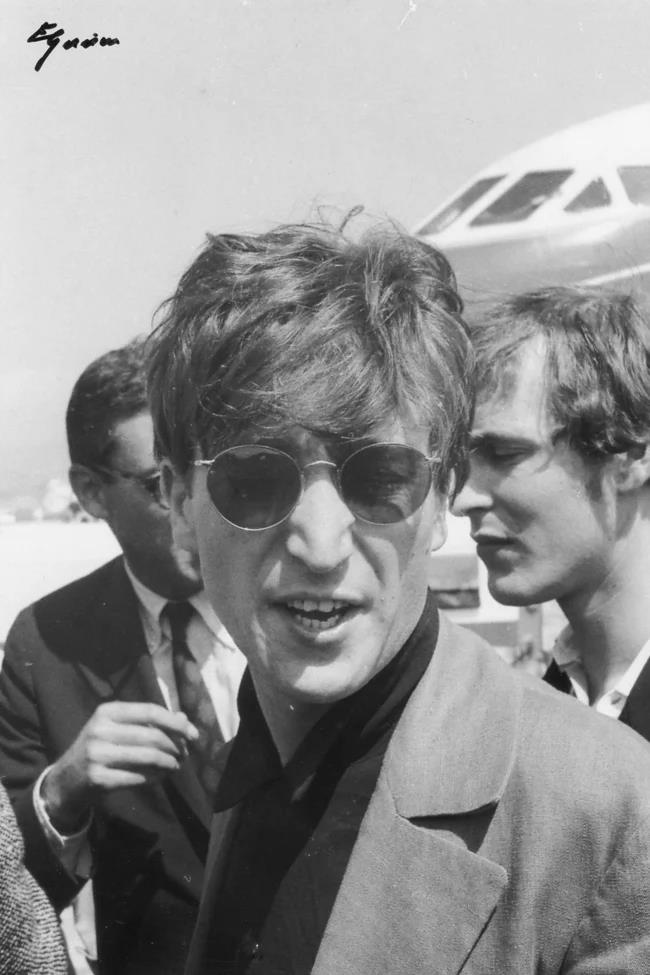
"A lot has been said about the iconic Pez Espada hotel or the Pasaje Begoña, but the music and counterculture of that era is untouched," explains the journalist who recently retired from Canal Sur. Bellido is already in the middle of filming after decades with this project echoing in the loudspeakers of his head. Even before becoming a journalist and meeting many of the protagonists of that prodigious decade face to face, he already knew about the myth of Malaga. “I’m from Montilla, and my father told me that he once ran away to the town in the 1960s. Torremolinos was seen as a place of perdition,” the debut director says.
The documentary sets out to relive the legendary nightlife, starting with its venues, nightclubs, bars and discotheques. From mythical dance floors, such as Tiffany's or Barbarella, to the VIP Club, Pedro's, or the Top Ten, where there were live performances every night. "But at the same time, I want to make a human portrait of its protagonists, those young people who wanted to change the world and have fun playing their favourite songs," Bellido explains.
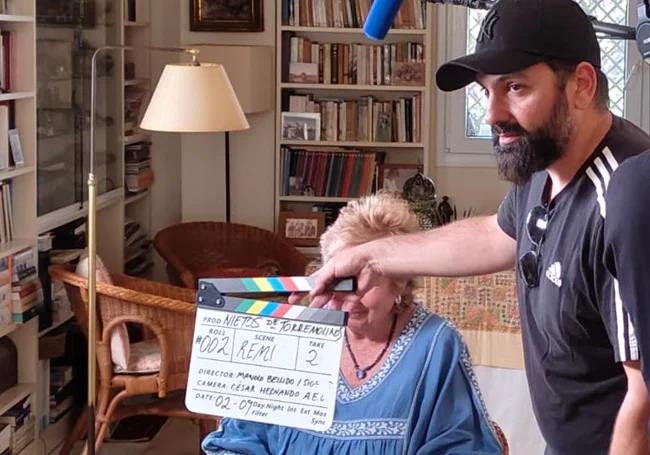
SUR's visit to the filming, which began last Monday, confirms the human touch that the documentary is looking for. The crew of 'Nietos de Torremolinos' has taken over the Torremolinos home of Remi Fernández Campoy, the owner of Misol records, to recover the history of this temple of vinyl in Calle San Miguel. Since 1963, this shop was an unavoidable stop for anyone who wanted to be up to date. "When we opened, the song in fashion was 'Cuando Calienta el Sol', but soon people started to come from all over Andalucía, many of them bohemians and artists, because we imported music and sold records by The Beatles and The Rolling Stones," says this music lover, who, without being asked, brings up the eternal rock dispute: "I’m more of a Stones fan."
The clothes and the music
Remi's words on camera help Bellido to point out that things were different in Torremolinos. "Unlike big capitals like Madrid, Zaragoza and Seville, where rock 'n' roll came in through the American bases, on the Costa del Sol it didn't come in through the military, but through the tourists... it was all more civilised and natural," she says with a smile. "Besides, there were fashion shops that you couldn't find on the Gran Vía and there were records that hadn't been released in Spain yet, so people came here to buy clothes and music," adds the director, who will portray the appearance of local groups such as Los Iberos, Los Gritos, Los Buitres and Los Ángeles, and that international atmosphere so typical of the Costa del Sol thanks to the colony of foreigners.
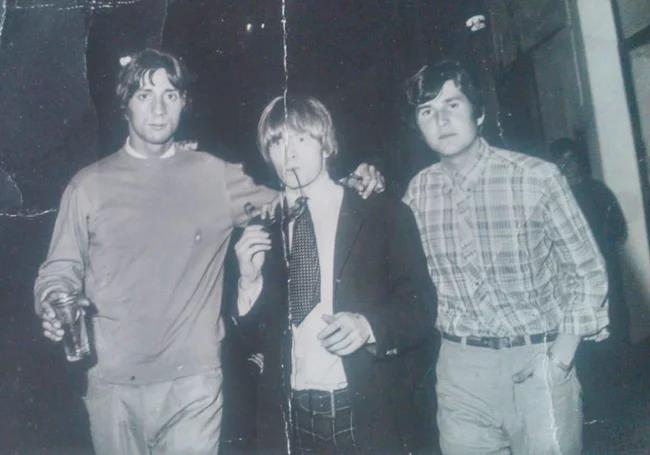
"John Lennon himself, when he thought about his holidays after his first success, came to Torremolinos with his manager, Brian Epstein," the journalist points out. That was in 1963, the same year that you could buy his imported records in Misol. The documentary will portray this foreign influence that blended to such an extent with the Malaga character that many of those legendary musicians repeated summer after summer, or ended up staying indefinitely by the beach. There are the Rolling Stones, with Keith Richards stealing the girlfriend of his bandmate Brian Jones; or the moves to the south of Mike Vernon, producer of David Bowie and Eric Clapton; and Rick Parfitt, guitarist of Status Quo.
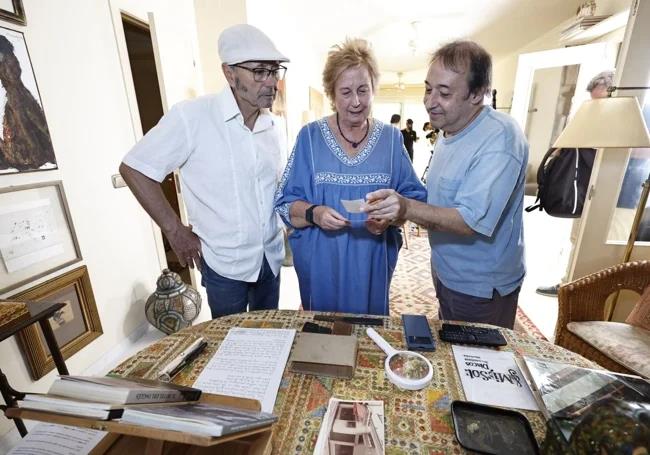
With the support of Canal Sur, the Diputación de Málaga provincial authority and Torremolinos town hall, filming will continue over the next few weeks in Malaga, Granada, Seville, Cadiz and Madrid, where the protagonists of the period will bring to life this story. This is a documentary for which Bellido confesses to being a beginner, so he has surrounded himself with a prestige team: the filmmaker Sigfrid Monleon, the director of photography César Hernando, the producer Antonio Hens and singer Javier Ojeda, leader of Danza Invisible and author of the book, Una historia del pop malagueño 1960-2009 (history of Malaga pop music). "I'm just an assistant," says Ojeda, leaving all the credit for the film to Bellido. A project in which the musician has enrolled for the same reason he wrote his pop volume. "We Malagueños have a poor memory of our elders, and that music has to be reclaimed."
![[]](http://static.vocstatic.com/voc26/latest/assets/images/favicon/surinenglish/apple-touch-icon-57x57.png)