
Agriculture
The dreaded effects of downy mildew on Malaga's grapes and an explanation of the 'three tens rule'
The province's vineyards are facing one of their toughest harvests due to the presence of this fungus

Malaga
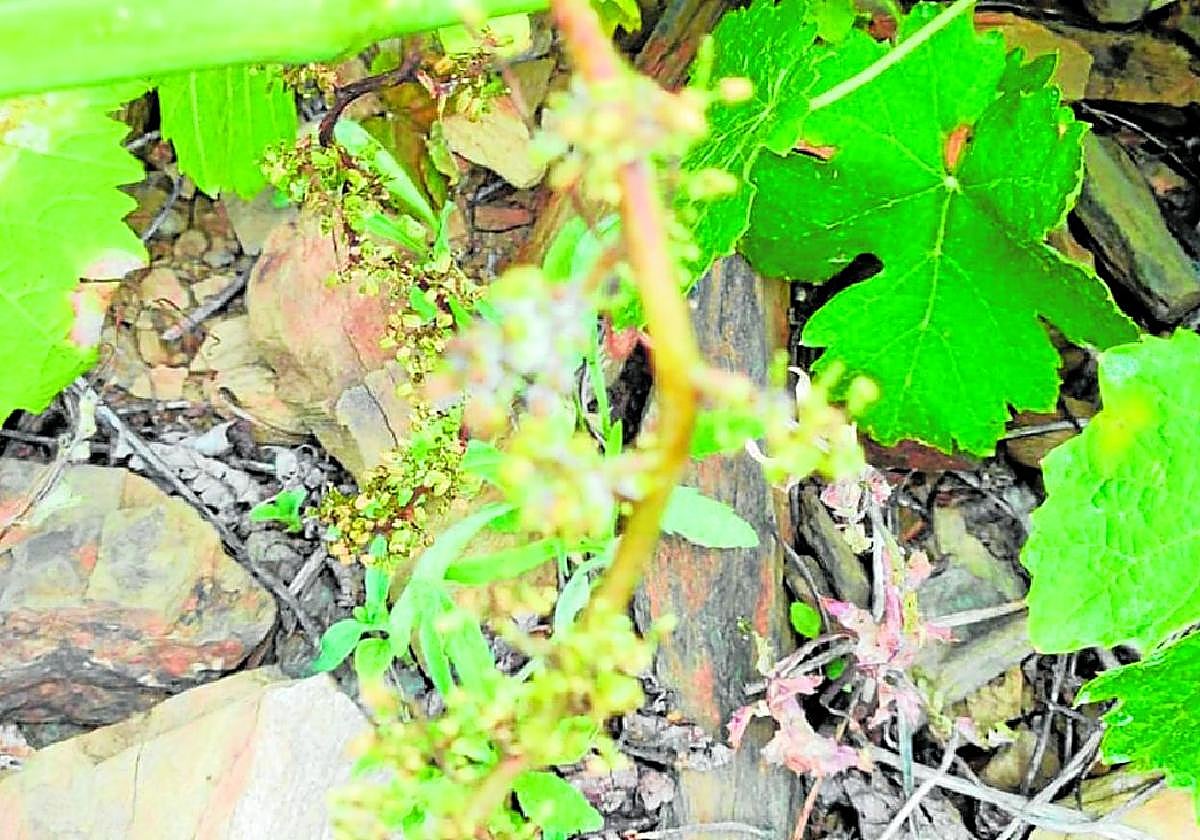
The negative effects of the abundant rainfall this spring and the ensuing humidity, to which the Malaga countryside is no longer accustomed, has led to the appearance on the scene of one of the fungi most feared by vineyard owners, downy mildew (Plasmopara viticola). It is expected to have devastating consequences for thousands of people who work in the sector in Malaga province and other areas of Andalucía.
Concerns were already being raised before the start of summer a according to the Malaga, Sierras de Malaga and Raisins of Malaga designations of origin regulatory council, the mildew could reduce the next harvest, which in Malaga should start between the end of July and the beginning of August, by up to eighty percent.
Like other pests, mildew knows no geographical boundaries. Previously, alarm had already been raised about the presence of this fungus in Montilla-Moriles, Jerez and Condado de Huelva vineyards.
For the moment, the most affected areas in Malaga province are Manilva and the Axarquía
The control board is in contact with vine growers and wineries, gathering and analysing information by zones. The first estimates show a map of irregular damage in terms of extent and intensity.
In the case of the western Costa del Sol, in Manilva, the penetration of the disease is very extensive, with estimated losses of approximately 80% of the crop.
On the other hand, in the Axarquía to the east of the province, although there is a large area with affected leaves, a much smaller crop loss of between five and 30% is estimated. In the western part, however, losses of up to 80% are reported.
In the case of the Antequera region, for the moment, 70% of the plant area shows signs of the fungus, although the effect on the harvest is yet to be determined.
Finally, in the Serranía de Ronda, both the level of detection of the presence of the fungus and its incidence on the crop are, for the moment, estimated to be very low.
It is very difficult to combat, but it can be prevented
The disparity of incidence in the vineyard reflects the diversity and complexity of the different parts of the province that make up the production area, both in terms of climate, with different temperature and humidity regimes and in terms of growing conditions, which determine the potential risk of disease development and the response to its appearance.
The most effective protection strategy is prevention, through the monitoring of environmental parameters and the presence of signs of primary infections on the plant, which occur in spring, when what is known as the "three tens rule" occurs: temperatures above 10C, rainfall above 10 mm and the vine buds are between 10 and 14 centimetres.
It is crucial that winegrowers have access to this information in order to be able to apply appropriate control strategies against the fungus.
At the moment, although the current environmental conditions and the weather forecast are not favourable for the spread of the disease, it continues to affect the plant, so strict vigilance is needed to try to limit the damage caused, which is now irreversible.
Although it can affect the whole plant, downy mildew is particularly noticeable on the leaves, where light greenish spots can be seen, which turn yellowish before turning brown. A grey fuzz may also appear on the underside of the leaf and eventually this can lead to all the leaves drying out completely and falling off. It is a very difficult pest to combat once it starts, although it can be prevented to some extent in winter.
![[]](http://static.vocstatic.com/voc26/latest/assets/images/favicon/surinenglish/apple-touch-icon-57x57.png)