
Housing
Housing construction drops by 47% in Malaga city, with no subsidised units
The increase in the production of new homes slackens in the province as well, where only 3.7% are subsidised flats

Málaga
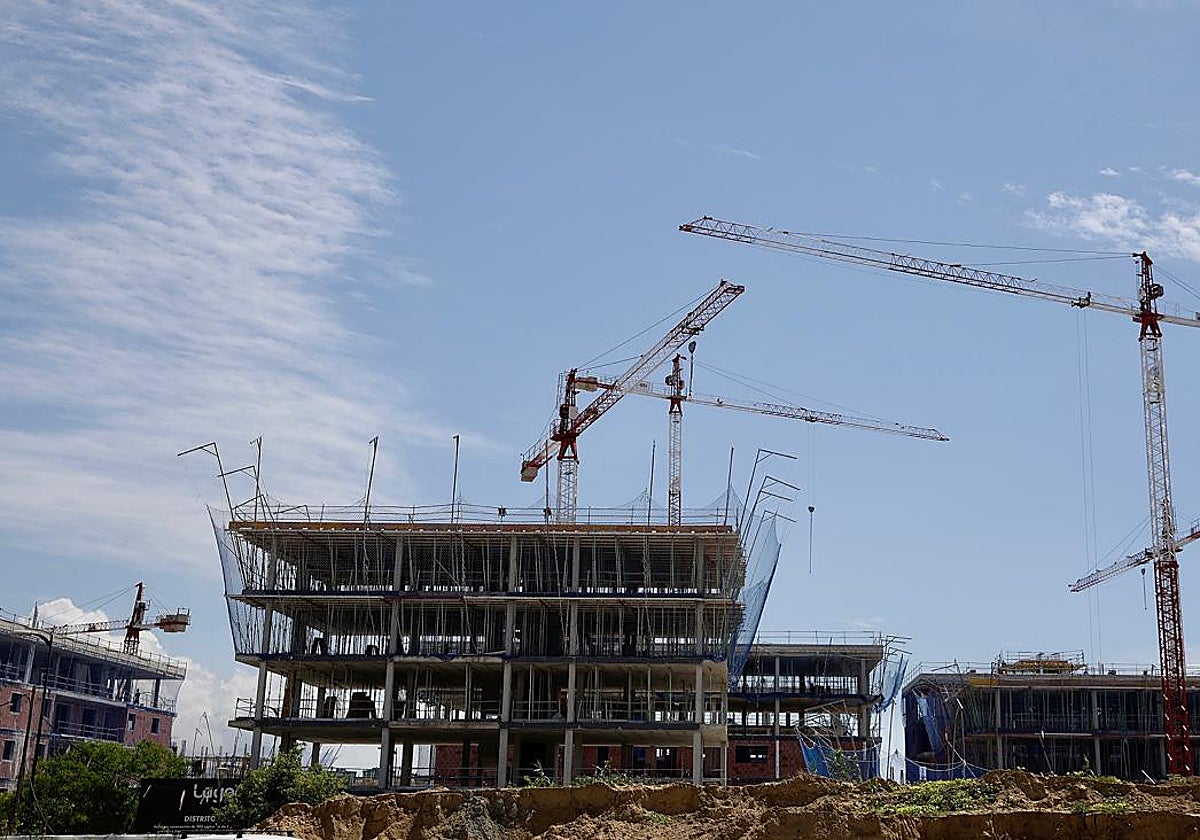
Housebuilding in Malaga province keeps growing, but there are evident signs of strain. Data from the association of architects shows a sharp slowdown in momentum, with construction in Malaga city slumping by almost half in 2025. What's more, there was not a single subsidised housing project approved in the city last year.
After the decline recorded in 2023, housing construction grew in the province, although at a slower pace. To compare, between 2024 and 2025, construction grew by 6.4%, while between 2023 and 2024 it hit an increase of 27%.
A total of 9,475 housing units were planned for the province in 2025; 8,902 in 2024; 6,979 in 2023. While numbers are growing, the rate at which they do so is slower.
Last year, 1,950 homes were approved in Malaga city. None of them were protected subsidised homes. In 2024, 2,875 homes were planned (+47% compared to last year), of which 629 were subsidised.
The rate in Marbella is more or less stable, with just over 600 new homes.
Subsidised housing accounts for a small part of construction, 3.7% in 2025. Only 335 subsidised units were approved for the province, including three projects in Marbella, Rincón de la Victoria and Algarrobo.
"I wish they were 30%, as is the case with new developments, but they don't even reach 5%," dean of the association of architects Susana Gómez de Lara says.
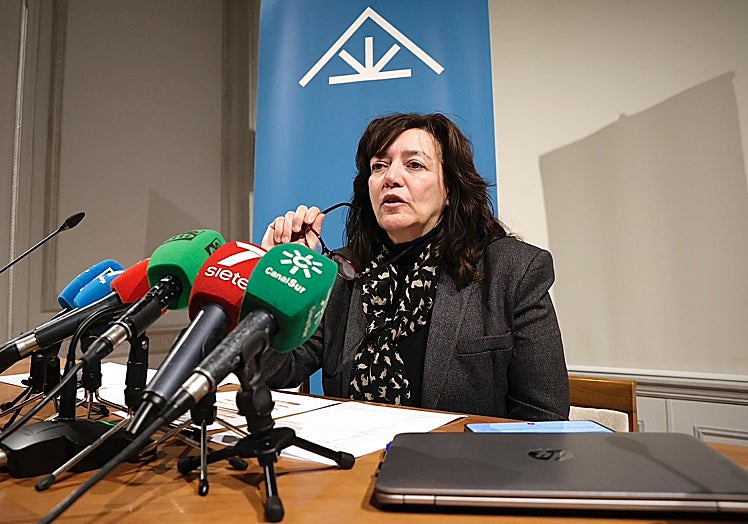
Gómez de Lara points out that the rate of construction "falls short of the demand for housing", both in Malaga city and the province. She calls for institutional support in light of the widening gap between supply and demand for affordable, subsidised homes.
"No matter how many new laws are passed, if there is no institutional collaboration, we are not going to make progress," she says. The architects' dean also believes in the importance of "making progress in urban regeneration and improving vulnerable areas".
She admits that housing production has returned to pre-pandemic levels. Gómez de Lara celebrates the efforts that several municipalities, including Malaga city, have put into adapting to the Andalusian urban planning law.
The new regulation promotes more compact cities with higher-density housing and taller new buildings. While welcoming it, Gómez de Lara calls for caution, because "overly compact cities put public services under strain". "Everything has to be kept in proper proportion so as not to disrupt the functioning of the city," she says.
Streamlining procedures to make more land available for construction
The dean also urges institutions to speed up procedures so that available plots of land can be made ready for construction more quickly.
Malaga city has introduced a new licensing bylaw enabling professional associations to take on part of the work normally carried out by municipal technicians, acting as certifying bodies in return for a fee paid by applicants.
The dean believes that the association of architects will be able to provide this service to individuals and companies "in one or two months". In fact, she says that they already have some projects to be analysed as a pilot experience.
According to Gómez de Lara, the "sustained" growth in the real estate market is a "good sign". "We hope that subsidised housing numbers will improve and that more affordable flats will be built," she states.
![[]](http://static.vocstatic.com/voc26/latest/assets/images/favicon/surinenglish/apple-touch-icon-57x57.png)