
Health
Malaga health: 11,000 people will be diagnosed with cancer in 2026
Survival has doubled in the past four decades, but now the great challenge is to provide adequate care for those with chronic diagnoses and additional diseases due to advanced age
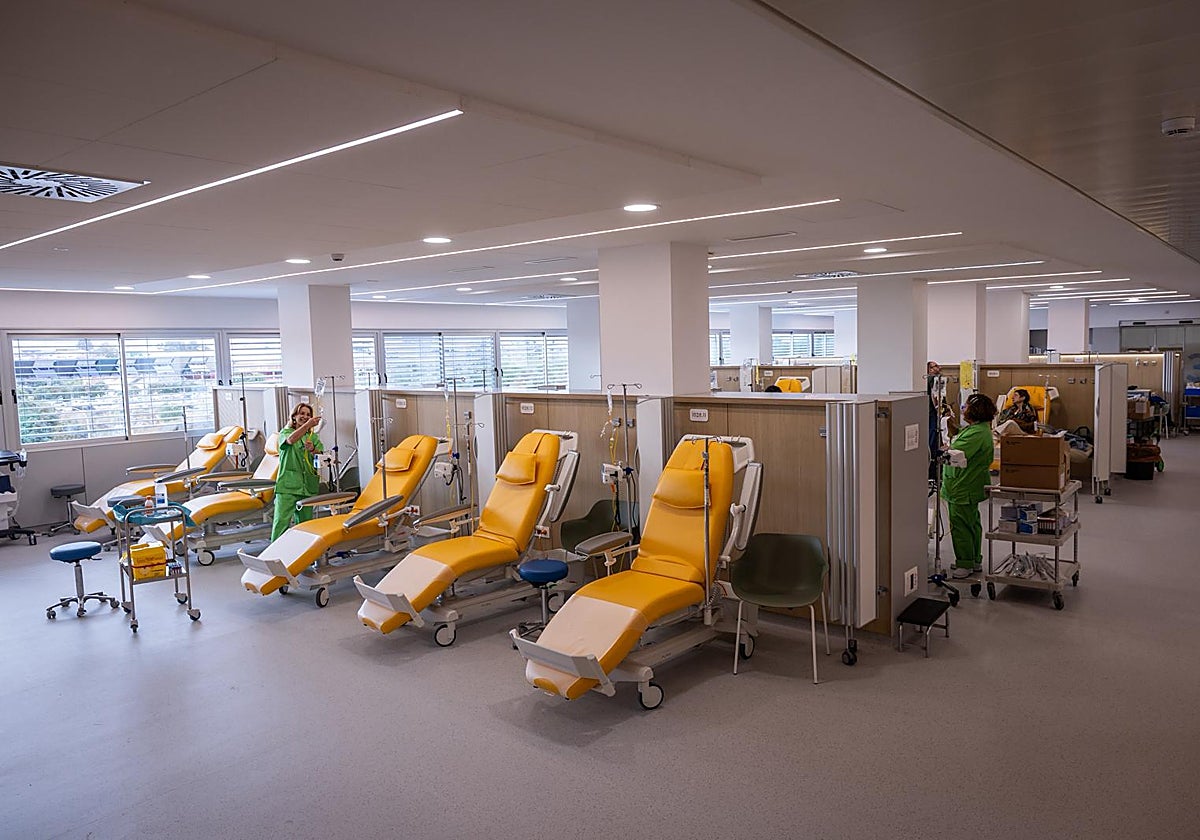

Spain is expected to see nearly 302,000 new cancer cases in 2026, a 2% increase compared to 2025, marking a historic peak in annual incidence, according to the Andalusian Society of Medical Oncology (Saom).
The rise reflects demographic shifts and improvements in early detection. In Andalucía, around 52,000 people will be diagnosed, while Malaga is projected to record 11,000 new cases, a 2.8% increase on 2025.
Saom attributes this growth to population ageing, longer life expectancy, ongoing exposure to known risk factors and advances in screening programmes that detect more treatable cases.
In other words, the increase in diagnoses is largely due to population growth, particularly in Malaga, which is expected to reach two million residents by 2030, and longer life expectancy, which leads to more cases being detected.
Taking World Cancer Day (4 February) to its advantage, Saom highlights progress in treatment and the ongoing need to strengthen prevention, early diagnosis and equitable access to diagnostic and therapeutic resources.
The Saom estimates appear in the report 'Cancer Figures in Spain 2026'.
The most commonly diagnosed tumours in 2026 will be colon, rectum, breast and lung, followed by prostate and urinary bladder cancers
The most frequently diagnosed cancers in 2026 are expected to be colon, rectal, breas and lung, followed by prostate and bladder cancers in both men and women. This underscores the importance of targeted screening programmes and prevention strategies for these tumour types.
More cases in young adults
Cancer diagnoses are also increasing among young adults aged 20-39, with over 8,000 new cases in Andalucía, particularly breast and thyroid cancers.
Experts estimate that a third of cancers could be prevented through lifestyle changes: quitting smoking, reducing alcohol intake, maintaining a healthy diet and weight, exercising regularly and vaccination against cancer-causing agents such as human papillomavirus. Physical activity alone can reduce cancer risk by up to 30% and cancer-specific mortality by around 20%, while also improving patients' quality of life during and after treatment.
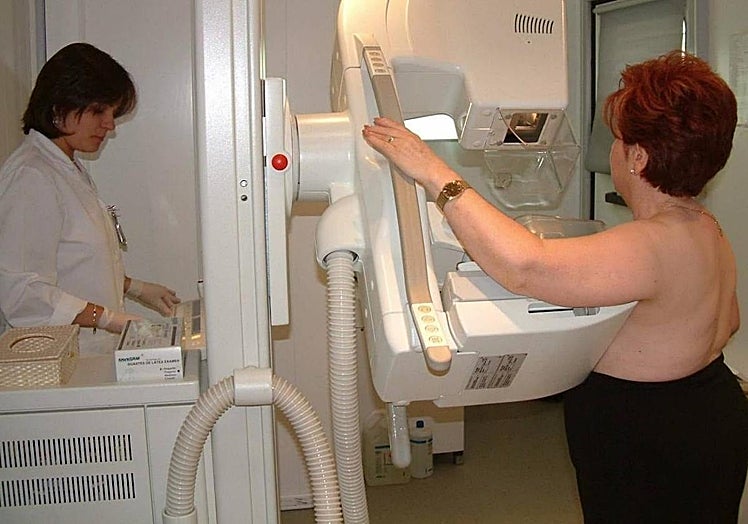
Primary prevention is complemented by secondary prevention through early detection programmes. Breast, colorectal and cervical cancer screening programmes significantly reduce disease-specific mortality when implemented effectively and with high participation, highlighting the importance of attending screening invitations.
Survival rates continue rising
Survival rates have doubled over the past four decades. In Spain, five-year survival now exceeds 57.4% in men and 65.2% in women (patients diagnosed between 2013 and 2017). The population of long-term survivors (those who live with or beyond cancer) is steadily increasing.
Survival has doubled in the last four decades: in Spain it is over 57.4% in men and 65.2% in women five years after diagnosis
Dr Javier Díaz Santos, head of the Medical oncology unit at HM Hospitales in Malaga, says: "There will be more oncology patients, not so much because incidence is rising, but because people are living longer. Survival increases, so prevalence rises: people already diagnosed are living longer alongside new diagnoses. Cancer is increasingly a public health issue, not just because more cases are detected, but because more people live with it for longer."
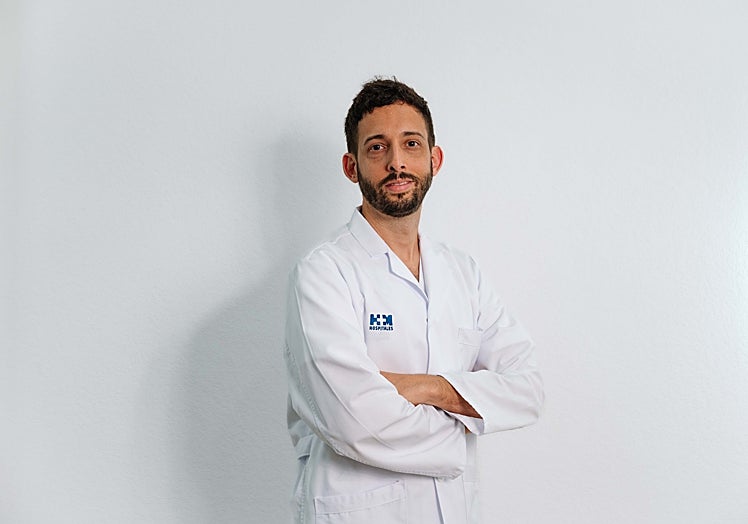
"When I was doing my residency, not that long ago, thinking that a patient with metastatic colon cancer could have their disease controlled for more than 40 months was science fiction. But with new treatments, such as monotherapy, around 40% of patients with unstable metastatic colon cancer now have their disease controlled for over 40 months. That's nearly four years with the disease under control. This means the number of oncology patients is steadily increasing, making cancer a public health issue that will require us to change how we approach it," he says.
Dr Díaz Santos adds that while we still need to address the acute phase of the disease at the outset, we also have to manage cancer in patients whose disease has become chronic, because they will have specific, ongoing needs.
Patients whose cancer becomes chronic, the great responders, are going to live longer and will need multidisciplinary units adapted to them, as they will add the pathologies of age to the tumour.
Studies show that this group faces physical, psychological, social and economic needs that are not always met by healthcare systems, such as difficulties with returning to work or ongoing care for late treatment side effects. This requires close coordination between primary care, oncology and other specialties.
The Sas, according to the Saom, has been a pioneer in developing a multidisciplinary follow-up protocol for long-term survivors, involving both residents and oncology care experts. The protocol addresses the management of late side effects, complex clinical follow-up needs, psychosocial support and reintegration into the workforce. The challenge is to implement it effectively.
Andalucía is the third region, after Catalonia and Madrid, with the highest number of active clinical trials (around 250) focused on the most common tumours: thoracic, breast and digestive. These trials explore new treatment options and improved early diagnostic tools using biomarkers, genomics, artificial intelligence in early detection and more.
Precision medicine
Saom highlights precision medicine as a strategic priority, allowing diagnosis and treatment based on the molecular profile of each tumour. Clinical approaches include genomic analysis and biomarker identification, which improve survival and quality of life by guiding more effective and less toxic therapies.
"Precision medicine has emerged as a cornerstone of modern oncology," Saom President Dr Jesús Corral says. "It identifies biomarkers that guide personalised treatment choices, increasing efficacy and reducing side effects compared with standard therapies."
Sequencing
Dr Díaz Santos says that metastatic patients should have their tumours sequenced to identify genomic alterations and potential targeted therapies. He highlights the importance of timely sequencing, participation in national and international trial networks and starting highly effective treatments early, which minimises side effects and maximises long-term survival.
"That every patient who is metastatic should have their tumour sequenced, the genomic alteration of their tumour should be seen in a reasonable time, that this study should not take six or twelve months, and that in addition with these mutations we can participate in collaboration networks, both national and international, to get patients into the clinical trials that we consider most appropriate," says Dr. Díaz Santos, who stresses that if a highly effective treatment is started at an early stage, "we ensure that the patient has fewer side effects, fewer comorbidities and perhaps, if they are lucky enough to be a great responder, we ensure that they live a long time with few sequelae".
The doctor reminds us that cancer is a reality and we need to continue investing in new treatments and in the prevention of early diagnosis, "because most cancers in their early stages can be cured".
![[]](http://static.vocstatic.com/voc26/latest/assets/images/favicon/surinenglish/apple-touch-icon-57x57.png)