
History
The day they hid a saint in a Serranía de Ronda village and it resulted in a hermitage being built
During the Spanish Civil War, two residents of Pujerra hid the religious icon to save it from possible destruction, an act of faith that, years later, led to the construction of a chapel there

Ronda
They were turbulent times, when religious images could be destroyed or burned out of fear, revenge or simply mob fury. Both in the years before and during the Spanish Civil War, there were numerous cases across the country where valuable sculptures of saints or virgins disappeared or were badly damaged. Nevertheless, there are notable exceptions, such as the story of the village of Pujerra, where two local residents did everything they could to save San Antonio de Padua, the village's patron saint.
The two men were Antonio Chicón Mena and Benito Guerrero Calvente, who decided to act out of devotion and respect for their patron saint. According to local lore in this village in the Genal valley near Ronda, they were aware that, if they did nothing, the statue of San Antonio de Padua could suffer the same fate as so many other religious artefacts. So, under cover of night, they hid it on farmland, concealed under large pieces of cork, in a secluded spot known as Bentomí, about two kilometres from the heart of the village. No one else was in the know. That decision, which at the time was an act of protection, would end up marking the history of the village forever.
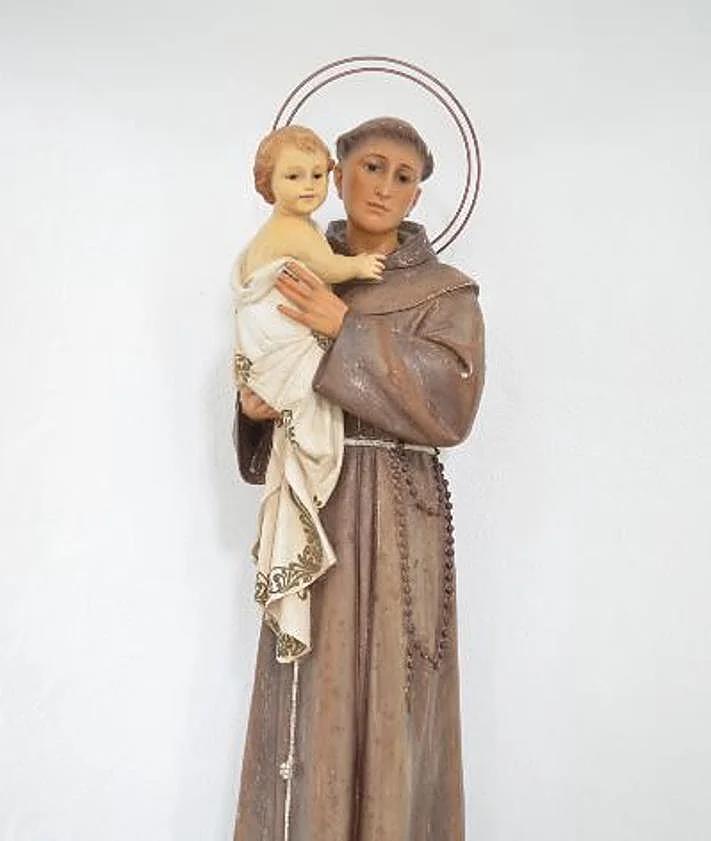
Years passed and, once the war was over, another local, José de Amalia, took it upon himself to recover the image. He carried it on foot to Cartajima for restoration, bearing the saint on his shoulders along the mountain trails. The journey, as the village elders still recount, was also a true act of faith. When St Anthony returned to Pujerra, the villagers were both thrilled and relieved that the image had survived and was back home where it belonged.
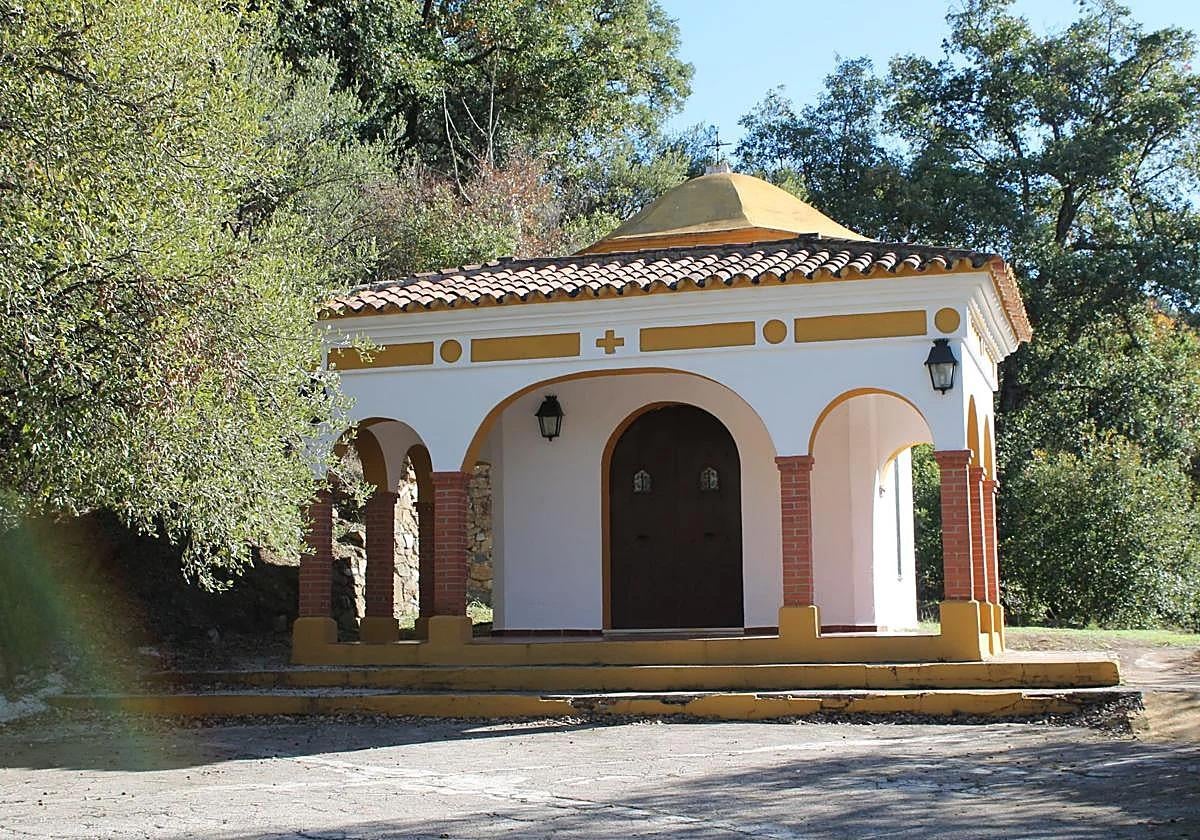
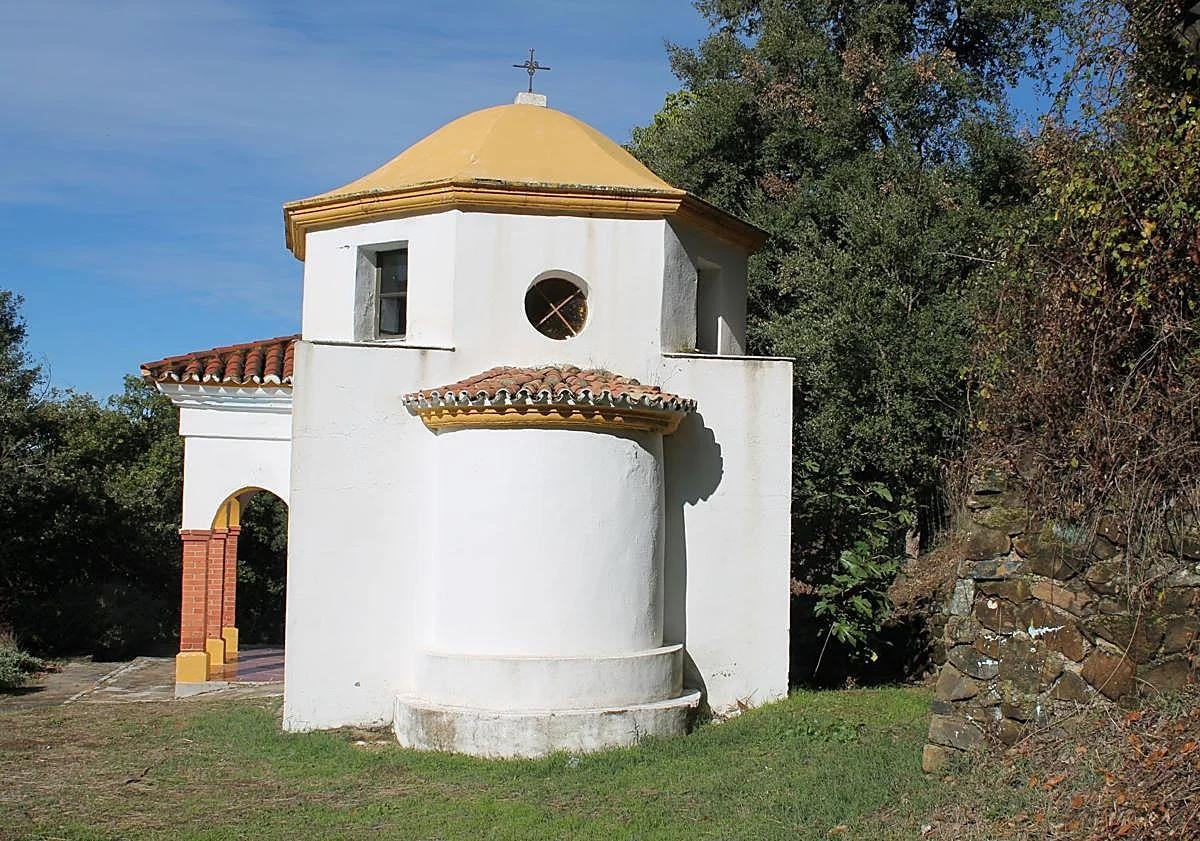
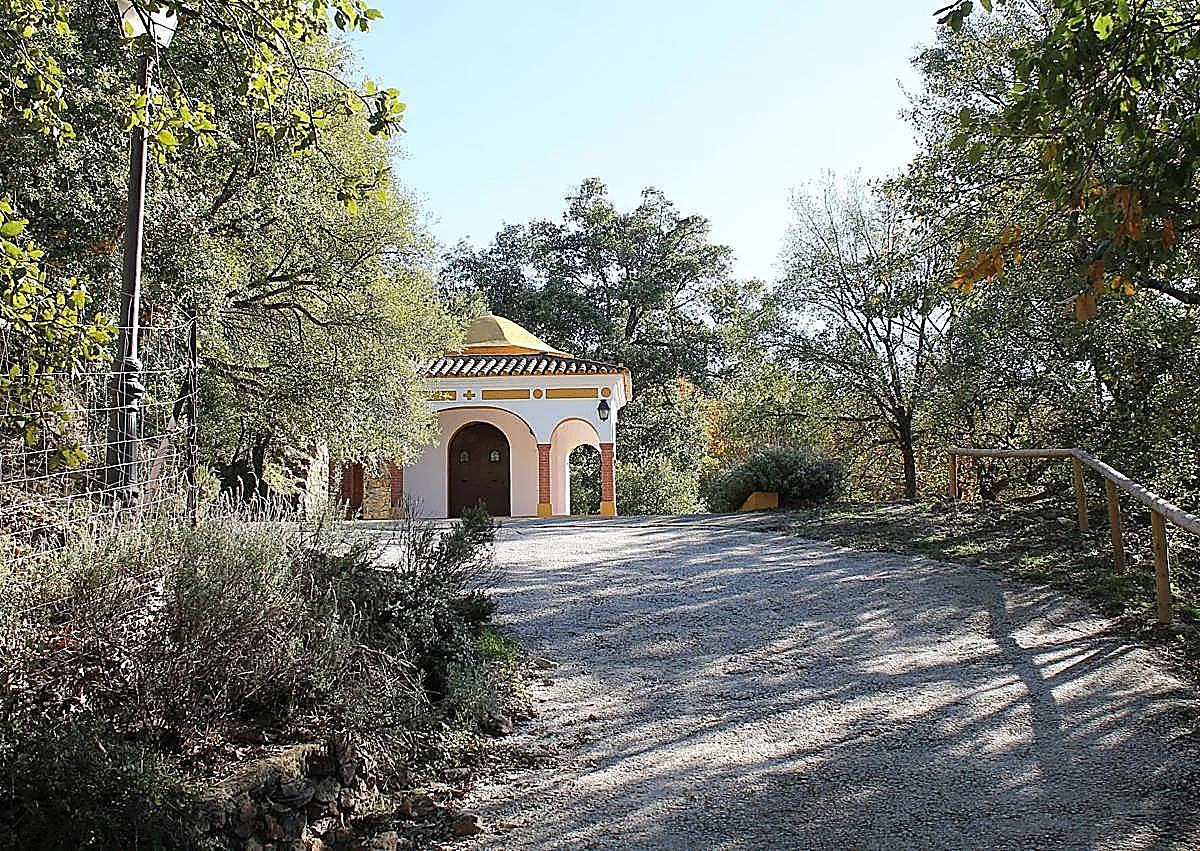
Decades later, with the arrival of democracy across Spain, the villagers wanted to pay homage to that event when the saint was hidden away. On the very spot where the saint was concealed, a small chapel was built: the hermitage of San Antonio de Padua, today one of the most iconic landmarks in the municipality.
It is located opposite the municipal swimming pool and on the edge of a nature spot that perfectly sums up the spirit of the village: humble, secluded and full of life.
The chapel, with its simple layout, connects with the history and emotions of those who took part in that curious chapter in Pujerra's history. Since its construction, the hermitage has become the centre of the patron saint's celebrations, especially during the summer, when the traditional pilgrimage of San Antonio takes place, in which the locals climb up to the sanctuary with flowers, songs and votive offerings.
Beyond its religious significance, this small building is also a symbol of resilience and memory. It represents how faith and unity can keep an identity alive even in the darkest times. Pujerra, like other villages in the Serranía de Ronda, suffered the effects of the conflict, but it was also able to overcome it with gestures like this, an act of faith that today is remembered with respect and pride.
Where is it?
Visitors to the shrine are often surprised to learn about its history. It is not a monumental church or an ancient sanctuary, but it is a place with soul. It is a peaceful place, where only birdsong and the rustling of autumn leaves can be heard. It is probably the same soundtrack that accompanied those two villagers when, on one dark night, they decided to save their patron saint by hiding him.
![[]](http://static.vocstatic.com/voc26/latest/assets/images/favicon/surinenglish/apple-touch-icon-57x57.png)