
Heritage
Prehistoric caves in 3D: La Pileta in the Serranía de Ronda comes back to life digitally
Researchers at the University of Seville have created a virtual model that allows for detailed exploration of prehistoric paintings and reliefs without the risk of damaging a legacy of more than 100,000 years

Benaoján
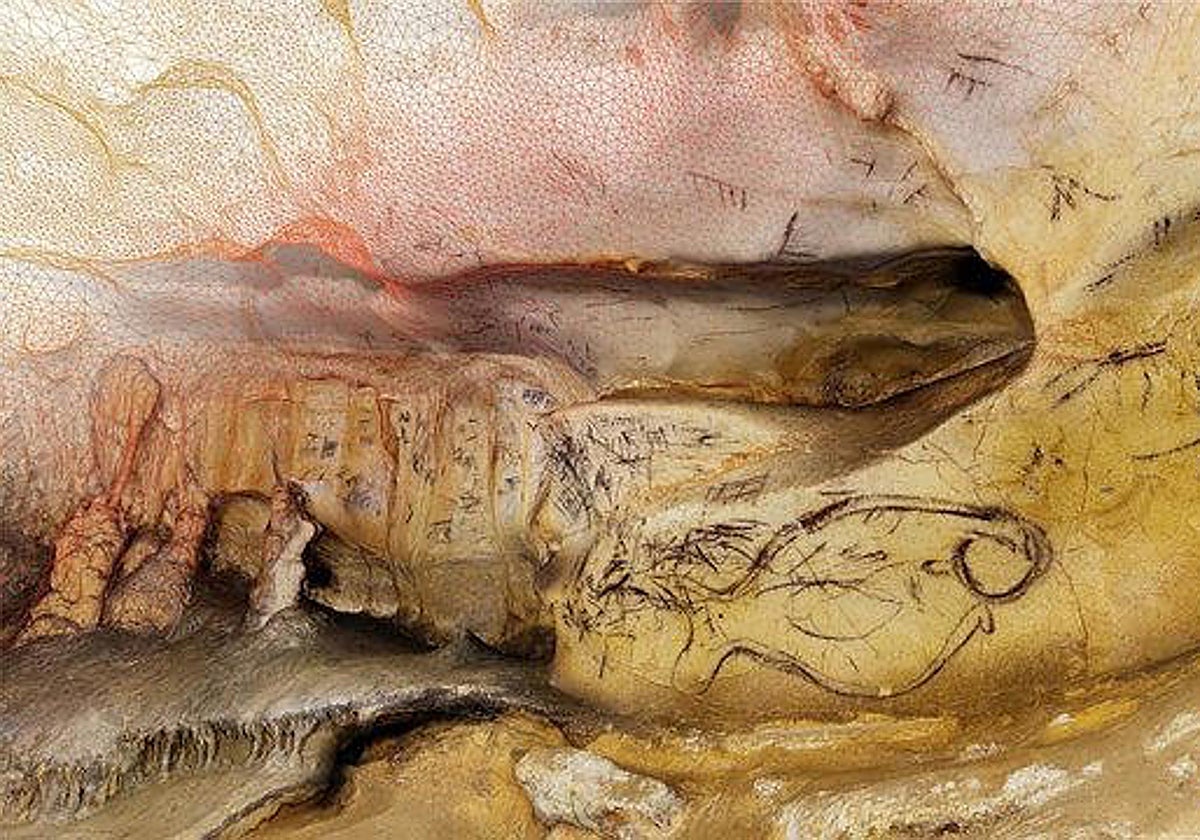
Visiting an ancient cave without getting mud on your boots or carrying a torch? It sounds impossible, but it is no longer so. A team from the University of Seville has managed to digitise in 3D the mythical La Pileta cave, located in the Malaga municipality of Benaoján in the Serranía de Ronda and considered one of the great temples of cave art in Europe. This jewel has been decreed a national monument since 1924. It can now be visited virtually thanks to a three-dimensional model that brings more than 100,000 years of history in to the present.
100,000
years of history
The secret of this breakthrough lies in the combination of two technologies that seem to be straight out of a futuristic film. On the one hand, the LiDAR of a smartphone, capable of scanning even the tightest and most inaccessible corners in great detail; on the other, a terrestrial laser scanner that offers millimetre accuracy and absolute reliability. Together, they have made it possible to create a virtual model so complete that even the textures of the rock seem palpable, as if one were walking through the cave in person.
La Pileta cave is not only notable for its technological value. In its depths are preserved thousands of graphic representations dating from the Upper Palaeolithic to the Bronze Age. Its walls are a veritable prehistoric comic strip where animals, human figures and enigmatic symbols narrate the life and beliefs of our ancestors. Among the most unique finds is a stone lamp with traces of grease - a tangible proof of how those early artists illuminated the space to leave their traces in the darkness.
Top-level resources
The 3D model is not just a technological whim: it is a first-class resource for archaeological research, heritage conservation and cultural dissemination. Thanks to this advance, experts will be able to study sites in greater detail without direct physical intervention, which will ensure preservation. It also opens the door to immersive experiences that allow the public to experience the thrill of being prehistoric explorers without leaving home or getting their hands dirty.
Experts will be able to study the sites in more detail without the need for physical intervention, which will ensure preservation
The results of this research have been published in the prestigious Journal of Archaeological Science, with the collaboration of researchers from other Spanish and Portuguese institutions. The work confirms that archaeology and technology form an essential alliance to protect, preserve and raise awareness of cultural heritage. Thanks to science, La Pileta cave is no longer just engraved in stone: it is also alive in 3D, ready to be explored and admired all over the world.
![[]](http://static.vocstatic.com/voc26/latest/assets/images/favicon/surinenglish/apple-touch-icon-57x57.png)