
Storm damage
Risk subsides as century-old, untested Montejaque dam works like clockwork
A coordinated effort by expert geophysics and emergency workers saw the all-clear given for most residents but officials urge caution
Chus Heredia
Malaga.
Life has been starting to get back to normal this week in the mountain villages of Malaga and neighbouring Cadiz province. It follows weeks of heavy rain culminating in the evacuation of residents in parts for fear of flooding and collapse.
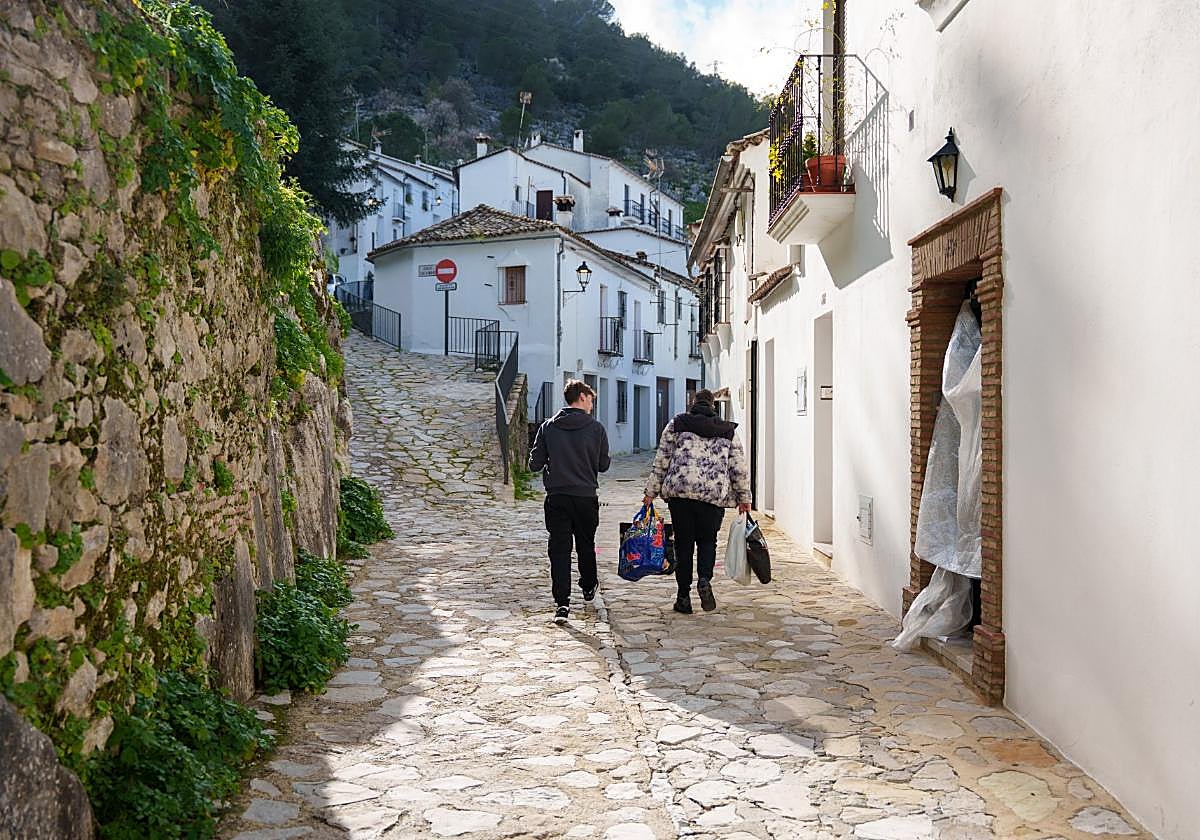
In the worst-affected place, Grazalema, in Cadiz province, the entire village had been emptied, with close to 2,000 residents split across neighbouring areas, including a large number sleeping in nearby Ronda. There was fear the saturated ground underneath could cause village homes to fall.
-
1,342 of the 1,619 properties in Grazalema were declared safe by engineers on Monday and residents were returning this week after 11 days away from their homes
On Monday this week, after eleven days away from their homes, residents of 1,342 properties in parts of Grazalema were given the green light to return after their homes were considered safe in engineering reports. This was "80 per cent of the residents of this municipality, practically the majority," said the Andalusian minister for emergencies, Antonio Sanz.
On Tuesday, a further 80 homes in the village were declared safe, out of a total of 1,619.
Montejaque fears
Also allowed back over the weekend were some 180 people who had been moved because of fears the disused Montejaque reservoir could flood their homes. In the end, the water that was siphoned off the dam, as expected, had not caused downstream flooding in Benaoján and Estación de Jimera de Líbar, in Malaga province.
Technical studies in Grazalema
Last Thursday a team of investigators from the Andalusian geophysics institute at the University of Granada travelled to Grazalema to carry out technical tests.
Using ground-penetrating radar scanning and electromagnetic profiles, their aim was to investigate the subsurface of the village's main streets.
Scientists from the disaster and emergency advisory group, part of Spain's CSIC national research council, had already been on site since 6 February.
These have been working continuously throughout the mountain area, with 14 engineers in the field and 34 giving back-office support.
The work has also involved drone patrols from the Andalusian emergency services carrying out reconnaissance flights in the affected areas, supported by environmental officers.
Joint effort bears fruit
This joint effort has been carried out to gather as much information as possible about the condition of the places most affected by the rains, landslides, earth movements and cracks, among other damage. All this technical study has borne fruit in the staggered and coordinated return of Grazalema residents after eleven days.
"It is true that it is no longer raining, but the risk still exists," Sanz, warned.
He explained that riverbeds and streams throughout Andalucía are currently at their most dangerous as they continue to channel runoff from the saturated ground.
The public is strictly prohibited from crossing riverbeds or waterways.
Caution still needed
Emergency-level operations in the Cadiz municipalities of Grazalema and Ubrique, as well as in Ronda (Malaga), the Guadalete in Jerez de la Frontera and Cortes de la Frontera, Jimera de Líbar and Benaoján in Malaga were continuing this week.
Sanz called for "caution, especially in the affected areas where the roads remain very difficult and extreme care is needed in riverbeds and streams."
On Friday last week, the Los Caballeros dam in Montejaque, near Ronda, reached the highest level in its history. Amid fears of an overflow in a piece of engineering that was never properly used due to a design fault, the water came within 22 centimetres of the top.
In the end, its hundred-year- old mechanisms - a system of ten siphons, of which eight were operating - activated perfectly. It had never been tested before because it is a system with no manual control device whatsoever - pure mechanics, pressure and suction.
The operation to stop the lake overflowing was carried out successfully; the Hundidero - Gato cave system, with its eight kilometres of underground chambers and galleries, fulfilled a role of absorbing outflow.
And the Guadiaro river the caves lead into did not go beyond yellow alert despite the rise in water level.
By Wednesday this week, the water in the lake had already fallen to 2.40 metres below the top of the dam, according to Montejaque mayor Diego Sánchez. He told SUR that many surrounding areas still presented a serious danger and described how the area had been cordoned off.
The Endesa electricity company, the dam's owner, has put guards in place from eight in the morning to eight in the evening to prevent any dangerous activity from walkers and onlookers.
The Los Caballeros dam in Montejaque was never brought into service as it was realised that the surrounding ground was too porous and water leaked out. This is the first time it has filled so much and some 180 people downstream in Jimera de Líbar and Benaoján were temporarily evacuated as a precaution.
![[]](http://static.vocstatic.com/voc26/latest/assets/images/favicon/surinenglish/apple-touch-icon-57x57.png)