
Health
Malaga researchers work on major blood test breakthrough to personalise cancer treatments
It is the only project from Andalucía to be selected for funding under the CaixaImpulse Innovation programme and it will allow oncologists to predict which patients will respond best to different therapies

Malaga
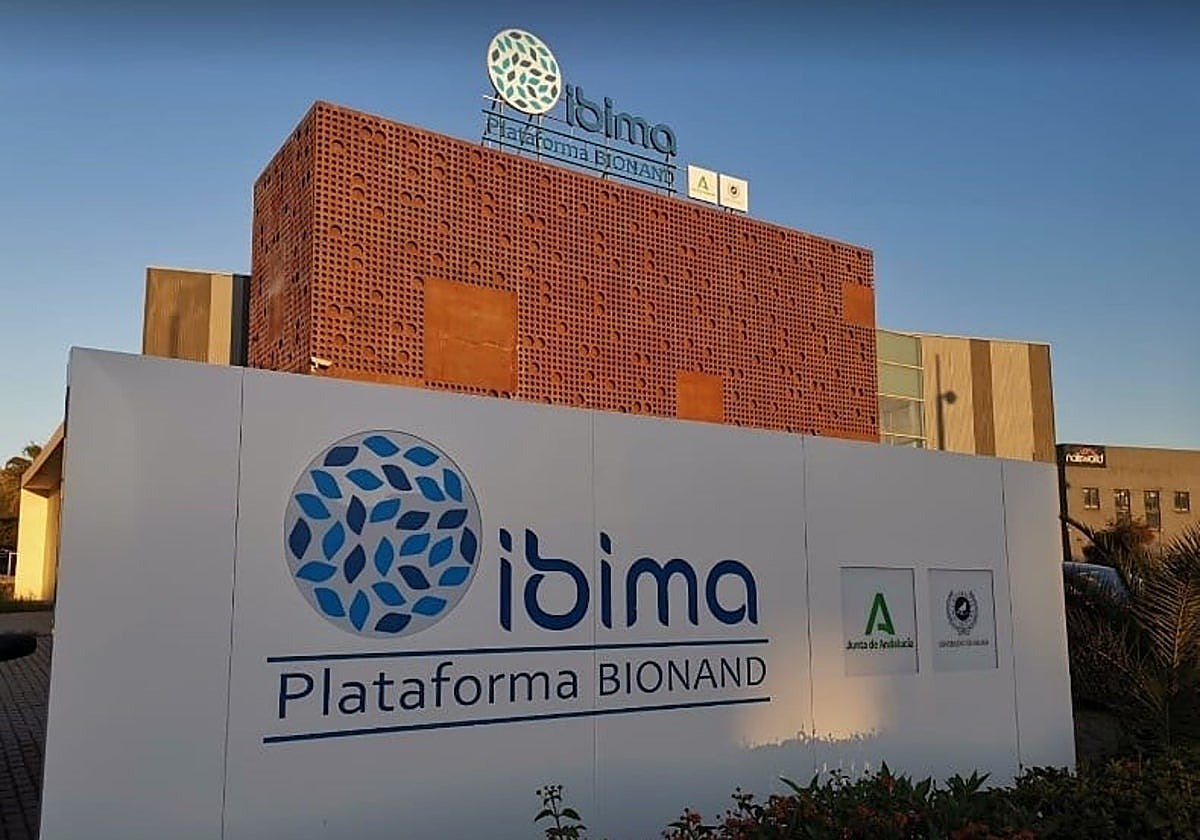
Researchers at Malaga's biomedical research institute and nanomedicine platform (Ibima-Plataforma Bionand) are working on the development of a non-invasive blood test that can predict which cancer patients will respond best to immunotherapy, targeted radiation therapy or a combination of both, thereby identifying immunological and tumour patterns.
This breakthrough, according to the Ibima research unit, will represent a decisive step toward personalised cancer treatment, as it will make it possible to avoid ineffective therapies, extend the clinical benefits of immunotherapy and reduce side effects, while increasing the chances of success in complex situations such as those faced by metastatic cancer.
As Dr Isabel Barragán Mallofret, co-principal researcher with the Ibima institute's cancer immunotherapy and epigenetics group, pointed out, the aim "is to offer each person the most appropriate therapeutic option from the outset, saving time, costs and, above all, suffering. This tool could mark a turning point in the personalisation of cancer treatment."
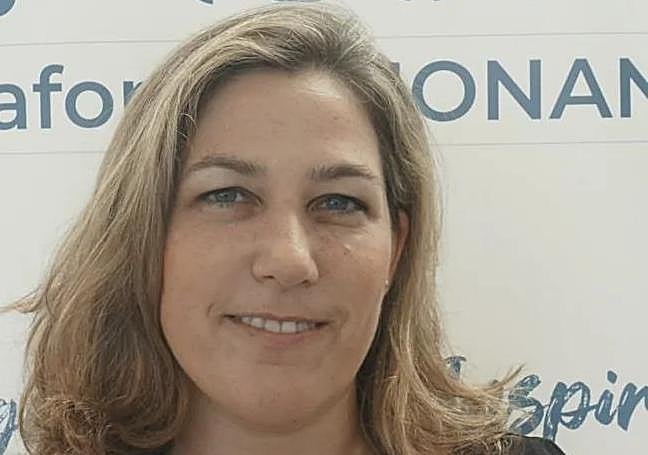
The project also involves the medical oncologist and principal researcher with the same group, Antonio Rueda, who works at the Hospital Universitario Virgen de la Victoria in Malaga. The project was selected in the 2025 call for research proposals from the CaixaImpulse Innovation programme, making this the only Andalusian study to receive funding in this round. La Caixa Foundation has allocated 3.8 million euros to 31 research projects across Spain and Portugal, selected from among 428 international applications, in one of the most competitive calls in this field. Specifically, this Malaga team of researchers were awarded 145,200 euros.
The challenge of immunotherapy
Immunotherapy has revolutionised oncology by stimulating the body's defences against cancer, but the reality is that most patients do not respond to this type of drug treatment. In some cases, combining it with radiotherapy can increase the efficacy of immunotherapy and extend its clinical benefit without adding significant adverse effects, although it remains difficult to predict in advance which patients will truly benefit. This, in turn, hinders wider adoption of this innovative, therapeutic approach.
The blood test developed in Malaga is emerging as a simple, non-invasive tool with broad clinical applicability, which could accelerate the delivery of the most appropriate treatment for each cancer patient and therefore improve both their survival chances and quality of life.
"Blood testing can be a key tool"
Among the projects selected by CaixaImpulse in 2025 are innovations in early diagnosis of lung cancer, new cellular immunotherapies for childhood tumours and advanced RNA-based therapies for genetic diseases. In this context, the project led by Isabel Barragán is among the proposals with the greatest international reach to directly impact clinical oncology.
The scientific director of Ibima-Plataforma Bionand, Francisco J. Tinahones, stressed the following: "This project exemplifies the capacity of our research to make the leap from the laboratory to clinical practice. The blood test led by Dr Barragán can become a key tool for selecting the most effective treatment for each cancer patient, avoiding unnecessary therapies and increasing the chances of success. This is precisely the point of translational research: to improve people's lives through biomedical innovation."
![[]](http://static.vocstatic.com/voc26/latest/assets/images/favicon/surinenglish/apple-touch-icon-57x57.png)