
Crime
Organised crime's new strategies on the Costa del Sol: underage hitmen, military grade weapons and state-of-the-art drones
One of the most concerning developments is the hiring of younger individuals to execute the murders, as they often charge less. "They used to ask for 50 or 60,000 euros and now they do it for 20,000," a police investigator told SUR

Malaga
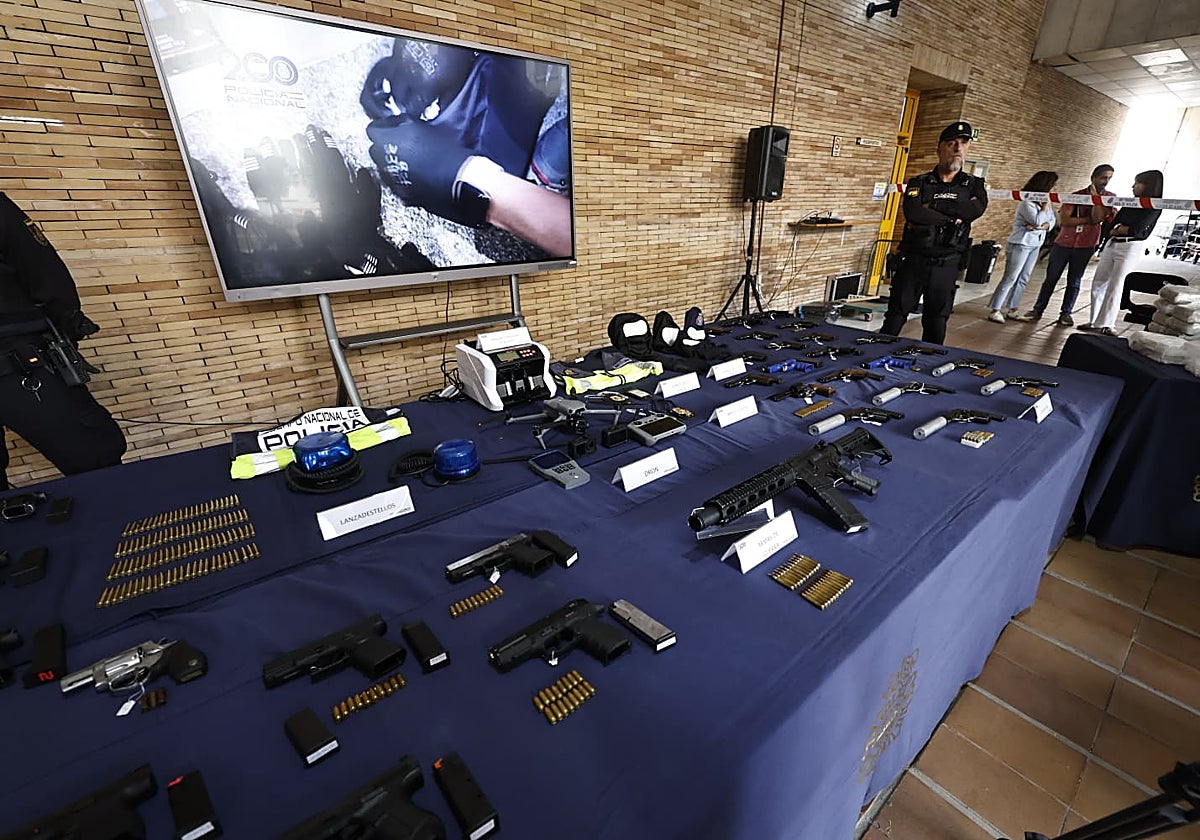
Police investigators on the Costa del Sol have upgraded their understanding of how organised crime works and how it has evolved. What the police have noticed is that criminal networks are increasingly hiring underage hitmen, mostly from Northern European countries and often unrelated to the organisation. In addition, the mafia are becoming wealthier thanks to drug-trafficking, which helps them invest in strengthening security measures through the purchase of military-grade weapons, state-of-the-art drones and frequency jammers.
One of the most concerning developments is the hiring of underage individuals to execute the murders, as they often charge less. "They used to ask for 50 or 60,000 euros and now they do it for 20,000," a police investigator told SUR . The mafia benefit from the minors' inexperience and lust for "violence". "They find it easier to pressure them into committing the act if they think about backing out and they don't hesitate to extort money from the target's family as well."
The latest death related to organised crime on the Costa del Sol happened on 3 October, when Swedish rapper Hamza Karimi (Hamko) was shot outside a Marbella club in Puerto Banús, while talking on the phone. The 25-year-old musician was killed in broad daylight.
A few months earlier, on 31 May, two men of Scottish origin, both in their 40s, were shot dead while watching the Champions League match between Paris Saint-Germain and Inter Milan in the outdoor area of a crowded bar in Fuengirola.
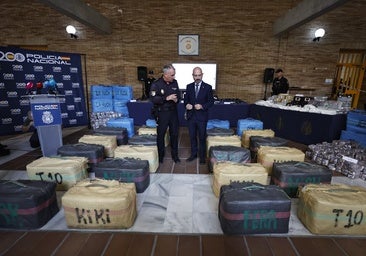
The hitmen hired for these murders are only the tip of the iceberg of the complex network that operates along the coast. Malaga province's location makes it the perfect station for drug-trafficking operations. The port, which receives ships from South America, has become one of the main gateways for cocaine, while the proximity to Morocco allows the entry of hashish and its subsequent distribution to the mainland, where it is sold at a higher price. In the last month alone, the National Police have seized nine tonnes of narcotics (hashish and cocaine) from criminal organisations in the province.
Related story
With the constant flow of drug money, the mafia can stock up on arms, from small arms and automatic rifles to military-grade weapons. In addition, they can increase security measures to avoid getting caught. They have started using encrypted applications, state-of-the-art drones for surveillance and counter-surveillance and frequency jammers that block tracing by the police.
Related story
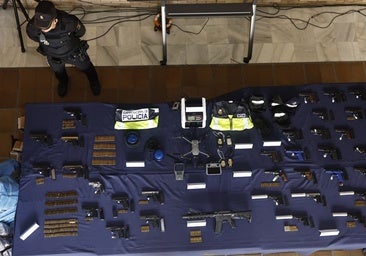
Their sophistication translates into long and arduous investigations. Nevertheless, police efforts end up bearing fruit. A total of 55 people have been arrested in recent months and the police have seized 37 firearms, 40 vehicles and more than 150,000 euros.
![[]](http://static.vocstatic.com/voc26/latest/assets/images/favicon/surinenglish/apple-touch-icon-57x57.png)