
Society
Trinidad finally gets home care assistance on the Costa del Sol after eight years of waiting
A week after SUR highlighted her case, the 99-year-old woman in Fuengirola is finally being assisted by a Junta de Andalucía care giver three hours a day

Fuengirola
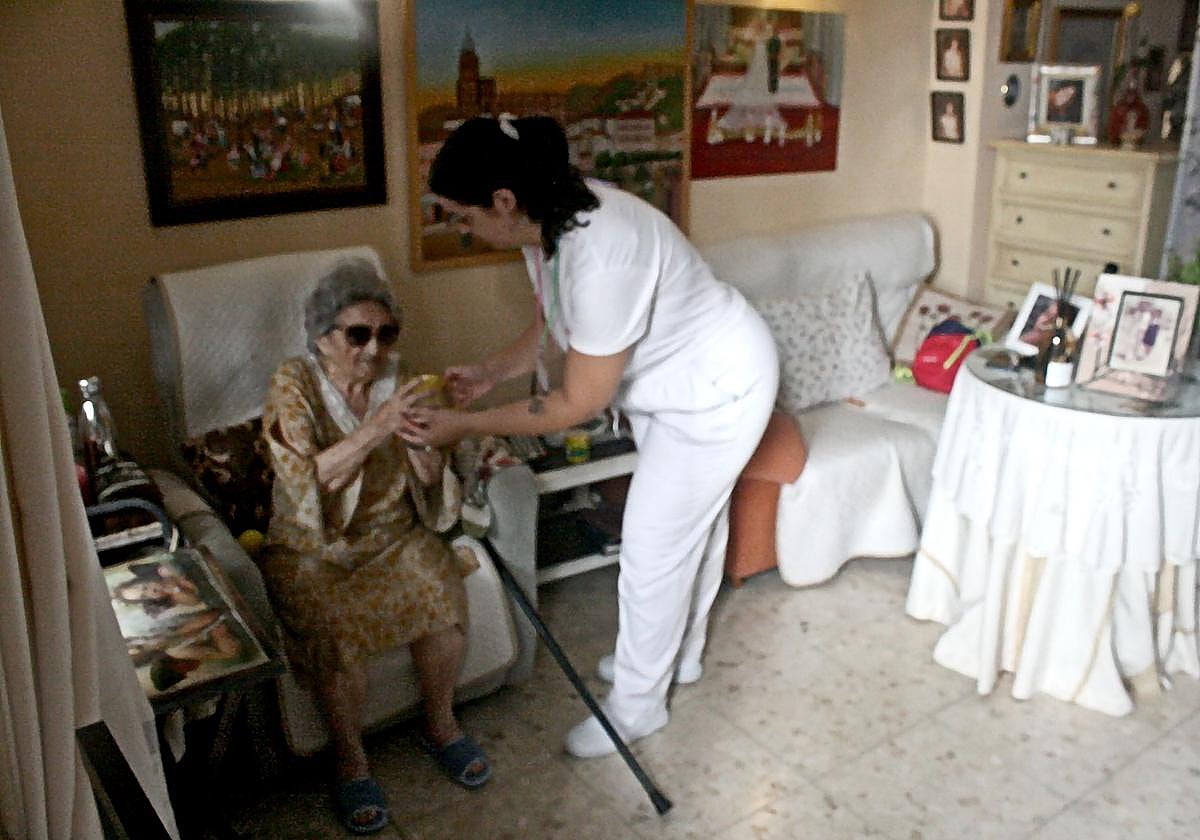
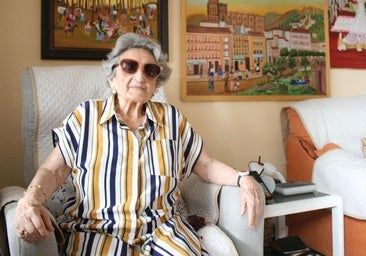
Trinidad Cabello still spends most of the day sitting in her armchair next to the window in her ground floor flat in the Los Boliches neighbourhood of Fuengirola. The 99-year-old woman looks out, even though she completely lost her sight two years ago. However, her family doesn't have to worry about her being alone any longer, as the Junta de Andalucía regional government has finally approved her application to receive daily home care assistance.
According to the law, Trinidad is considered a dependant person. Her story was first covered by SUR on 7 July. On that same day, she received a call that informed her that her wish would finally be granted. After eight years of waiting, she now has Natalia - her care giver - who visits her every day from Monday to Friday to support her for a total of three hours per day.
Trinidad thanks SUR for raising awareness. "If it hadn't been for you, I'd still be waiting here," she said. The elderly woman was not asking the Junta "for a handout"."I pay my taxes and I have certain rights," she said, adding that she was ready to speak to the president of the Junta - Juanma Moreno - if her needs continued being ignored.
Related story
-
José Carlos García
Although she was initially told that she would receive four hours of assistance a day, the service has been reduced to three hours. Trinidad is not planning on complaining, happy to receive support every day of the working week. Until now, the assistant would only go to her house twice a week and spend a total of three hours per week.
Natalia and Trinidad get along well. The caretaker makes breakfast, cleans the house, cooks and helps Trinidad with her personal hygiene and anything else she might need. While she is there, Natalia becomes Trinidad's eyes.
Although she needs support in performing day-to-day tasks, Trinidad is still a mother and she is happy to know that her daughters can now calmly take care of the responsibilities in their personal lives.
According to the elderly woman, there is not a standard way of processing applications and the criteria is unclear. She says that there are people in a better state who are granted more hours, while others don't receive the service at all even if they are unwell. She hopes that her case will encourage others to raise their voice and demand their rights.
![[]](http://static.vocstatic.com/voc26/latest/assets/images/favicon/surinenglish/apple-touch-icon-57x57.png)