
Adamuz train crash 2026
Two of Malaga's hospitals activated pre-emergency plan on night of Cordoba train crash: 'We took the hospital's pulse'
Hospital Regional and Clínico launched the procedure, which assesses bed availability, the possibility of suspending non-urgent surgeries and the blood supply stock, among other emergency check-ups
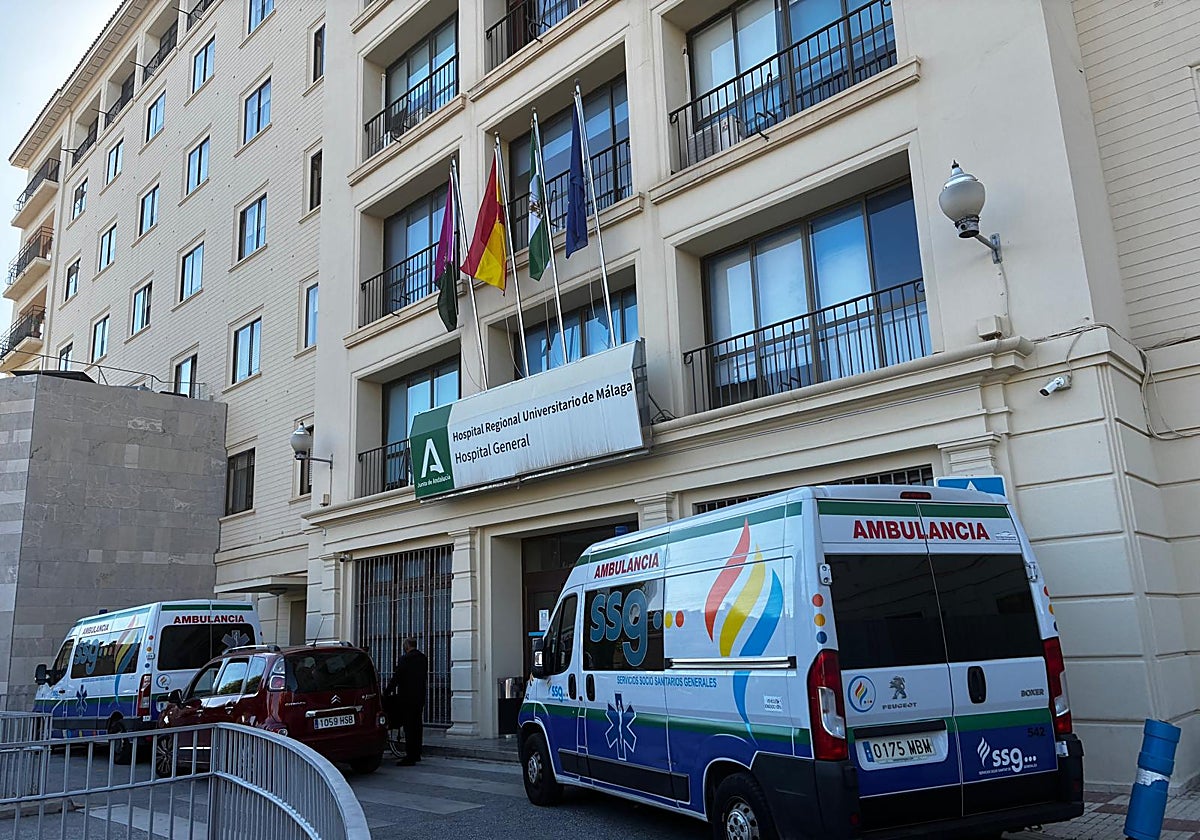

Two of Malaga's three public hospitals (Regional Universitario and Clínico) entered in pre-emergency phase on the night of the serious train crash that claimed the lives of 43 confirmed victims near Adamuz in Cordoba.
After being informed of the news on Sunday evening, the hospitals' management activated procedures to make sure that they could attend to a large number of urgent patients if needed.
In the end, Hospital Reina Sofía in Cordoba and Alto Guadalquivir de Andújar in Jaén took on most of the injured people. Nevertheless, Malaga was prepared, given the magnitude of the incident.
"The hospital is always in contact with the emergency coordination centre (CCUE)," health sources explained.
The hospital is always on alert for a call from the emergency coordination centre to activate the pre-emergency plan if needed
"The phases of the plan involve a series of measures that the hospital activates when it is alerted that there has been an event that could possibly lead to injured people being brought in, regardless of whether that ends up happening," they added.
From the moment the plan is activated, the hospital staff starts counting beds in the emergency department, checks which could be made available and assesses whether there are any non-urgent surgeries that could be postponed.
'It's about taking the hospital's pulse'
"It's about taking the hospital's pulse, to see what the situation is like," the source said, adding that pre-emergency means preparation before any patients have arrived.
The pre-emergency plan also impacts patients who have been admitted for other reasons. If they can be discharged, without risk to their health, the hospital orders that. If they can be moved from the emergency department, the ICU or the surgical area to another hospital ward, that is also done.
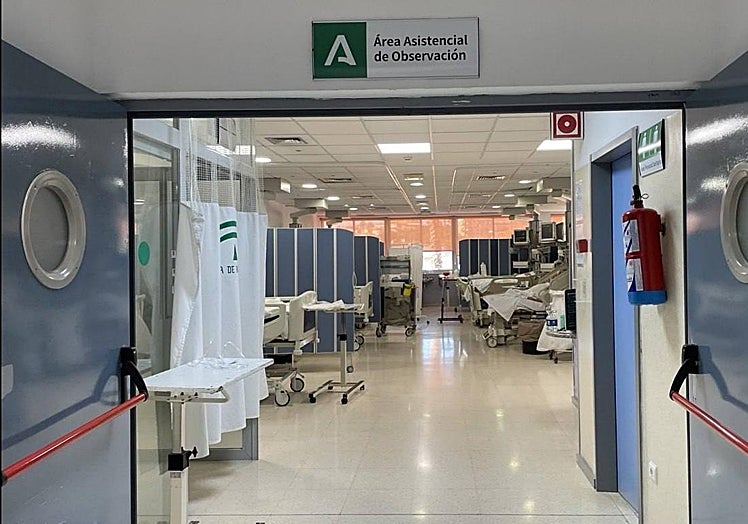
Once the second phase of the plan is activated by the emergency coordination centre, the first thing to do is to locate the highest-ranking person in the hospital, starting with the manager and moving down the chain of command until someone takes the call.
At the same time, the hospital gathers as much information about the scale of the incident and the number of patients that can be expected.
The internal emergency committee, comprising representatives of management, a medical lead, a nursing lead, a porter supervisor and a logistics coordinator, is convened to respond to the incident.
Colour scales
In addition, a series of internal and external circuits come into operation. External operations involve ambulances bringing patients in, while internal operations decide who goes where and in what condition.
"There they [patients] are divided according to their state into a series of colour scales that direct them to an area inside the hospital," health experts explained. Red is for the most serious patients; yellow for the intermediate ones; green for the least serious cases. Grey is used for patients who have no chance of surviving, while black is for deceased or injuries incompatible with life.
Patients are assigned a colour according to the severity of their injuries in the emergency phase
Patients assigned a red colour are also divided into those with wounds that require surgery and those who need stabilisation in the ICU. There are some people in the red category that can be quickly stabilised and moved elsewhere in the hospital.
Other measures include reorganising medical units, boosting emergeny and triage areas, organising resources and assessing the need to increase operating theatres.
Rotating work shifts are organised and members of the public are asked not to go to the hospital unless strictly necessary. Afterwards, a call is made to see if there are any more injured people to be brought in. When the hospital receives a confirmation that nobody else is to be transferred, the centre enters "the final phase of recovery".
In the end, in the case of the Adamuz accident on Sunday, Malaga's hospitals only attended to three patients with mild injuries who had arrived accompanied by family members. Three other people were attended to in Antequera.
![[]](http://static.vocstatic.com/voc26/latest/assets/images/favicon/surinenglish/apple-touch-icon-57x57.png)