
Animal welfare
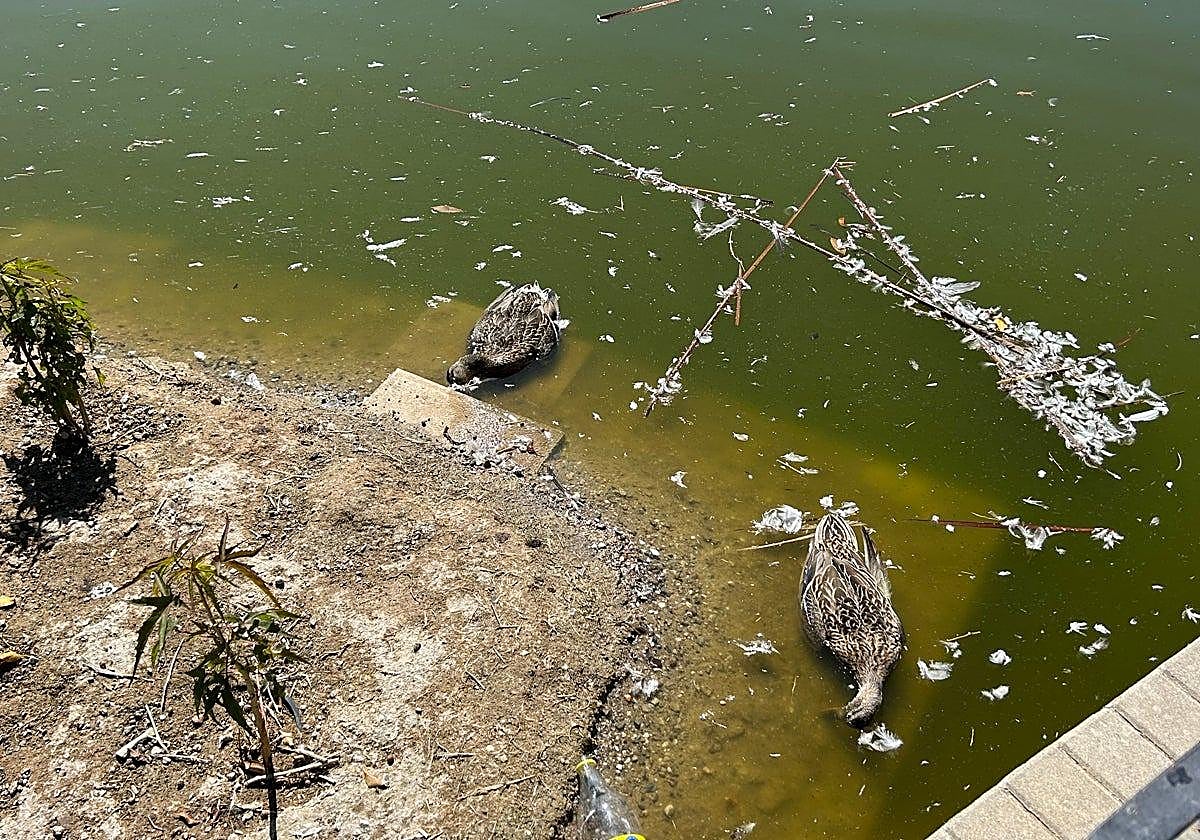
Newcastle disease and not bird flu killed wildlife in Malaga park
Spain's central veterinary laboratory in Algete confirmed the diagnosis after four specimens were analysed, specifically two yellow-legged gulls, a collared dove and a mallard

Malaga
The Centro de Análisis y Diagnóstico de la Fauna Silvestre de Andalucía has confirmed that the birds that were found dead in Huelin park in Malaga were suffering from the Newcastle disease virus, which rules out a possible bird flu outbreak in the city
The Junta de Andalucía's regional ministry of sustainability and the environment has provided SUR with the results of the analyses carried out at Spain's central veterinary laboratory in Algete. The Newcastle virus - a frequent mild zoonosis - has also previously affected wild birds, mostly Eurasian collared doves, throughout the region. On this occasion, four birds were tested: two yellow-legged gulls, a Eurasian collared dove and a mallard.
This disease is a highly contagious infection caused by a virus of the Paramyxoviridae family. According to the Ministry of Agriculture, it can affect all bird species, including domestic birds anywhere in the world. This is why most countries apply a vaccination policy.
The regional ministry has assured the population that the risk to people is minimal. Touching a dead or an ill bird, for example, can cause keratoconjunctivitis if the person rubs their eyes afterwards. It is therefore recommended not to directly touch the infected specimen.
Park reopening
With the release of the results, Malaga city council reopened the park last Saturday, around one week after its closure on 3 September. No new cases have been registered in any public park, but vigilance and precautionary measures will be extended to all areas with ponds and lakes.
![[]](http://static.vocstatic.com/voc26/latest/assets/images/favicon/surinenglish/apple-touch-icon-57x57.png)