
Heritage
Estepona opens new museum space dedicated to seafaring tradition
The exhibition contains more than 400 pieces from the personal collection of the late Costa del Sol-born seaman Miguel López Mateo

Estepona
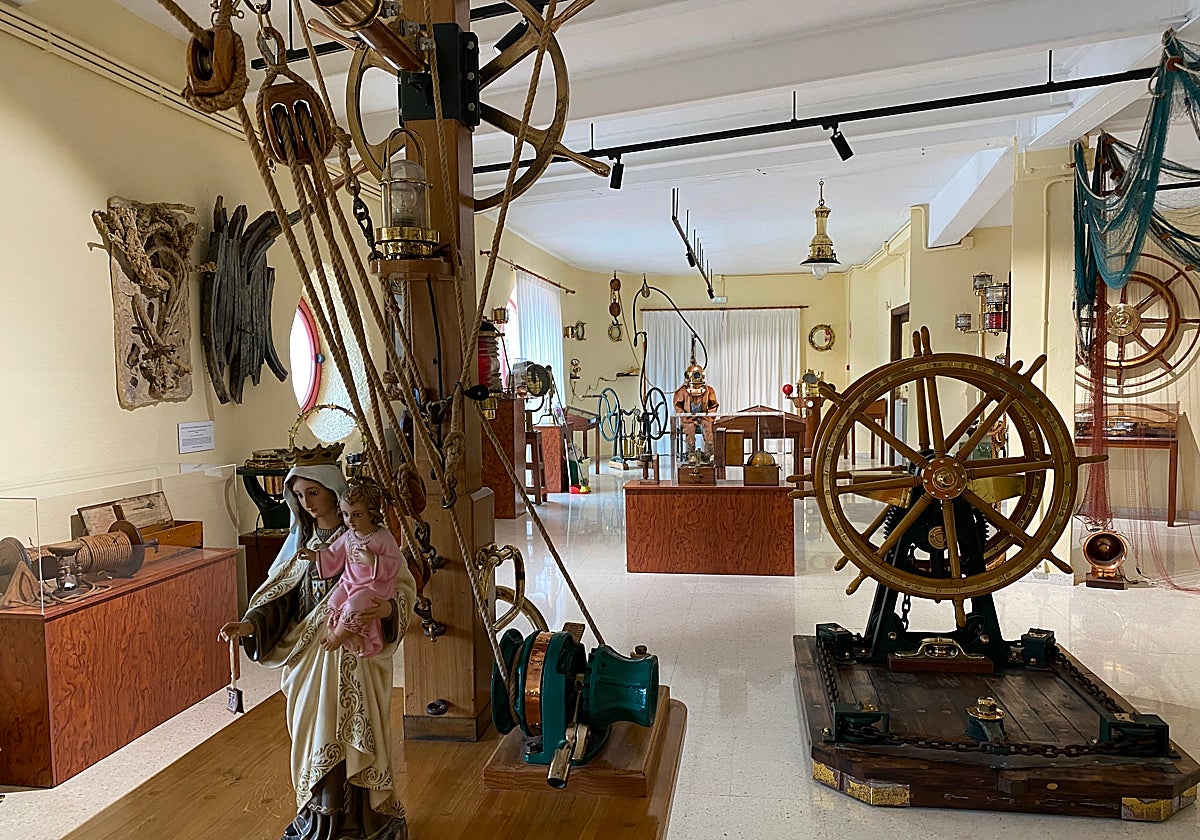
Estepona town hall has inaugurated a new area dedicated to the sea and the history of seafaring, called Museo del Mar. Located in the Museos Municipales, the space pays tribute to the close relationship between humans and the ocean.
Almost all artefacts (95%) in the museum are part of the personal collection of late Malaga sailor Miguel López Mateo (El Bulto, 1939-2013). Born into the family of fishermen and divers, he developed a great passion for the sea from an early age. Throughout his career, he sailed on fishing boats, tugboats and merchant ships.
His commitment to his wife Henrietta D'Hont, originally from Antwerp (Belgium), led him to stop sailing. He kept his promise until his death. He spent 70 years establishing a different relationship with the sea by recovering and restoring antique naval tools and objects. His collection is one of the most complete, with all kinds of utensils and models, fishing systems and everything related to the seafaring culture and profession.
His son, Dirk López D'Hont, told SUR that he is only loaning the collection to the town hall, not donating it. However, he said that he is happy to see his father's treasures on display for a town that "is also closely linked to the sea and has a long seafaring tradition". López D'Hont said that the museum is the perfect place for the artefacts and that he believes his father would be happy to see them there.
Mayor of Estepona José María García Urbano said that the new space in the museum serves "educational, informative and emotional" purposes. "Through this collection, visitors can learn not only how people sailed, but also why they did it, as each object on display here tells a story of ingenuity, survival, exploration and tradition," he stated.
Jewels of naval history
Among the artefacts in the collection, visitors will see an 1876 logbook with an original compass rose, a late 19th-century naval telegraph similar to that of the Titanic and the only known example with inscriptions in Spanish, an 18th-century graphometer signed by Claud Langlois and the logbook of steamer Joaquín Mumbrú, which was sunk in 1917 by a German submarine.
The collection also includes antique diving suits, 19th-century naval machinery, rudders, centenary nets, lamps and many other nautical instruments and also pays homage to the canning women of Estepona - another trade linked to the sea which has now disappeared in the town.
The area is an accessible, inclusive, multidisciplinary space aimed at all ages, students, researchers, tourists and families, which will be expanded in the coming months with audiovisual material and an immersive seabed room, the assembly of which is already under way.
![[]](http://static.vocstatic.com/voc26/latest/assets/images/favicon/surinenglish/apple-touch-icon-57x57.png)