
Summer escapade
Discover the villages at the heart of Malaga's late summer grape harvest
Moclinejo, Almáchar and El Borge in the Axarquía area of the province have for almost two years now formed a tourist trilogy under the brand name 'Corazón Moscatel'

Malaga
The villages of Moclinejo, Almáchar and El Borge in the Axarquía area of Malaga province have for almost two years now formed a tourist trilogy under the brand name 'Corazón Moscatel' (heart muscatel), which is presented as a unique and diverse destination that revolves around the humble raisin. However, these are not just any raisins, the Muscat of Alexandria and its traditional production and harvesting system are recognised by the UN's Food and Agricultural Organization (FAO) and appear on its agricultural heritage list.
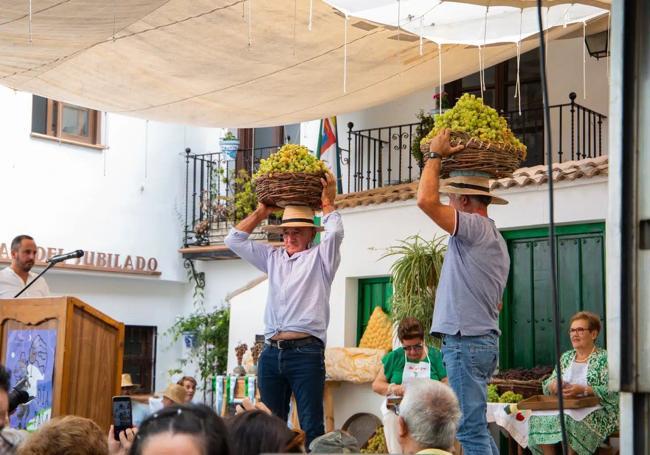
During August and September, the villages are busy with the grape harvest and many of them celebrate it with a festival which pays tribute either to the grape, the raisins, the wine or the people involved in the harvest.
On 6 September, the Fiesta del Ajoblanco (a could soup made with garlic and almonds) will be held in Almáchar. Then, on Sunday 14, the Fiesta de Viñeros in Moclinejo celebrates the grape harvest and on Sunday 21, the Día de la Pasa (raisin day) is taking place in El Borge.
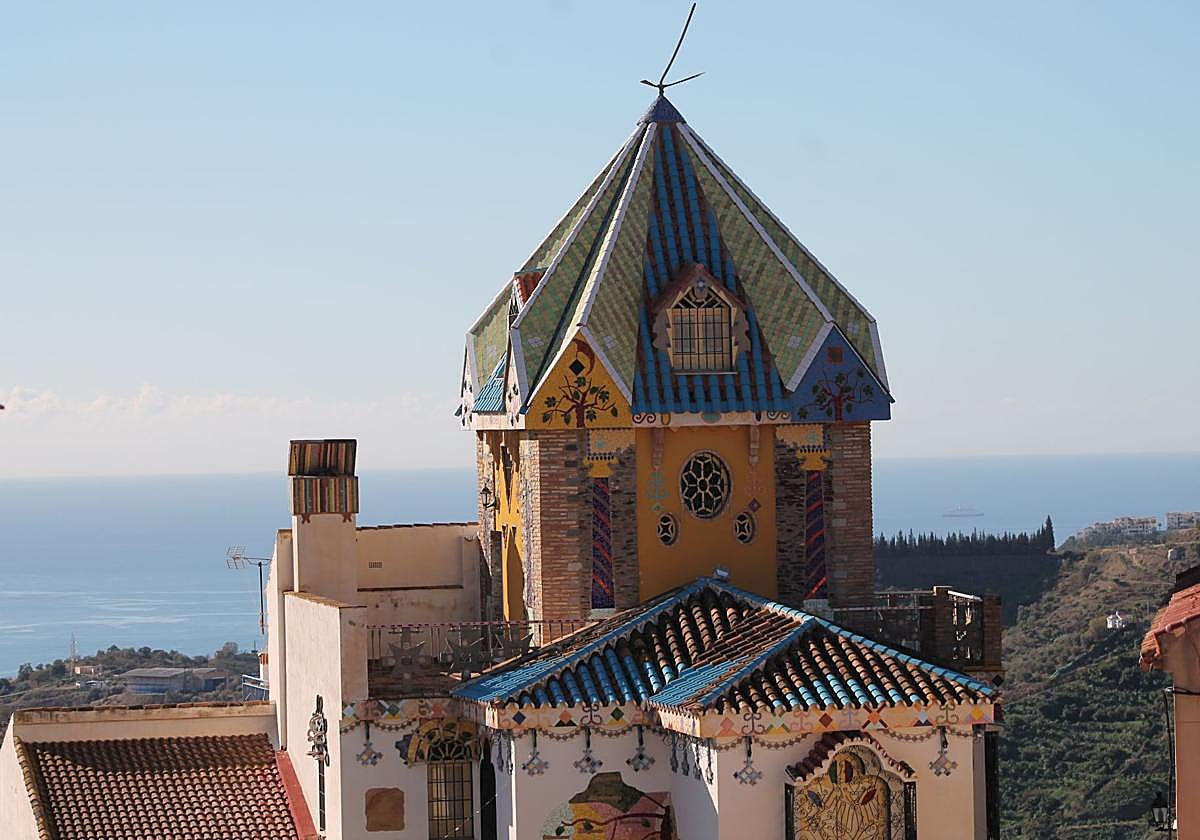
There are plenty of other attractions in the villages, for example, head to the small hamlet of El Valdés which belongs to Moclinejo to see some Gaudí-inspired art. It all started with the Casa Museo de la Axarquía created by a Antonio Montañez, a local resident with a passion for Gaudí's style. Later, the style of the Catalan architect also spread to other places in the village. In summer it is best to visit early in the morning or late in the afternoon to make the steep slopes of this rural village more bearable.
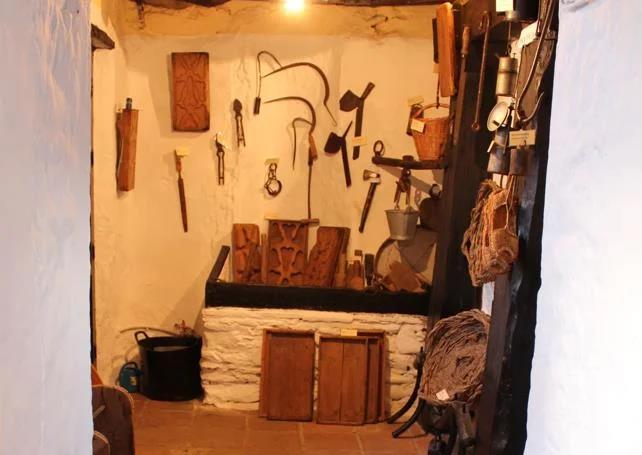
The cultivation of Muscat of Alexandria grape has for centuries defined the way of life of villages such as El Borge, Moclinejo and Almáchar. In the latter you can visit the Casa Museo de la Pasa, located in the heart of the village in a traditional house.
There you can see not only tools and equipment related to the grape harvest, drying the grapes and the production of wine, but the tiny museum also recreates the traditional domestic spaces such as the traditional bedrooms and kitchens.
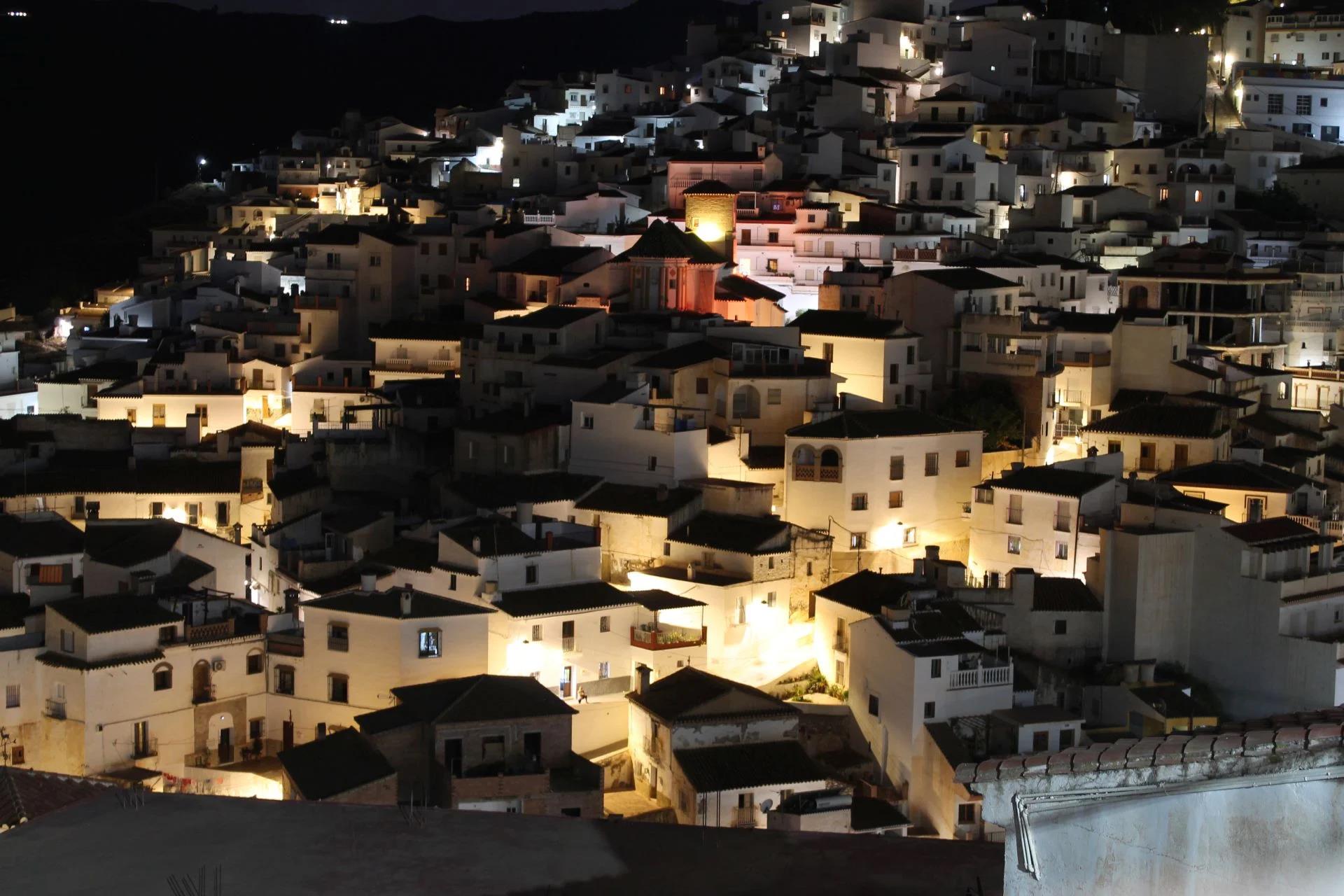
On the last days of summer, when the scent of muscatel is still in the air in this part of the Axarquía, it is worth strolling into the old quarter of Almáchar to watch the sun go down. First of all, you can walk through its streets, a veritable labyrinth that connects San Mateo church with the El Forfe gardens. Calle Cornellá de Llobregatt is one of the best places to watch the sunset.
El Borge has one of the most important collections on banditry in Spain including 18th and 19th century documents and books, weapons and clothes used either by the bandits or the police.
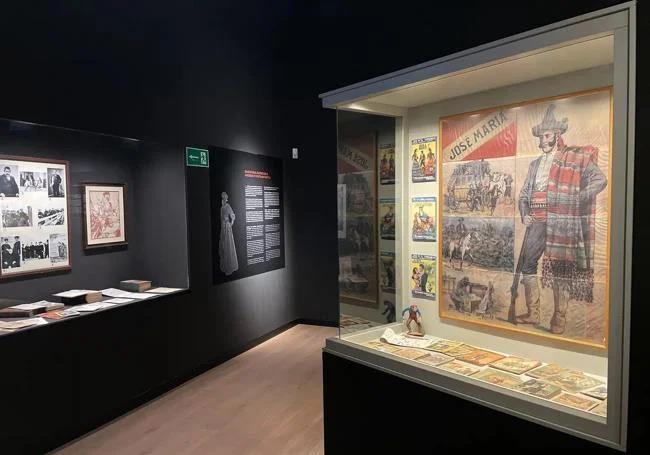
This permanent exhibition has more than a thousand objects and documents, some of which are very valuable because they belonged to notorious bandits like El Bizco de El Borge, Pasos Largos, Tragabuches or El Tempranillo.
![[]](http://static.vocstatic.com/voc26/latest/assets/images/favicon/surinenglish/apple-touch-icon-57x57.png)