
Summer escapades
Seven things not to be missed when you visit Nerja and Maro this summer
The eastern shores of the Costa del Sol offer plenty of adrenaline-pumping activities, unusual viewpoints and even nostalgic memories

Malaga
Nerja is one of the most spectacular and complete destinations on the eastern Costa del Sol. Nerja and its coastal village of Maro offer the ideal place to enjoy summer, with a wide range of activities for adrenaline-junkies, stunning views of the Mediterranean and mountains and even trips down memory lane.
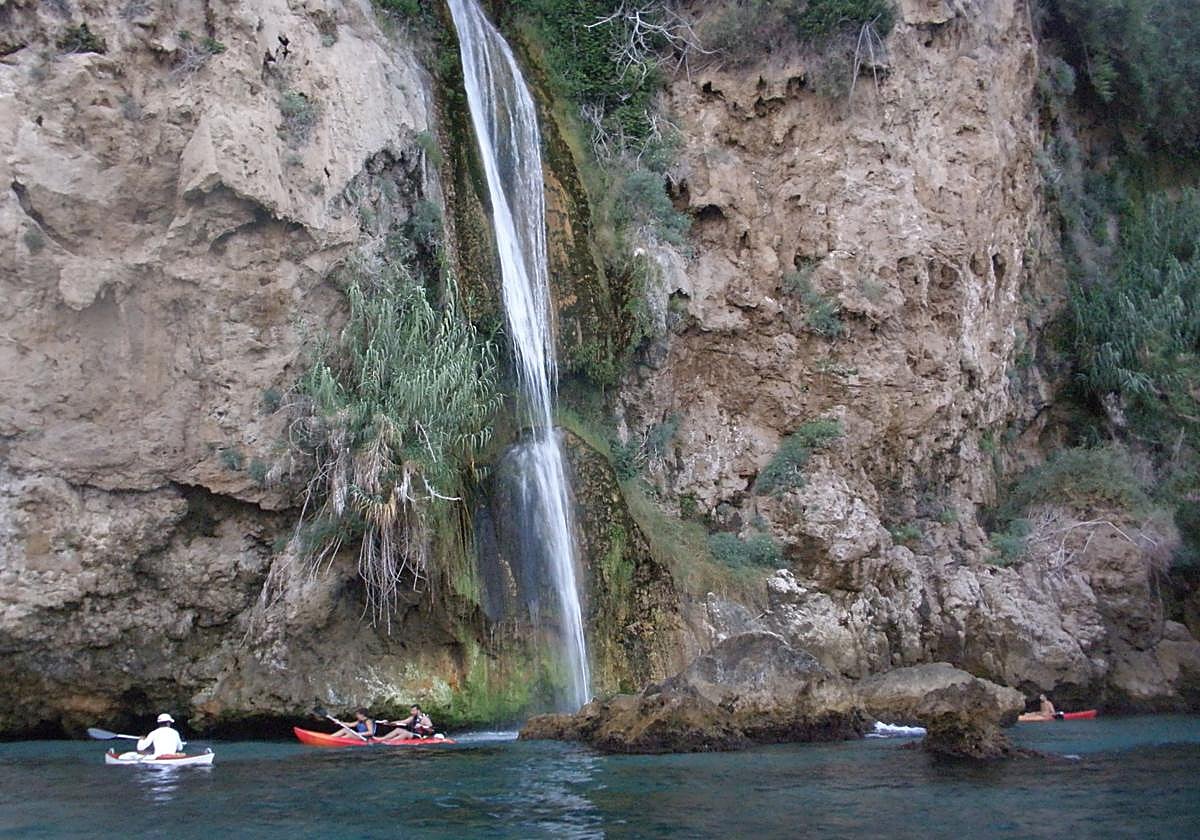
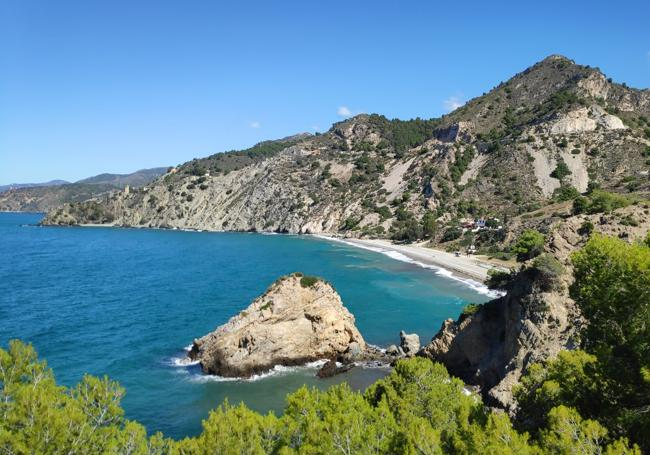
On the town's Burriana beach there are daily kayak trips to explore the most breathtaking coastline on the Costa del Sol; the Maro Cliffs protected area with its small caves, waterfall and hidden coves which are difficult to access on foot. Some people even do at at night when there is a full moon.
The Maro Cliffs form the easternmost point of Malaga province, on the border with Granada province. Its crystalline waters and wild and rugged character, under the watchful eye of watchtowers, make a day at the beach very special.
The Castillo Bajo, an ancient medieval fortress, is better known as the Balcón de Europa. Few traces remain of that fortress which was used as a watchtower before it was turned into one of the best-known viewpoints along the Costa del Sol.
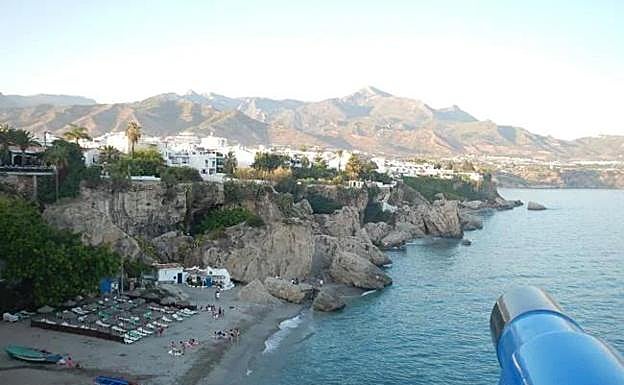
There you can see a statue of King Alfonso XII, who on a visit to Nerja after an earthquake that rocked the Axarquía area on Christmas Day 1884, was surprised by the beauty of its panoramic views and described it as 'the balcony of Europe'.
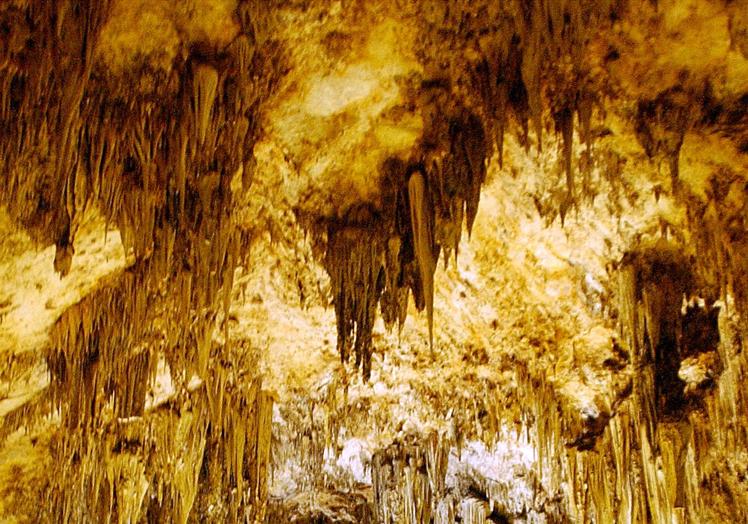
The Nerja Cave, which is the most visited cave in Andalucía, is next to the village of Maro. The cave was discovered by chance by a group of young boys who were playing in the area in 1959 and it opened to the public in 1960. Since then, progress has been made both in scientific investigation and in making the different areas available to visitors.
In addition to the spectacular stalactites and stalagmites this cave is a key piece of knowledge about prehistory, as its cave paintings have been dated to 42,000 years ago can still be seen today. They are thought to be among the earliest known works of art made by humans.
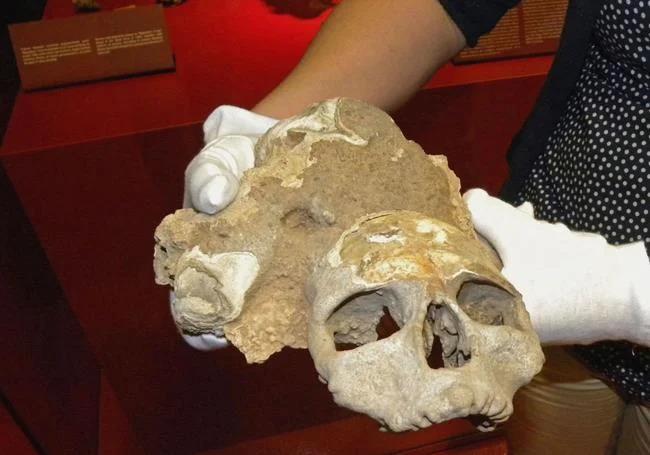
The Museo de Historia (museum of history) of Nerja, which is linked to the cave, is located in the historic centre of the town on Plaza de España, very near to the Balcón de Europa.
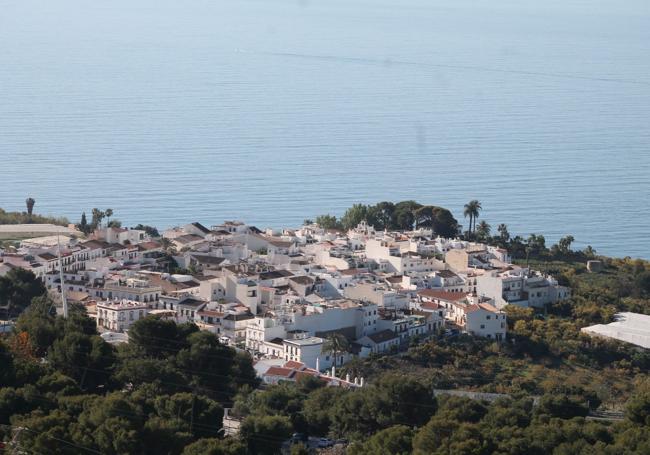
The coastal village of Maro occupies a unique and majestic location facing the Mediterranean and a stroll through its pretty streets and to the main square is well worth it, especially in the evening at sunset.
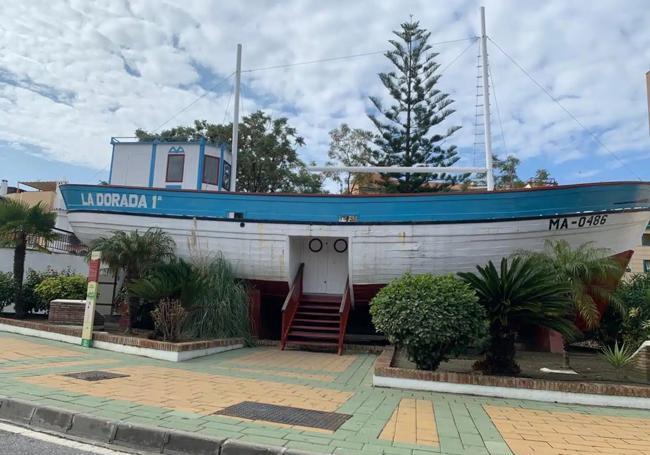
Many Spaniards and indeed other nationalities where the programme was aired (France, Portugal and north Africa for example) still have fond memories of the legendary 1980s TV series 'Verano Azul' which was filmed in and around Nerja. There are still many places where that fictional TV series is remembered, such as the replica of La Dorada, Chanquete's boat which can be found in Verano Azul park and the statue of Chanquete, the loveable fisherman from the series, which overlooks the sea on a small viewpoint to the west of the Balcón de Europa.
The Maro Cliffs, the Nerja Cave and the Balcón de Europa all appear in the series, as does Ayo beach bar, where it is still possible to try the famous paella that was immortalised in one of the episodes of Verano Azul.
![[]](http://static.vocstatic.com/voc26/latest/assets/images/favicon/surinenglish/apple-touch-icon-57x57.png)