
Agriculture
Nerja organic farmers face eviction and loss of EU project as 400 contracts terminated
Jennie Rhodes
Following the announcement by landowner Sociedad Azucarera Larios in December 2025 that the company had started to terminate around 400 contracts on the Vega de Maro land in Nerja on the eastern Costa del Sol, BAM (Bio Agricultura Maro), a collective of Spanish and foreign organic growers who farm the land, have released a statement.
The statement comes just days after the first property was demolished on Friday 16 January, as part of the company's plan to clean up and reorganise its agricultural estates. The demolition of the home of tenant Loli Fernández set off alarm bells among fellow tenants and agricultural groups, who have said there has been a "lack of information" and are demanding "protection" for the families who lived on the land.
BAM spokesperson Jack Whitfield confirmed to SUR in English that "all of the contracts including all of BAM's producers have been terminated" and that they "are ending throughout this year; some have ended already and each month progressively until December"
In the statement BAM said that the collective is "really worried about the decision by Sociedad Azucarera Larios, SALSA, to stop renewing the land lease contracts in Maro and Tetuán this year, breaking with a 400-plus-year tradition of local farmers working the land here".
Generations of farmers
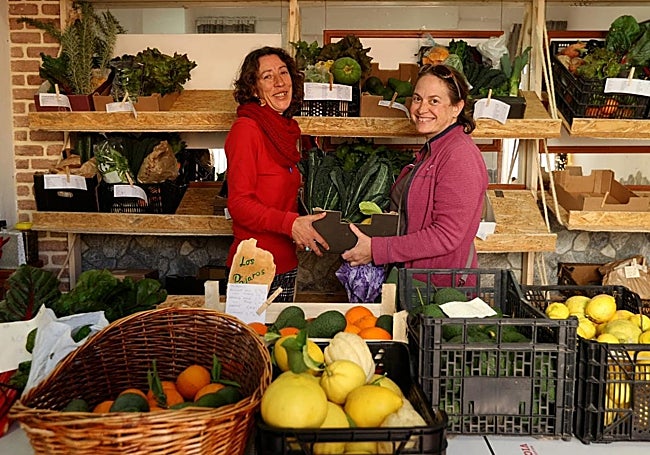
BAM, which has a point-of-sale and pick-up point for people who order their vegetable boxes in the El Zoco market area of Nerja, said, "This means the end of our project, which has been running for over four years now and is going from strength to strength."
According to BAM, "The decision for non-renewal has been taken without clear explanations and without any real dialogue with the people who’ve been farming this land for generations. There are currently around 450 local farmers, of whom around 30 are members of BAM and who look after a historic agricultural landscape that goes back to medieval times, with irrigation channels, terraces, orchards and rural paths built and maintained by the farmers themselves which are part of Maro’s identity and way of life."
They argue that "thanks to the microclimate between the sea and the mountains, this land supports an incredible biodiversity, from subtropical fruit trees to several vegetable harvests a year, making it perfect for agriculture" and add, "It’s one of the last truly rural, non-urbanised landscapes left on the Costa del Sol."
BAM was created by farmers and local residents from Maro and Nerja to grow and share healthy, organic food and to strengthen the local food system. Over the years they have created projects that connect farming, community and sustainability in practical ways. They run a consumer group that links local growers directly with families so people can buy fresh, seasonal produce. They also organise Maro Bello, community clean-up and care days.
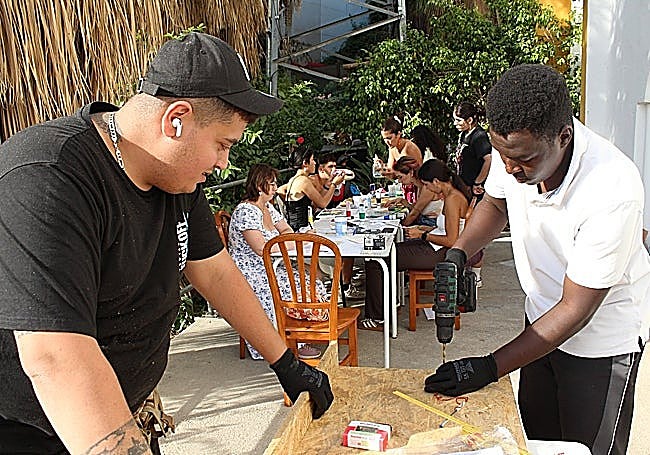
Much of the community work that they do stems from the pandemic, when they created 'Via Comida' to collect surplus vegetables and fruit from the fields and donate them to local food banks "so good food was able to get to the people most in need".
BAM, which also belongs to Action for Maro and its Agriculture (AMA), are "calling for transparency and real dialogue from SALSA and for Nerja town hall to step in and defend local farmers and the public interest". They pointed out that they are "not against progress" and are "in favour of development that respects the environment, supports local people and protects what already works".
Whitfield highlighted that AMA "is looking at legal and political challenges to the decision, asking the local government to act as mediators, so it's not a completely lost cause as yet".
BAM members have also created a local seed bank to protect traditional seeds and encourage agricultural biodiversity and they offer support to local farmers who want to move into organic and regenerative practices. "All of this only works if people have secure access to the land," they told SUR in English.
European funding
Furthermore, BAM is currently waiting for the result of a long-term European exchange programme which is planned to run for more than three years and focuses on alternative and sustainable ways of living, farming and organising rural communities. The exchange was covered by SUR in English in October 2025 when sixteen young people from Berlin-based association Laial, which works with refugees and migrants through cultural activities and educational work, visited the Axarquía and worked with BAM.
"We’ve developed this project with partners in several EU countries to share regenerative farming methods, strengthen local food systems, explore community-based models of rural life and create real cultural and knowledge exchange between European regions. The uncertainty created by SALSA’s decision now puts this whole project at risk and could mean losing a huge opportunity for Maro to become a reference point for sustainable rural development and ecological transition in Europe," BAM said in their statement.
In December 2025 the Nerja socialist PSOE group expressed its “deep concern” about non-renewal of the 400 contracts. Through the group’s social media, the socialists called on the administration to intervene and seek solutions that will secure the future of the farmers and their families.
PSOE spokesperson Patricia Gutiérrez said at the time that they were “seeing how people in the area are concerned and, above all, saddened by the possibility of losing the work they have been doing for years. Agriculture is a way of life and a fundamental pillar of our identity.”
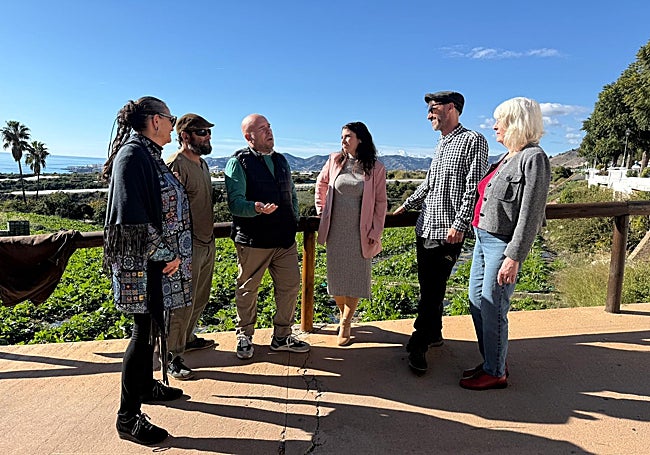
PSOE councillor Judy Rust highlighted to SUR in English the importance of the Erasmus+ EU funding as well as other EU goals related to organic farming. She said, "Tearing out existing groves of organic fruit and avocados is in direct conflict with the EU goal for organic agriculture," while adding that "industrial farming of avocados would destroy these existing organic farms and the hard work of years of these farmers building up the soil". Rust concluded: "The last thing we need for sustainability is the monoculture of avocados with high use of chemical pesticides and fertilisers, not to mention extensive demand for water in a stressed area."
However, Mayor of Nerja, José Alberto Armijo (PP), stated at a full council meeting in December 2025 that "it looks like the agricultural use of these lands will continue" and that the urban development project may not be carried out as initially conceived, which is why he advocated "focusing" on the agricultural use of the Vega de Maro.
The future urban development project on some 200 hectares of the Vega de Maro, which includes a golf course, some 500 homes and three hotels, remains blocked by a conflict of interpretation over the applicable urban planning regulations.
![[]](http://static.vocstatic.com/voc26/latest/assets/images/favicon/surinenglish/apple-touch-icon-57x57.png)