
Development
Larios terminates 400 land lease agreements on eastern Costa del Sol as plans for tourism complex advance
Developers say Maro Golf is "destined to place Nerja and the Axarquía at the forefront of tourism on the coast due to its innovative and sustainable nature, integrating the golf course, several hotels and agriculture into the same landscape"
Eugenio Cabezas
Nerja
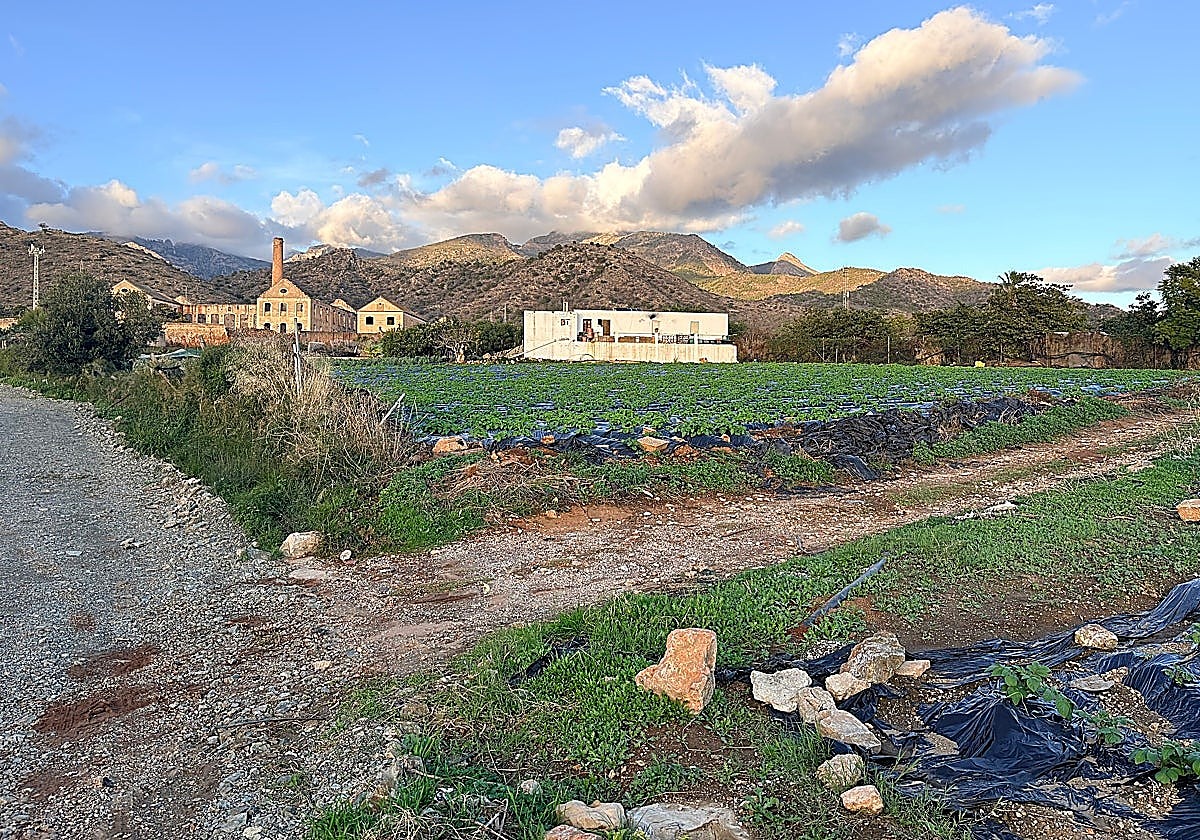
Sociedad Azucarera Larios is terminating the lease agreements for some 400 agricultural properties in the Vega de Maro area of Nerja on the eastern Costa del Sol, the vast majority of which are used as allotments and even as permanent residences in self-built structures that were originally tool sheds, by around eighty families, twenty of whom have children enrolled at the Maro primary school, according to information obtained by SUR.
Sources at the company have explained to SUR that all the tenants, of whom barely 50 are professionally engaged in farming, have been notified of the termination of their contracts one year in advance and that the majority of the contracts will expire in summer 2026, staggered between this month, when fifteen have already been notified that they have to leave the land and the first months of next year.
The company says that this is the final step in a process that began more than two decades ago, when it invested some 12 million euros —around two billion pesetas in 2000—to compensate tenant farmers for improvements made to the plots and to resolve historic rural contracts, following protests in December 1996 involving a group of tenant farmers who barricaded themselves in the Nerja Cave.
Foreign and non-local tenants
Since then, according to Larios, agreements have been signed with professional farmers, both for outdoor crops and greenhouses, although over time many farms have been converted into allotments or recreational areas, with a growing presence of foreign tenants and residents from other parts of Malaga province and Granada.
The same sources admit that, of the approximately 400 current tenants, half could be foreigners or non-local residents, while the rest are divided between residents of Nerja, Torrox, Vélez-Málaga and other municipalities in the Axarquía. They pay an average of 40 cents per square metre, which amounts to around 800 euros per year for a 2,500 square metre plot.
Sociedad Azucarera Larios has said that, although the contracts expressly prohibit subletting, it is not always easy to distinguish between professional farmers and users with allotments or small tool sheds, which in some cases have become houses.
The next step will be the comprehensive “clean-up” of the land, a process that company sources say will be costly due to demolition, waste management and the removal of elements considered detrimental to the landscape and the environment on plots covering around 150 hectares.
Tourism project
The aim is to eliminate allotments, substandard housing and illegal settlements, while clearing the legal and urban planning permits to allow, in the future, the development, after the corresponding urban reclassification, of “a high-quality tourism project”, with the construction of a golf course, 500 homes and hotels covering 200 hectares, or if this is not possible, in the meantime, to maintain a more orderly agricultural operation.
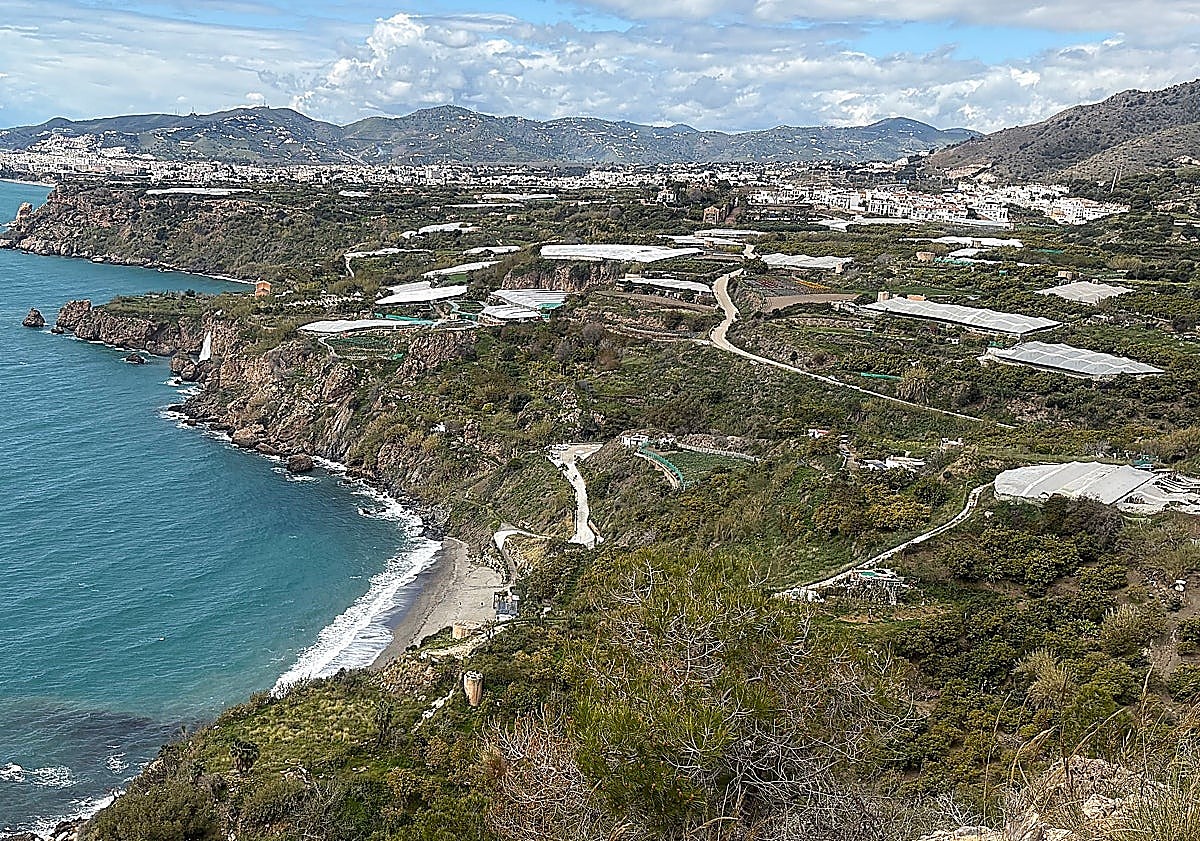
At the same time, the company is continuing with the planning process to enable the construction of a large tourist complex on the land, which is currently classified as non-urban and under special agricultural protection in the PGOU (general urban development plan).
The complex will include a golf course on the coastline south of the old N-340 road and up to three hotels with around 700 rooms, one of them in the old San Joaquín and Santa Ana sugar cane factory and the other two below the aforementioned road, along with some 500 homes.
The urban plan also envisages preserving the easternmost part of the land as a natural area, from the area of the Maro watchtower and the cove to the Río de la Miel, on which the company emphasises that it has no plans to develop or build tourist facilities, as it is within the perimeter of the Maro-Cerro-Gordo Cliffs natural area, beyond possible specific agreements for heritage improvement, such as the old paper mill.
The company admits that the timetable for the planned resort depends both on legal certainty and on economic and market viability, at a time when they consider there to be an investment ‘craze’ for quality hotel accommodation in established destinations like the Costa del Sol.
Meanwhile, Larios admits that the most immediate impact will be the eviction of families and farmers, the disappearance of dozens of small buildings and water tanks and the reconfiguration of an agricultural landscape which, for years, has been filled with scattered settlements and allotments.
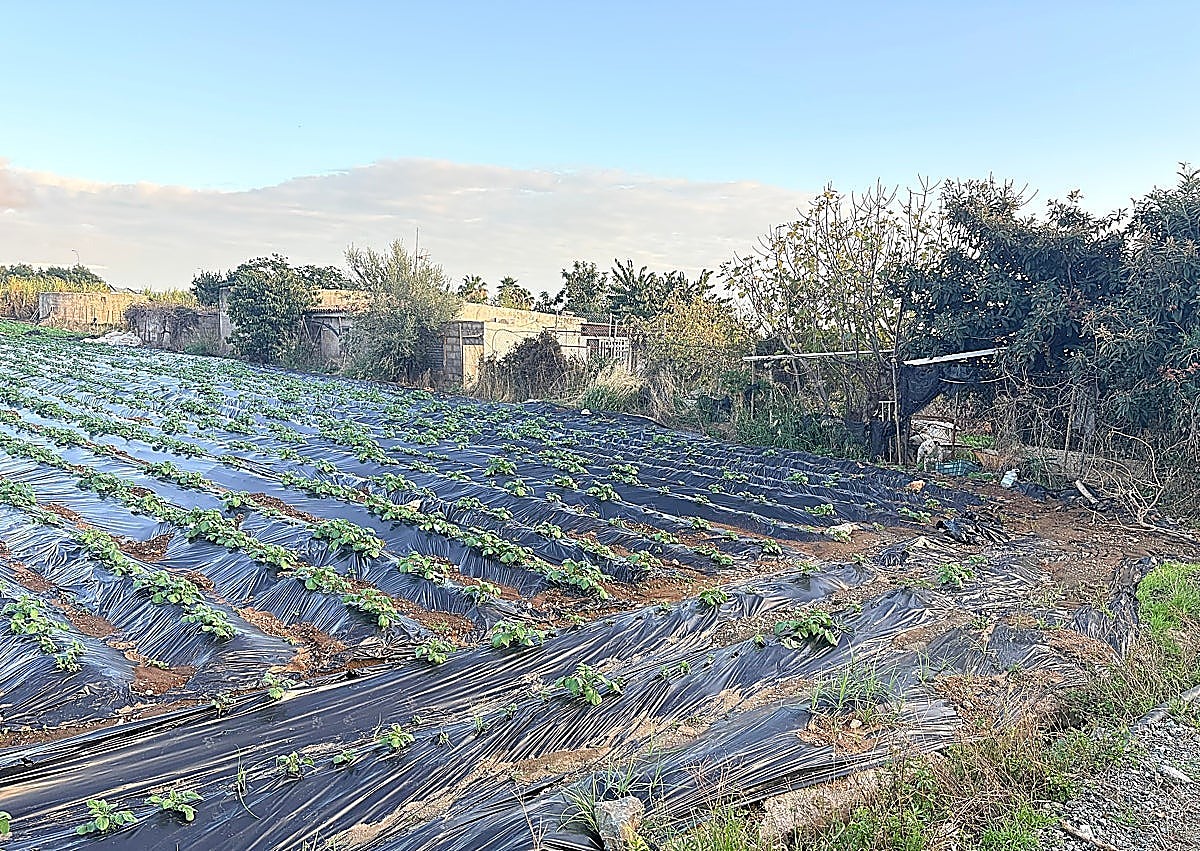
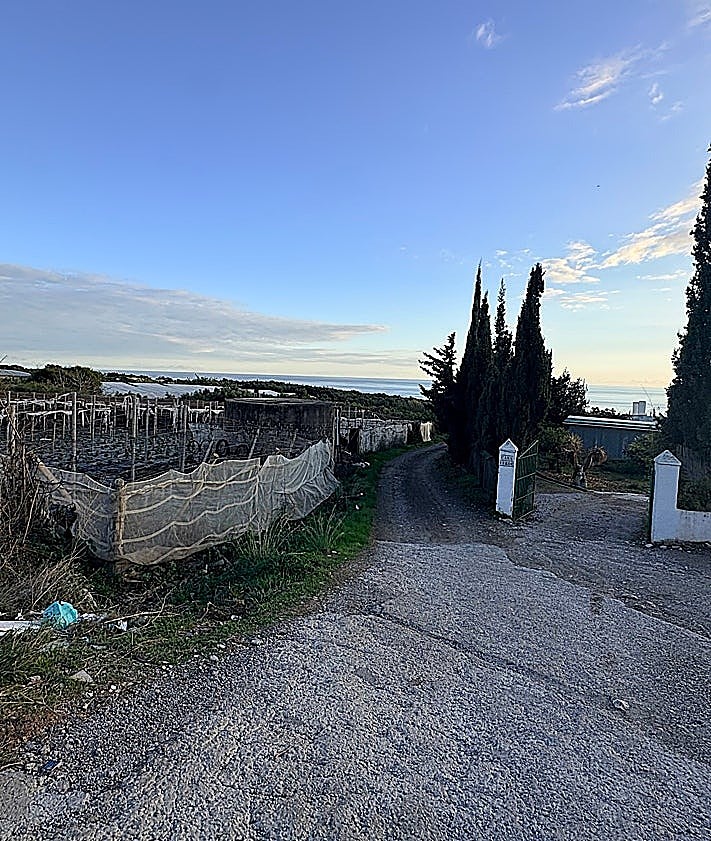
According to Larios, the end of the 400 leases will lead to a change in model towards a more orderly and professional form of agriculture, with the aim of also achieving a quality tourism project which, they argue, would bring greater benefits to the town and the region. The notification of the end of the contracts has led the tenants who are losing their plots, to post messages on social media, expressing their dissatisfaction and announcing that they are considering taking legal action.
Company sources describe these changes within the project known as Maro Golf, a tourism development that they consider "exciting and destined to place Nerja and the Axarquía at the forefront of the Costa del Sol due to its innovative and sustainable nature, integrating the golf course, several hotels and agriculture into the same landscape".
The developer argues that the reorganisation of leases and the removal of illegal constructions are "preconditions" for the realisation of this model, which is included in an urban planning agreement already submitted for public information, approved in April 2021 and which aspires to be "a global benchmark in quality tourism linked to the area".
![[]](http://static.vocstatic.com/voc26/latest/assets/images/favicon/surinenglish/apple-touch-icon-57x57.png)