
Heritage
Burial chamber found in inland Malaga town is over 5,000 years old and one of the best preserved in Andalucía
The dolmen, some 13 metres long and in an exceptional state of preservation, is yielding lots of clues as to the rituals followed during the third millennium BC

Teba
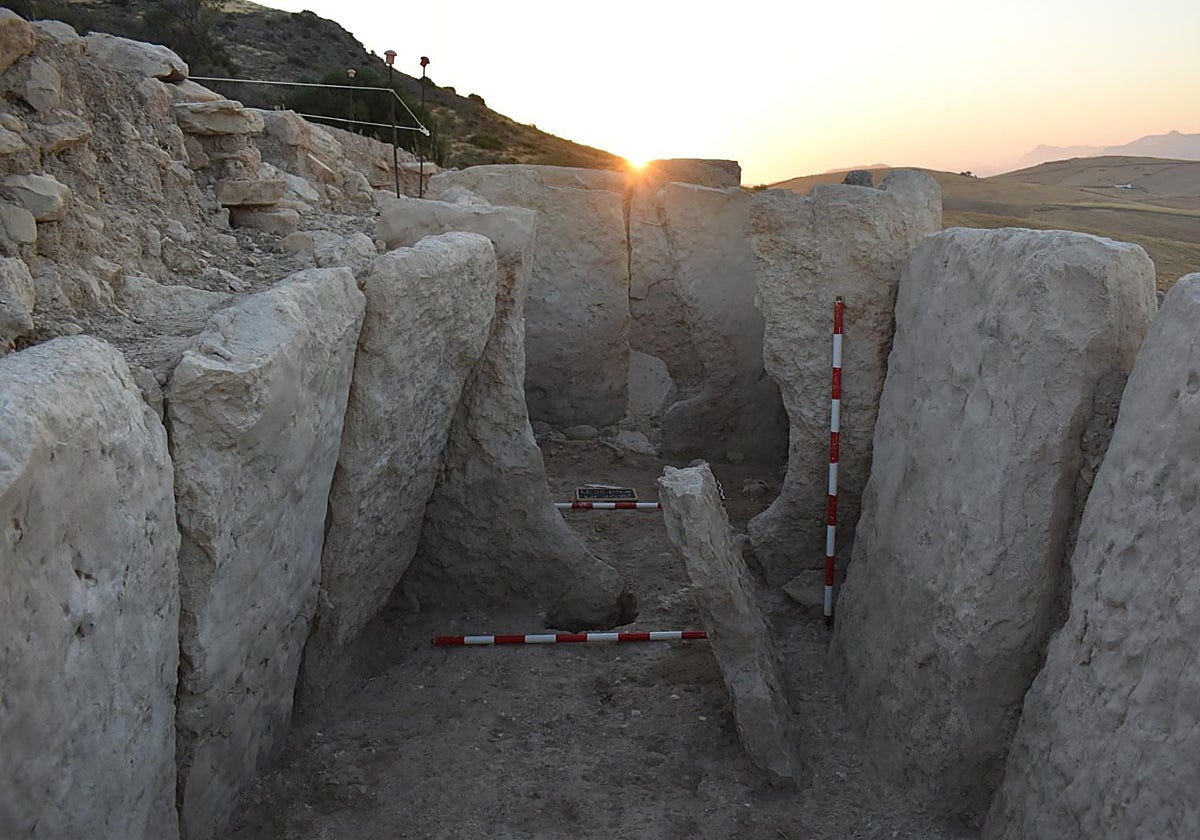
In the inland Malaga town of Teba in the north of the province, the earth has yielded an ancient secret. A team of archaeologists from the University of Cadiz (UCA) has brought to light what they have named as Dolmen I at the necropolis of La Lentejuela. This dolmen is a monumental tomb that, considering it is more than 5,000 years old, is surprising how very well preserved it is for such an age.
5,000
years plus...
This burial chamber is thirteen metres long with an interior that is split up into complex compartments. Following its discovery, it is already gaining recognition as one of the most impressive and complete funerary structures in Andalucía. The discovery not only provides unique evidence of the past, but also opens a privileged glimpse into understanding how communities in the third millennium BC in this southerly corner of the Iberian peninsula lived, thought and interacted.
The discovery is the result of four major digs carried out as part of the project entitled 'Monumentality, time and society: the megalithic phenomenon at the necropolis of La Lentejuela'. These excavations were authorised by the Junta de Andalucía and led by Dr Eduardo Vijande and Dr Serafín Becerra. Furthermore, according to the researchers themselves, their efforts have required plenty of patience and meticulous attention to detail, working stone by stone, until this monument was uncovered that is pretty much like no other in the region. "We could be talking about one of the most monumental and complete dolmens in all of Andalucía," says Becerra, who is also director of Teba's municipal museum.
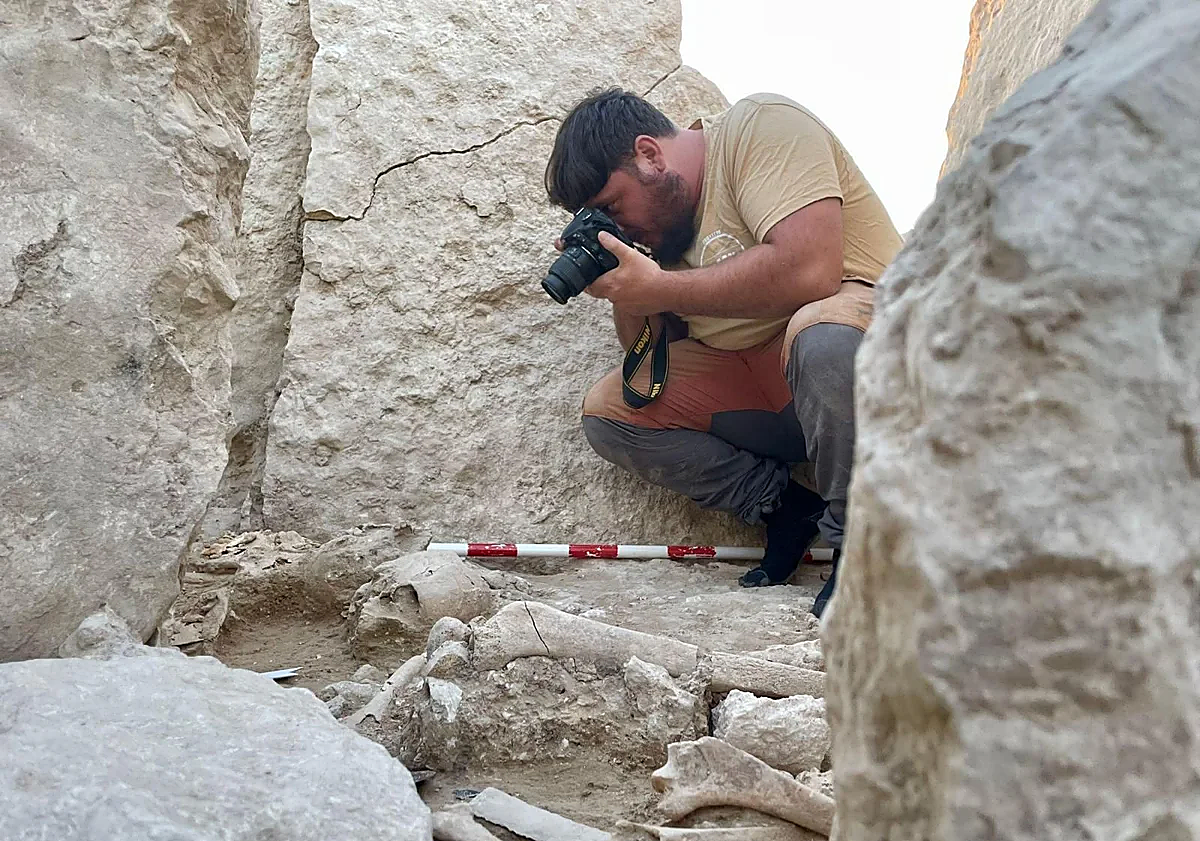
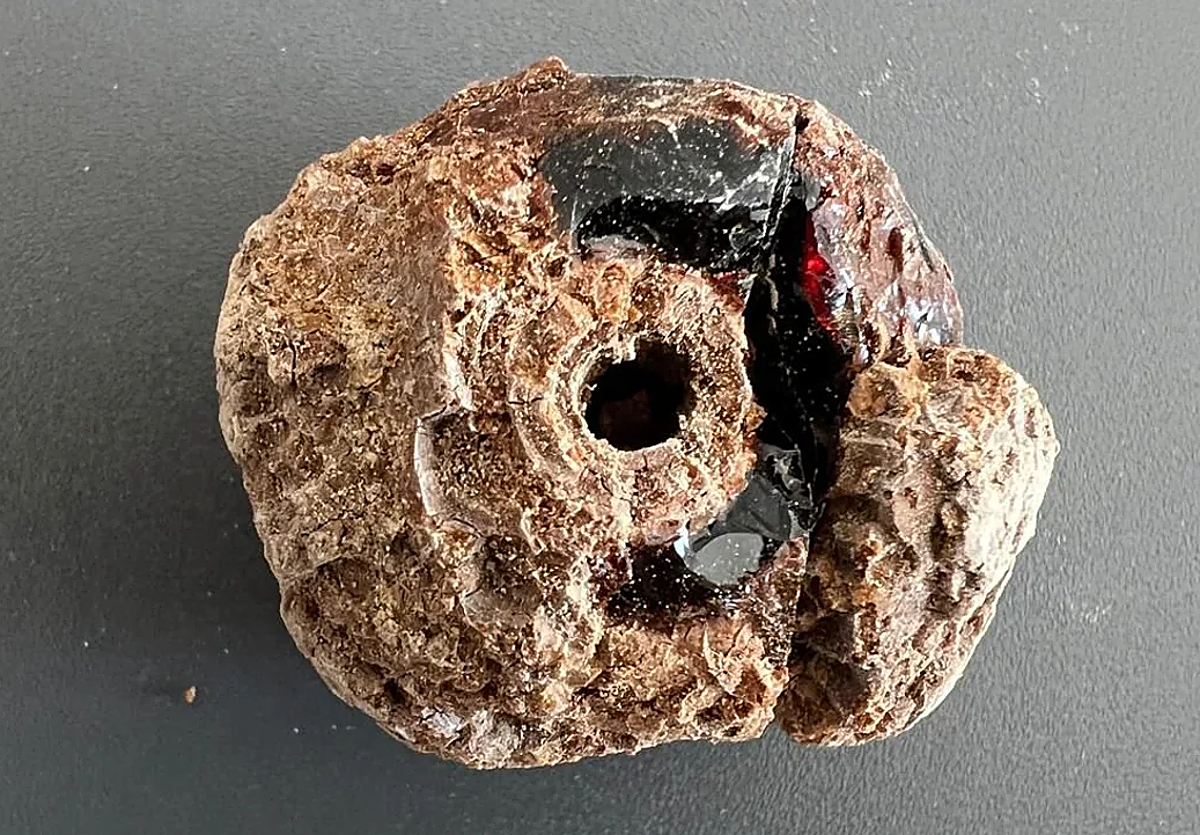
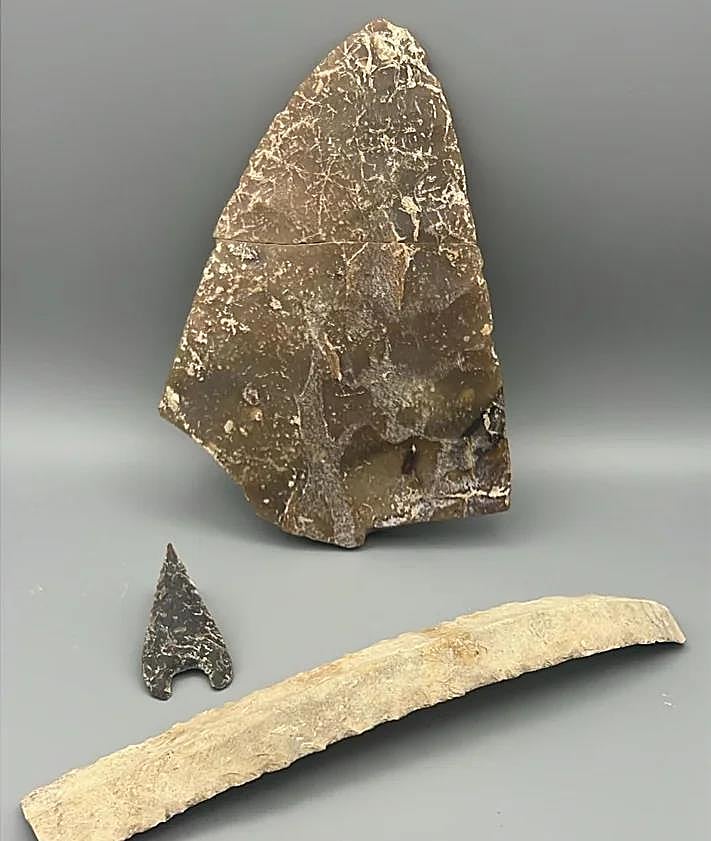
The interior of the tomb has proved as surprising as the structure itself. Archaeologists have found several ossuaries accompanied by prestigious grave goods (often personal items buried with the body) crafted from exotic raw materials such as ivory, amber and seashells. Added to these are sophisticated flint pieces: arrowheads, large-format flint blades and an exceptional halberd (axe blade topped with a spike and set on a long, wooden shaft). All these suggest advanced techniques in tools and weapons and the symbolic significance of such objects being buried with that person. For Vijande, the absolute value lies in the exceptional state of conservation: "It will allow us to learn in great detail about the lifestyles and beliefs of these communities."
"It will allow us to learn in great detail about the lifestyles and beliefs of these communities," says Dr Eduardo Vijande
The digs have also turned up some unexpected discoveries: the existence of long-distance contacts with other people and places. "The presence of seashells in an inland territory reflects the importance of the sea as an element of prestige and the existence of very extensive exchange networks," says Juan Jesús Cantillo, UCA professor and member of the research team. This connection between the coast and this inland site suggests organised communities of people, who were capable of maintaining much broader commercial and cultural relations than we gave them credit for at that time.
Educational space
Still, the project is not limited to scientific research alone. It also functions as an educational space for history students from the University of Cadiz. Each year they are given the opportunity to learn about archaeology in the field. This year, doctoral students such as Alejandro Muñoz and Jesús Corrales joined the fieldwork, along with a group of students who can now say that they got their hands on a five-thousand-year-old monument. A defining experience that strengthens the connection between academic study and getting your hands dirty.
None of this would be possible without the combined support provided. The excavation work is financed by Teba town hall, with collaboration from the Palarq Foundation for the archaeometric analysis and logistical support from the UCA itself. This joint effort highlights the importance of archaeological heritage and the need to preserve it as a symbol of our identity.
![[]](http://static.vocstatic.com/voc26/latest/assets/images/favicon/surinenglish/apple-touch-icon-57x57.png)