
Pet-friendly travel
Travelling with your dog in Spain? Follow the advice of this expert dog trainer
Searches for pet-friendly accommodation are on the rise on accommodation booking websites
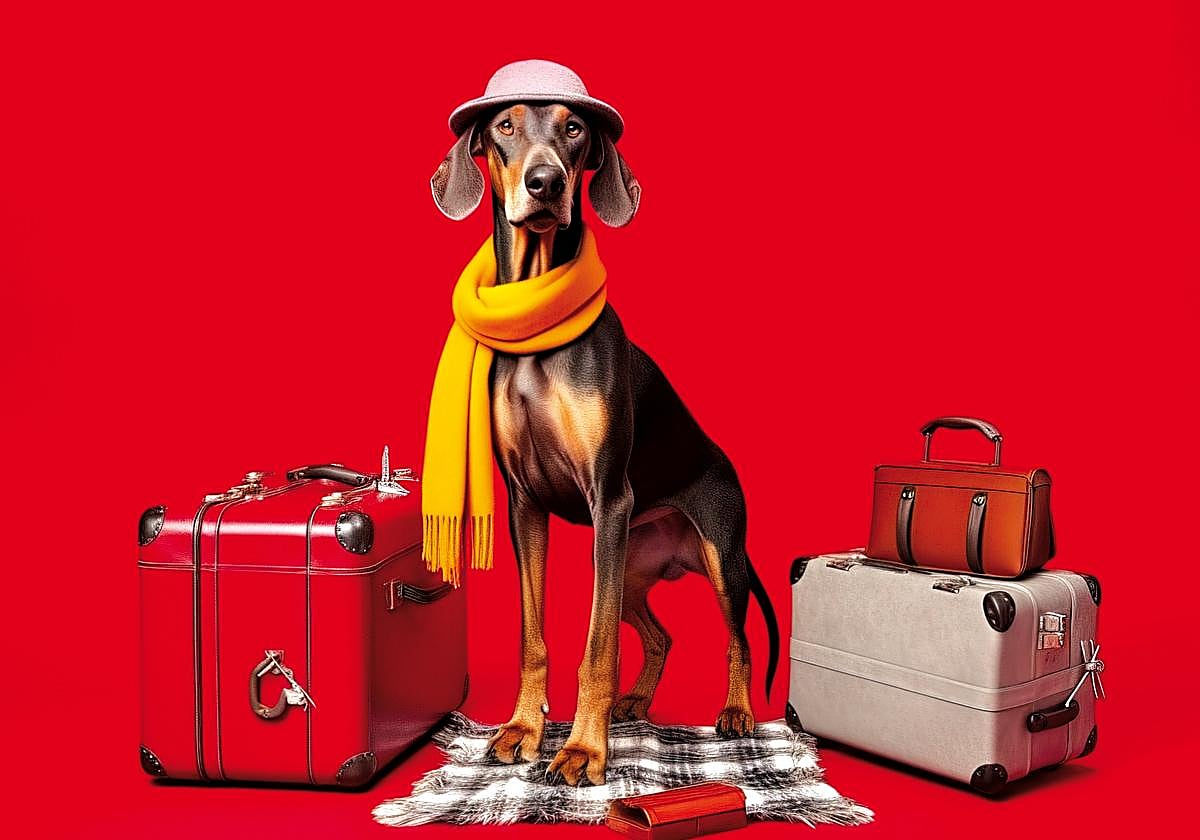

Pets are increasingly becoming indispensable travel companions and this is attested to by the latest survey carried out by Booking.com.
According to the accommodation website, one in three Spaniards would travel more often (and would do so to more distant destinations) if it were easier to take their dog with them. In fact 20 per cent of those questioned admit to feeling anxious about being separated from their canine companion and, among these, 42 per cent are worried that the animal will feel abandoned, suffer stress (30%) or change its eating habits (28%).
With these results, it is not surprising that searches for pet-friendly accommodation soared to 7.5 million during 2025 on Booking.com and rural houses have gained weight over hotels or apartments as they are more convenient for dogs. However, along with the complexity of finding a dog-friendly holiday destination, many owners also face behavioural problems inherent in taking their pet out of its comfort zone.
Dog trainer Hugo Fernández offers his advice on travelling with dogs. The first thing to consider, says the founder of 'En clave can' dog training centre, is to assess whether your pet is prepared for a trip: "Understanding the dog's emotional profile is fundamental. This includes identifying whether the dog tends to be protective, distrustful, reactive or if it enjoys social environments. For example, a dog with a protective tendency should not be exposed to places with lots of other dogs or people, as this exceeds its natural tolerance." The most common manifestations of stress are "excessive panting, hypervigilance, a tense body posture or difficulty resting", explains Fernández.
The expert recommends gradually getting your pet used to the sensory overload of a journey: "Show it the carrier as a safe space, make small movements and expose the dog to stimuli similar to those it will encounter (urban noise, pedestrians, new surfaces...). This reduces the stress response and improves the dog's perception of control. Of course, you can also work in your dog's favour by choosing destinations that are as unobtrusive as possible: "Natural spaces and quiet areas allow the dog to explore, relax and feel safe," Fernández points out.
In addition to the above, on the day of the trip we should try to be as calm as possible, continues Fernández: "The emotional state of the owner is essential, as they act as the main safety reference for the dog. Their sense of control increases as soon as we anticipate their needs and prepare a safe, portable environment, like taking their favourite blanket. It is also a good idea to bring their usual bed - if possible - to create a recognisable space at the destination.
Sleep and eating routines are crucial
One of the most common mistakes that people often make when travelling with their pets is to force them to make a significant change to their daily routine, which can take its toll. In this regard, the educator reminds us that "rest is a central biological need. During deep sleep and REM sleep, dogs process stimuli and regulate their emotional state. It is therefore essential to ensure quiet spaces for resting both before and during the journey, allowing the dog to choose its resting place. Similarly, food should be carefully managed, avoiding large intakes just before setting off.
The ideal time to feed your dog is a few hours before and on long journeys, to offer small portions at the usual times. Water should always be available and sudden changes in diet should be avoided to prevent digestive problems.
As to whether there are certain means of transport that are more convenient for dogs than others, Fernández considers that the differences depend more on the conditions of transport: "On trains and planes, the correctly adapted carrier is the safest option physically and emotionally, as it reduces stimuli and avoids unwanted interactions. In cars, the use of approved harnesses or specific restraint systems that protect the dog from braking or sudden manoeuvres is recommended".
As a final piece of advice, the expert recommends encouraging your dog to explore the new area by sniffing and voluntary social interactions. He also says it's important to look out for signs of stress once back home: "After the trip, behaviours such as pulling on the lead, barking, excessive licking or restlessness at home may appear. To facilitate this readjustment, it is recommended to return to the usual routine and provide chew toys and treats to help with emotional stress."
![[]](http://static.vocstatic.com/voc26/latest/assets/images/favicon/surinenglish/apple-touch-icon-57x57.png)