
City break
Past and present: Berlin's enduring international appeal
Whether visitors travel to German capital for its history, art, architecture or nightlife, everyone will find something captivating amid the city's fascinating contrasts
Emma Blanch
Named European culture capital before Paris, Berlin's charm is unmissable. Tourists flock from all over the world to come to Berlin for a plethora of contrasting motives. It's easy to categorise Berlin as a trendy, hippy city. But this is wildly oversimplifying its true cultural appeal. Berlin's sociopolitical history is deeply imbued in its art, architecture and popular culture.
First and foremost, Berlin is a history lover's dream. Famous historical sites are rife in the city, such as Brandenburg Gate, Checkpoint Charlie and the Rotes Rathaus (red town hall). The Memorial to the Murdered Jews of Europe is a striking architectural installation which represents the extent of the Holocaust's destruction.
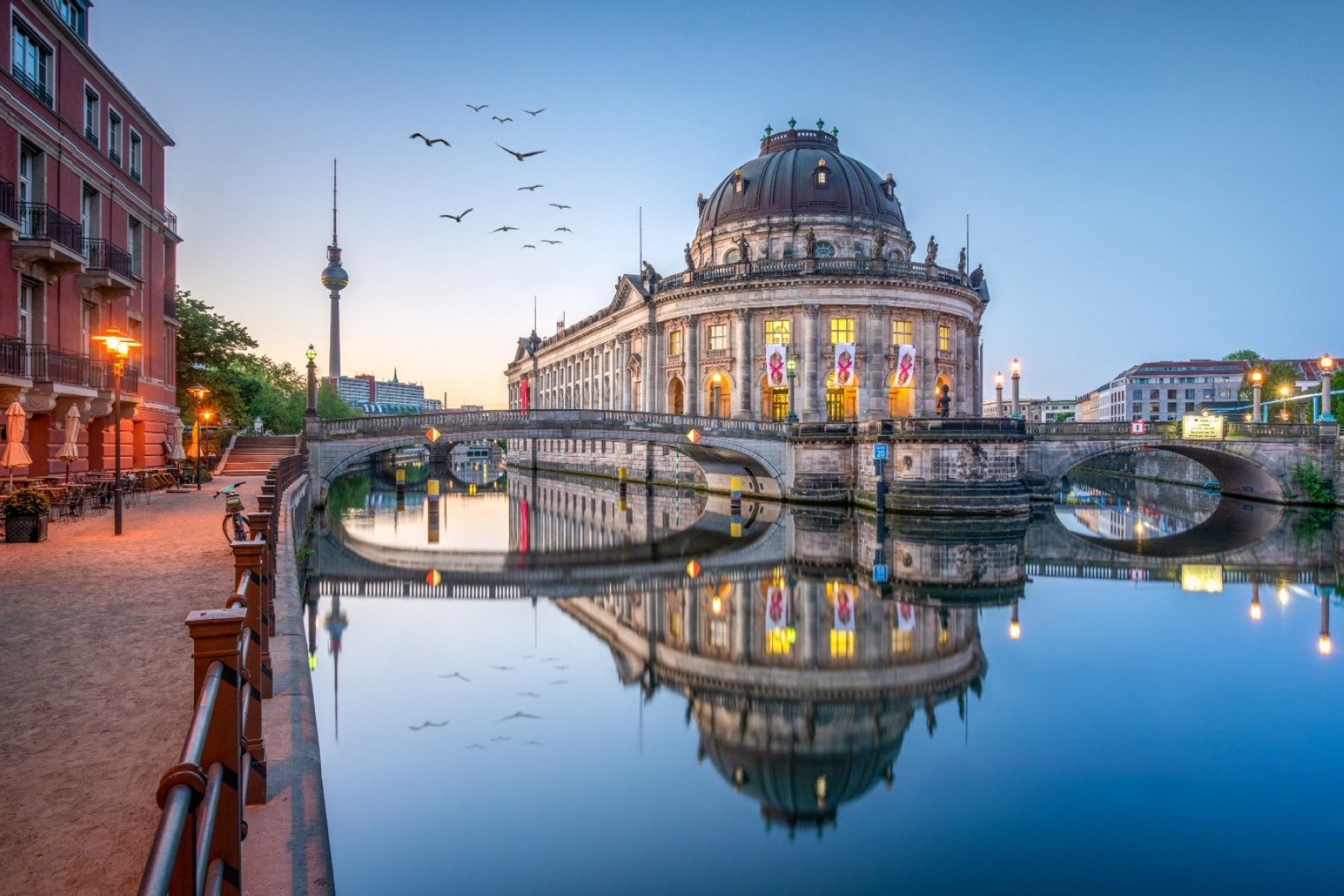
Museum Island is a must-see for a cultural tourist. The five museums span archaeology, history and art from Ancient Egypt, the Middle Ages up to contemporary exhibitions.
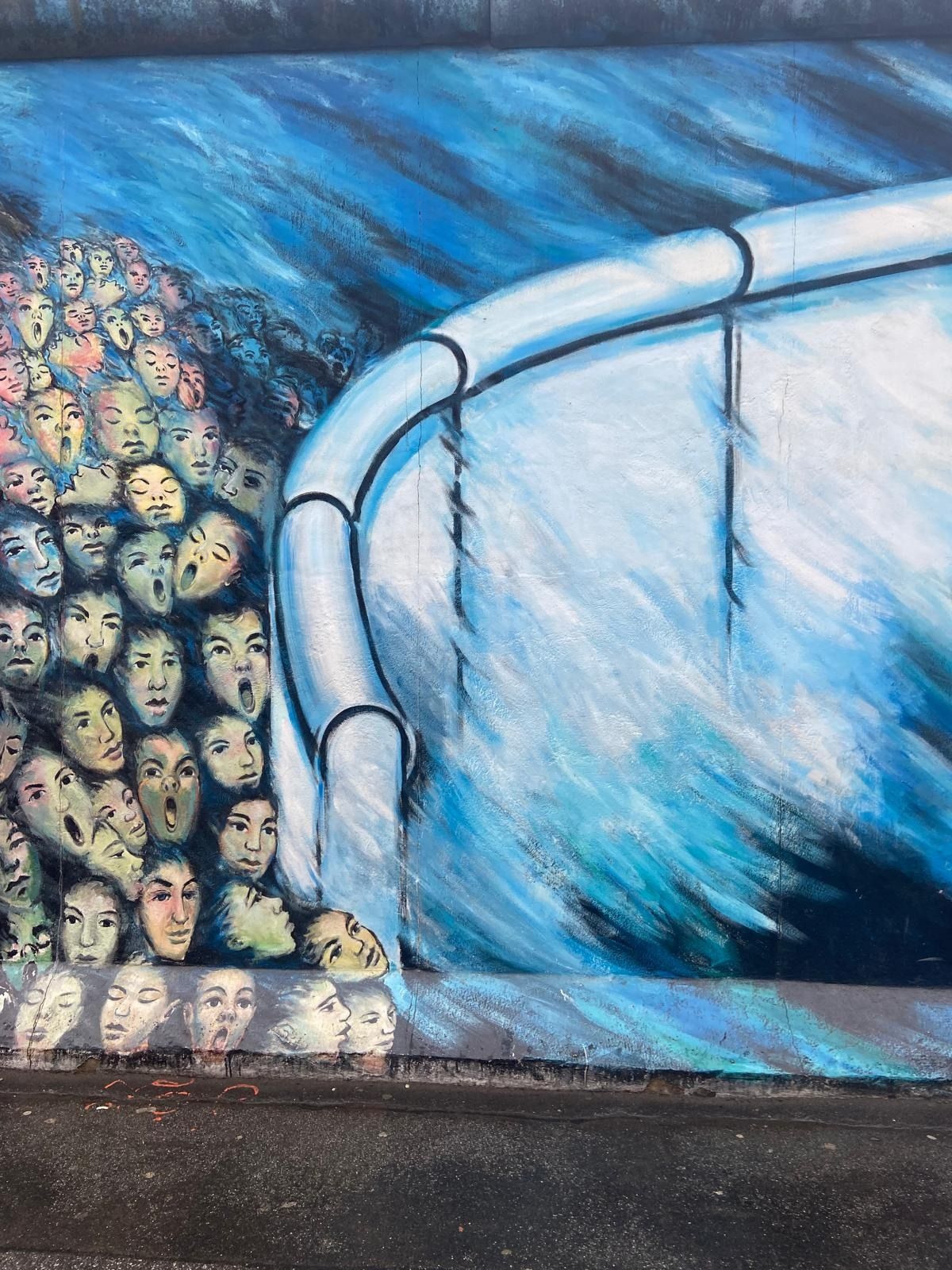
Embodying the theme of juxtaposition is the Berlin Wall. Formerly an imposing structure which split families in an occupied Berlin, the wall is now an eternal exhibition celebrating creativity. While most of the wall was knocked down to demonstrate regained unity, East Side Gallery remains. Colourful depictions of war, peace, love and hate adorn the grey, concrete slabs.
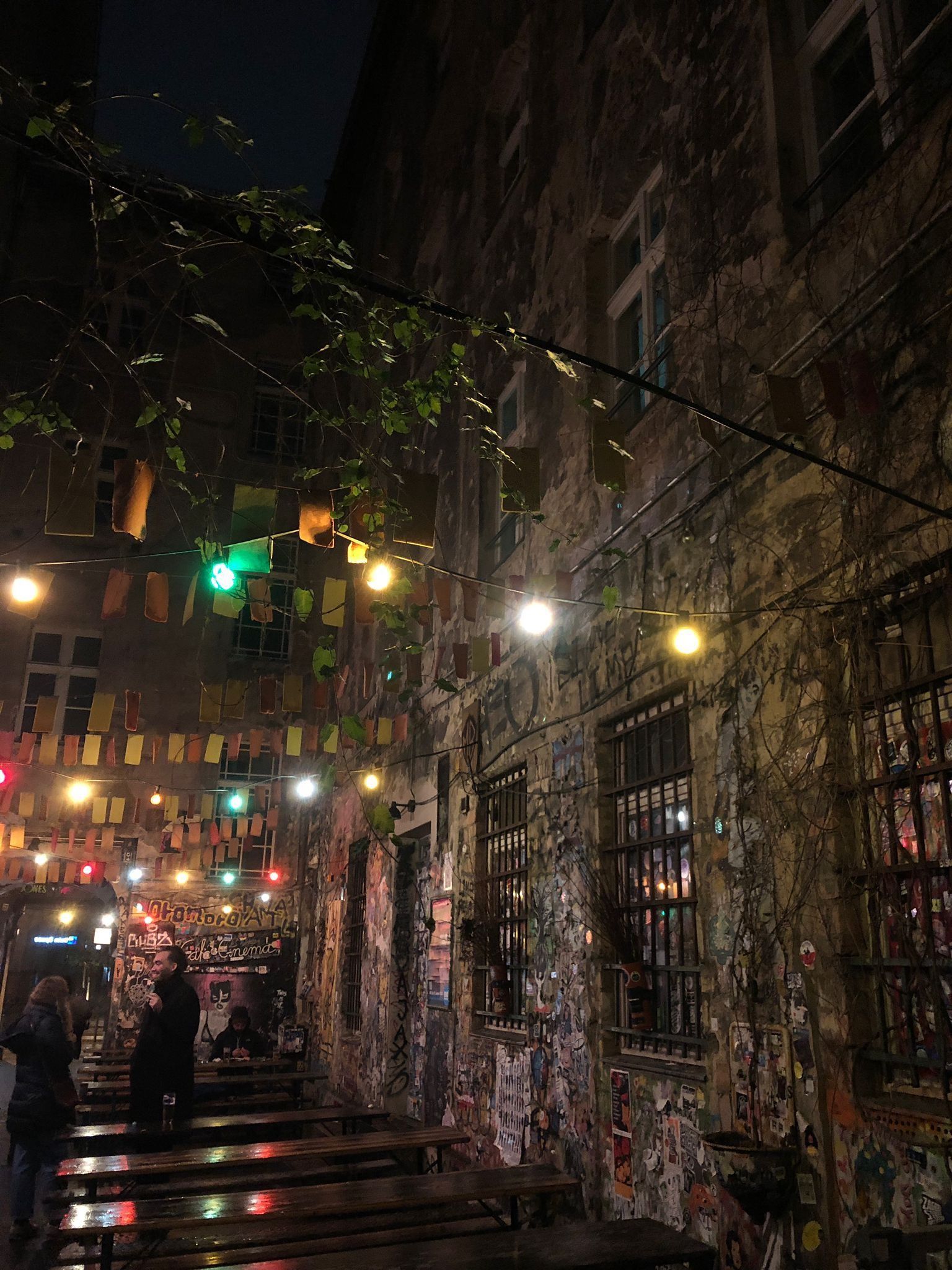
The art scene is characteristic of Berlin. Due to the Weimar Republic's funding for the arts in the capital, creatives flooded to Berlin in the early 1900s to share ideas in an affordable place to live. Just from walking around the city, activity in the art scene is palpable. The city is stamped with graffiti, stickers and posters - mostly bearing political undertones. Haus Schwarzenberg is central to the city's street art atmosphere - surrounded by bars and shops in Mitte, it's a meeting place for young, artistic people who share ideas by pasting or painting them up on the walls.
Fashion is another important aspect of Berlin's cultural identity. Characterised by yet another juxtaposing pair, the 'Berlin style' is about fluidity and queerness as opposed to practicality and functionality. Berlin Fashion Week (BFW) would be a great time to visit the city (in the last weeks of January and June, for winter and summer styles), delving into street-style and couture, seen on and off the runway. In keeping with German focus, BFW is set apart for its sustainable approach to high fashion. For tourists visiting at other times of the year, the range of flea markets are an accessible introduction to Berlin's realm of sustainable fashion.
Germany doesn't have the best reputation in fashion - seen as purely practical and potentially uninspiring - but Berlin is a hub for intriguing new ideas. Their signature 'fetishist fashion' was born out of an open gay scene during the Cold War and remains a strong symbol of freedom.
Exhibition spaces such as Brücke-Museum and Bauhaus-Archiv highlight the city's artistic divided signature. Dramatic Expressionism in Brücke compared to the minimalism of Bauhaus demonstrates the span of artistic styles brought together in the city.
Bauhaus and (post-) modernist architecture punctuates Berlin and meets with contradictory Baroque and Renaissance intricacies. As a Unesco City of Design, architecture is another of Berlin's unique attractions. Functionality and minimalism are characteristic of Bauhaus and modern German architecture and can be seen throughout the city in the Weißestadt and Humboldt University buildings.
On the contrary, the city is also known for ornate architecture, in the Berliner Dom, Charlottenburg Palace and Humboldt Forum. Also contrasting the historic architectural makeup of the capital is the array of bold new-builds.
Visible from any part of the city, the Berlin skyline is always marked by the futuristic Fernsehturm (TV tower). The Sony Centre, Potsdamer Platz and Alexander Platz are examples of neo-futurist style dotted around the city. Brought together in one building, the Reichstag is naturally emblematic of Berlin. Spanning over a century of architectural history, the parliament building began construction just after German unification and Berlin being crowned capital in the 1800s. Many renovations have updated the building, most recently adding the dome in 1999.
The futuristic, carbon-clad, glass addition meets the neo-Renaissance original to symbolise a newfound transparency within the German government following Nazism and the Cold War. The Reichstag, therefore, represents two juxtapositions: architecture reflecting the political climate.
Berlin is often described as a 'grey' city. While stunning parks and green spaces (such as the Tiergarten) split up the grey, it is true that there are many buildings built for function rather than aesthetics.
Much of Berlin's industry relied on factories and warehouses. However, in the postindustrial period, these warehouses fell into disuse and now house the iconic nightlife which Berlin boasts. The famed nightlife erupted from these unassuming buildings - their scale allowing for multiple floors of different music.
Exclusivity is a common feature of the Berlin club scene. Many establishments reserve the right to deny entry based on appearance and attitude. However, this exclusivity actually encourages inclusivity in the club. Judgement on the door means no judgement inside. As a queer capital, curating an open environment is key to Berlin's clubbing atmosphere.
Tresor - one of the city's longest standing clubs - was formerly a department store warehouse. In fact, it was Tresor owner, Dimitri Hegemann, who began discussions for a curfew-free Berlin. In a rebellion against postwar curfews, East and West Berlin began a contest for the latest closing time. In the end, West Berlin declared a no curfew policy, which the East joined after reunification. Berlin now always enjoys a 'young night' with clubgoers staying all weekend.
Whether visitors come to Berlin for its history, art, architecture or nightlife, everyone will find something captivating amid the city's fascinating contrasts.
![[]](http://static.vocstatic.com/voc26/latest/assets/images/favicon/surinenglish/apple-touch-icon-57x57.png)