
Andalucía escapade
Jerez de la Frontera: the seductive rhythm in the cradle of flamenco
This historic city's connection to this uniquely Gypsy art form is evident in abundance
Tony Bryant
Jerez de la Frontera
Located in the province of Cadiz in southern Spain's Andalucía region, Jerez de la Frontera is famed for its long-standing sherry winemaking tradition, its spectacular 'dancing' horses and its Formula 1 circuit, attributes that have continued to attract tourists from all over the world. Considered the most 'snobbish' city in Andalucía, it is also one of the main cradles of flamenco song. Those who study the history of flamenco (flamencologists) believe that the Santiago neighbourhood, an old Gypsy district that has produced some of the most formidable singers in the history of flamenco, is where the very first seeds of the Gypsy deep songs - cante jondo – sprouted. It was in these dilapidated streets that huge Gypsy dynasties cultivated their flamenco, like that of Paco La Luz (1839-1901), the patriarch of a family whose members are still at the front of the flamenco scene today.
Those who enjoy cultural tourism, and especially those who have an interest in Andalusian music and dance, will have plenty to see in this historic city. A wise first stop would be the Andalusian flamenco centre (Plaza de San Juan 1), which is located in an 18th-century palatial home that stands out for its Baroque-Rococo courtyard. This centre, the aim of which is to create programmes that promote the art of flamenco, houses documents and objects relating to this uniquely Andalusian art form. Visitors can tour a gallery of historic figures of flamenco singing, guitar and dance, and also obtain a map that lists the main flamenco sites in the city.
A monumental legacy
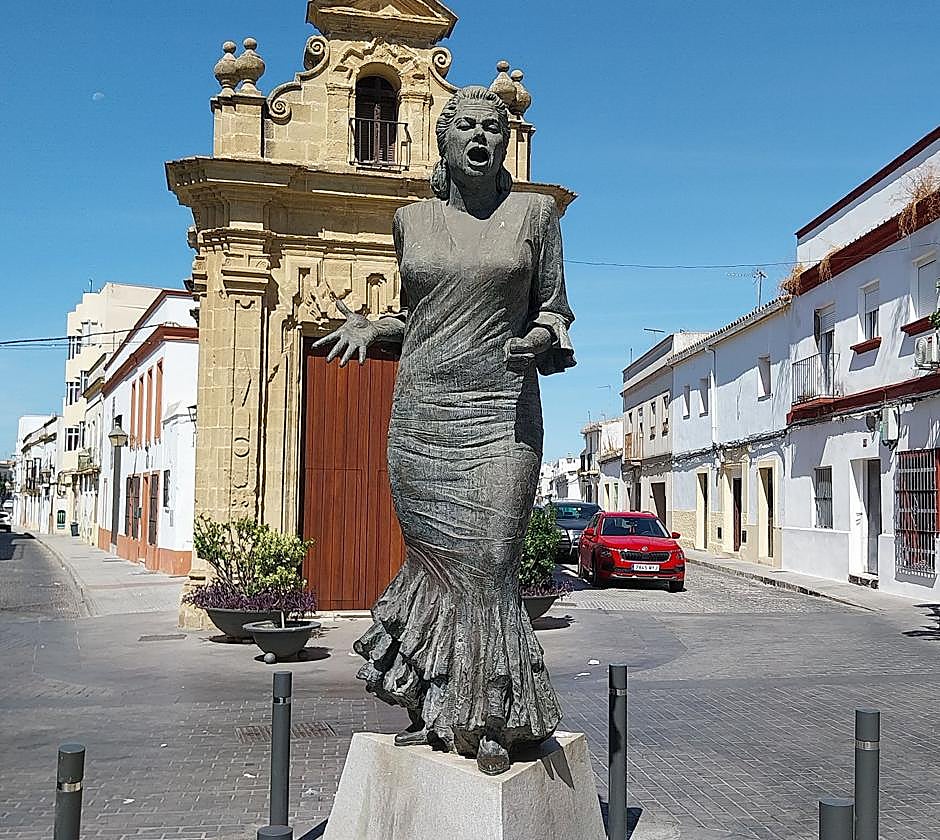
As with other towns and cities with a deep connection to this art, Jerez has preserved its flamenco legacy with monuments, statues and plaques dedicated to pioneering performers like Manuel Torre, who was born in the San Miguel district and who was considered one of the genre's greatest singers, and the most eccentric.
Unlike many of the other flamenco enclaves, Jerez city council has erected information boards in Spanish and English next to each monument, which will be beneficial to visitors who are not familiar with the Spanish language. Other monuments in this area include life-size bronze statues of La Paquera de Jerez, a singer who excelled in the fiesta styles, especially the bulería; and the legendary Lola Flores, one of Spain's most celebrated performers whose name is known all over the world. Also in the San Miguel district is a plaque on the former home of Don Antonio Chacón. Born in 1869, Chacón was one of the masters of flamenco song and also one of the most important figures in the creation and preservation of it. His undeniable contribution to flamenco, and the fact that he was the first singer to use Castilian, as opposed to Calo (Gypsy language), afforded him the prefix of Don, an honour which no other flamenco performer has received.
Those who want to absorb the traditional flamenco ambience of Jerez should head to the Santiago district, the oldest inhabited Gypsy area in Andalucía. This district remains much the same today as it has always been. At almost every turn there are monuments, like those of Tio Luis de la Juliana, El Terremoto de Jerez and El Sordera, along with peñas and flamenco taverns bearing the names of these masters.
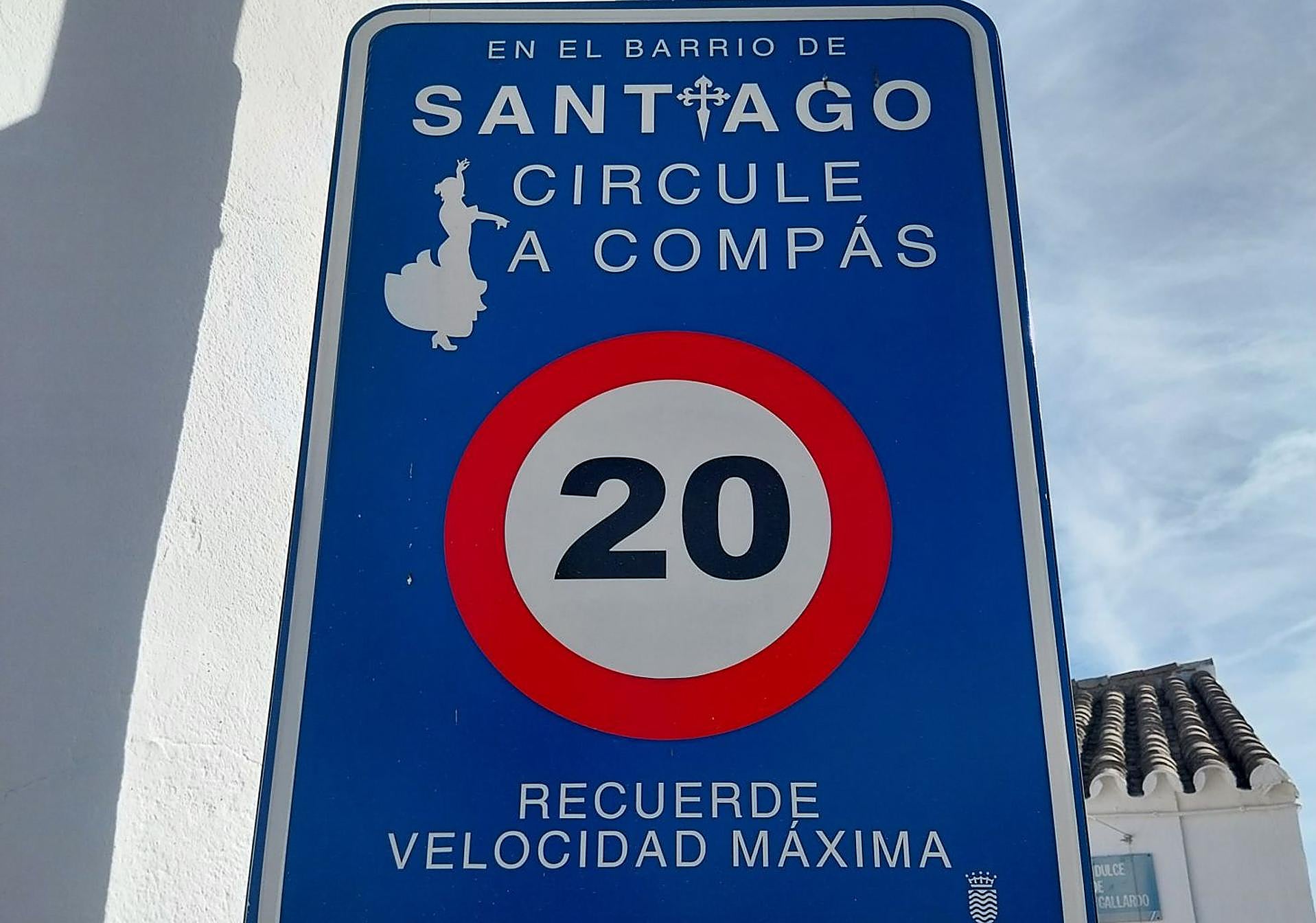
Even street signs make references to this area's strong connection to flamenco, especially with what is known as compás, which roughly translated means natural rhythm, something for which this area is synonymous.
The best way to end a day on Jerez's historic flamenco trail would be to head to one of the flamenco peñas, where, along with orthodox styles of singing and dancing, one can savour one of the city's famous fortified wines: the perfect complement to flamenco.
![[]](http://static.vocstatic.com/voc26/latest/assets/images/favicon/surinenglish/apple-touch-icon-57x57.png)