
Andalusian escapade
Cazalla de la Sierra: A natural enclave in Andalucía for those who want to switch off
Located in the foothills of the Sierra Norte natural park, the small town in Seville province is part of the Sierra Morena, bordering the Extremadura region
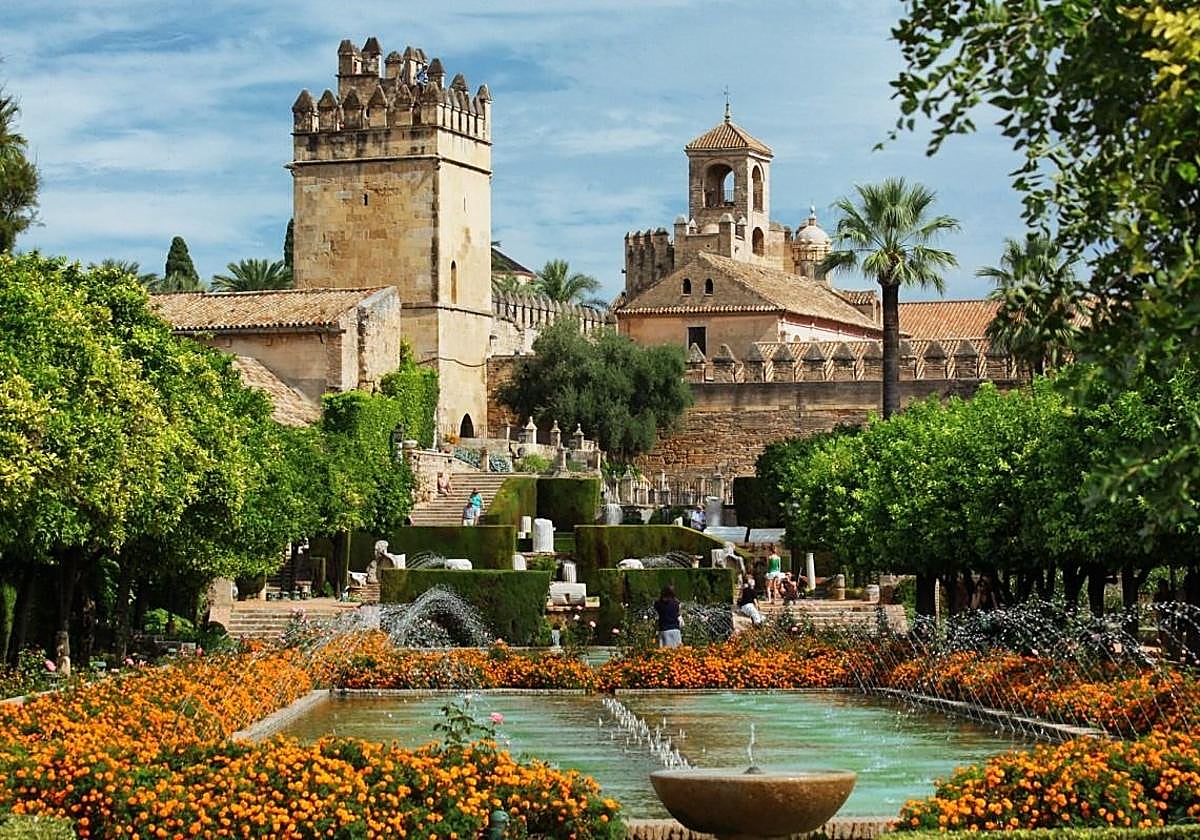
Tony Bryant
Cazalla de la Sierra
Cazalla de la Sierra, a small town in the province of Seville, is characterised by its natural environment and is ideal for nature lovers and those who want to disconnect from the 21st century. Favouring pleasant and mild temperatures in autumn, it is also a destination for those passionate about good cuisine due to the importance of hunting in the area and its long wine making and aguadiente traditions.
Located in the foothills of the Sierra Norte natural park, 80 kilometres from the capital of Andalucía, the town is part of the Sierra Morena, bordering the Extremadura region.
Cazalla is one of several judicial districts established in Seville in 1834, which includes the municipalities of Alanís, Almadén de la Plata, Cazalla de la Sierra, Constantina, El Pedroso, El Real de la Jara, Guadalcanal, Las Navas de la Concepción and San Nicolás del Puerto.
Surrounded by rugged mountains and rivers just waiting to be explored, the area is famed for the Iberian pig and everything related to it, along with both big and small game, including venison, rabbit and partridge. This area is also celebrated for its high-quality lamb, which is promoted by a cooperative of more than 600 farmers whose farms are within the natural park.
At the same time, mushrooms, asparagus and exquisite truffles stand out on many of the restaurant's menus, while confectionery occupies a relevant space, such as pestiños, a Moorish-style fried pastry flavoured with anís and honey; and roscos de vino, small sugary cakes cooked in wine and shaped like a ring doughnut.
The town is also famed for its award-winning artisanal cheeses, and the Cazalla Oliva brand of virgin olive oil, although it is most known for its production of aguadiente. The town was once renowned for its wine making tradition, as highlighted by Miguel de Cervantes, but the arrival of phylloxera in 1889 saw their cultivation abandoned, although today this tradition has been reinstalled. The town's enormous wine production, due to the quality of the vines, the climate and the composition of the soil, during the 15th and 16th centuries resulted in the distillation of the surplus to obtain the alcohol with which its famous aguadiente began to be produced. This alcoholic spirit continues to be manufactured, maintaining and conserving longstanding techniques. Visitors can enjoy a tour of the El Clavel distillery, which has retained the original copper stills that have been in production for over 200 years. During the tour, along with tastings, the entire manufacturing process is demonstrated in a unique setting that reflects the commitment to maintaining tradition and artisanal methods.
Cultural and architectural legacy
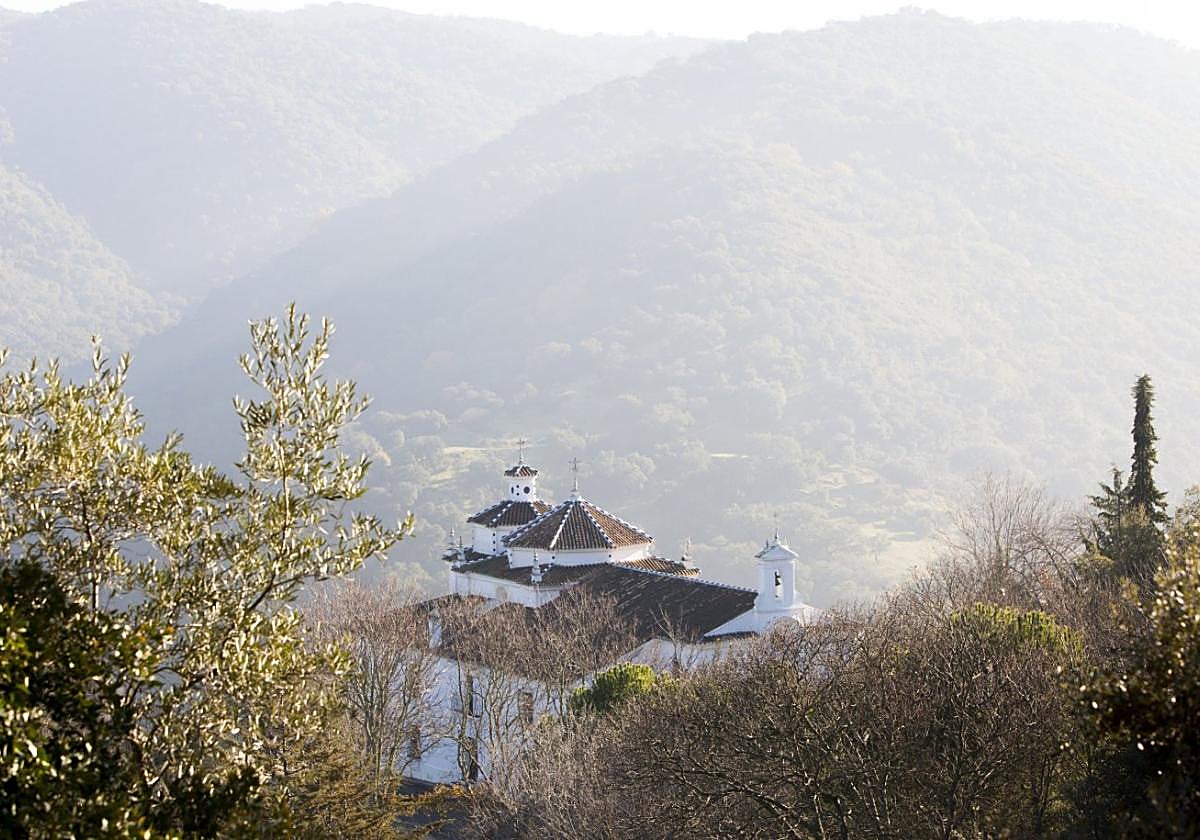
Along with a variety of restaurants, taverns and tapas bars where the local delicacies can be tried, the town has plenty of cultural and architectural sites of interest. These include the 18th century La Ermita de Nuestra Señora del Monte, a small temple dedicated to the town's patron, 'our lady of the mountain'. Situated high on a hill, it offers stunning views of the surrounding landscape and is a popular pilgrimage site for the faithful and visitors alike. It also has a large courtyard where various festivals and cultural activities dedicated to the Virgin are held.
Other places of interest are the Mudéjar style church of our lady of Consolation, the construction of which dates to the 14th century; and the stunning palace of San Benito, built in the Mudéjar-Gothic style. This delightful palace boasts a small bar with a striking Mudéjar-style lattice ceiling, the perfect spot to enjoy a cool drink after a tour of the charming gardens.
![[]](http://static.vocstatic.com/voc26/latest/assets/images/favicon/surinenglish/apple-touch-icon-57x57.png)