
Gardening in southern Spain
Torenia fournieri
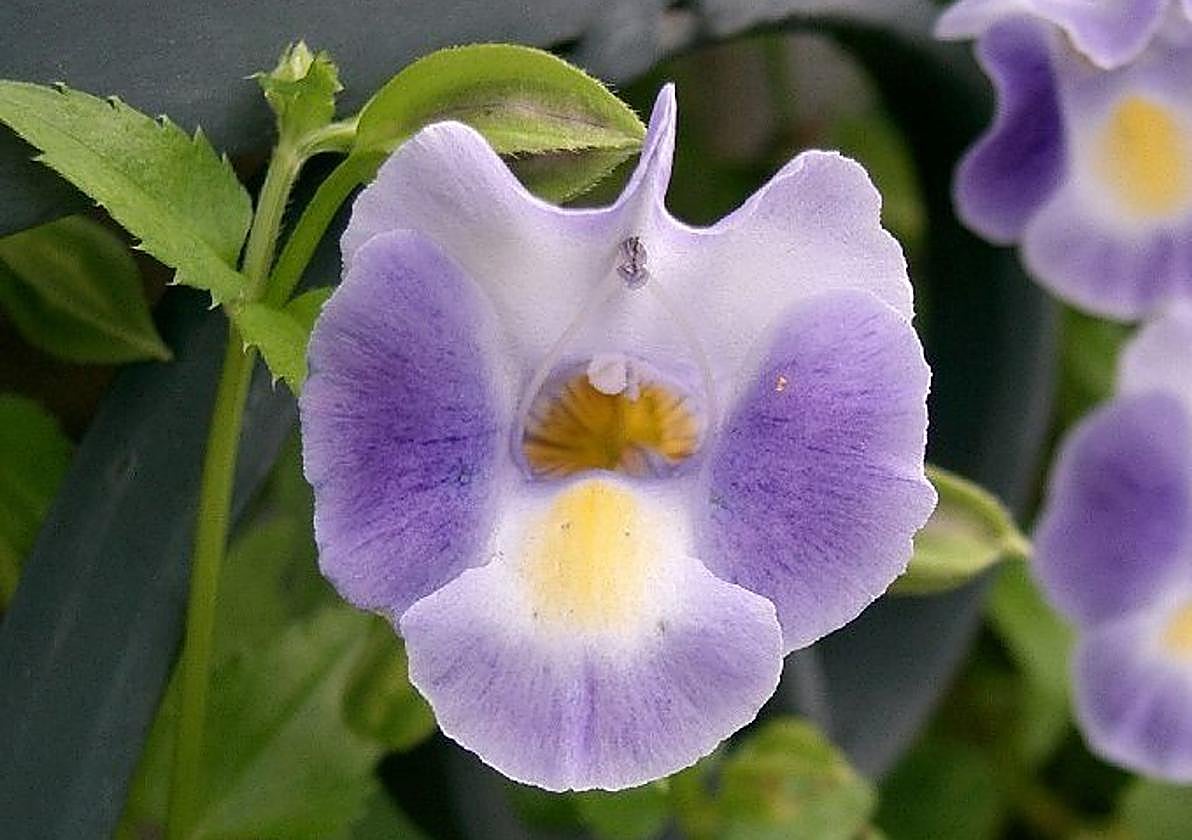
Torenia fournieri may look similar to a pansy at first but, unlike pansies, it will continue to flower as temperatures rise during the summer months, provided it has sufficient shade
Denise Bush
Torenia fournieri, more commonly known as the wishbone or clown flower, is a native of the tropical and subtropical regions of Asia and a member of the Linderniaceae family, which comprises around 15 species. It may look similar to pansies at first glance, but unlike pansies, it will continue to flower as temperatures rise during the summer months, provided it has sufficient shade.
The plant grows into a neat, rounded mound of around 30cm in height and has a slightly trailing habit, making it an ideal choice for hanging baskets and window boxes. It is tolerant of complete shade and, although generally grown as an annual, will survive year-round in areas where winters are mild.
Torenia begins blooming in late spring, producing delicate, trumpet-shaped flowers in shades of blue, purple and pink, often with touches of yellow. The common name "wishbone flower" comes from the shape of two stamens, which meet at the back of the flower's throat in a way that resembles a chicken wishbone.
The leaves are oval, around 5cm long, with serrated edges.
Torenia is a relatively low-maintenance plant, but it does have a few preferences worth noting. It thrives in a rich, loamy soil that is free-draining and preferably slightly acidic. A feed with a liquid fertiliser in early spring will give it a good start to the season, and pinching out the tips of the stems will encourage bushier, more compact growth.
![[]](http://static.vocstatic.com/voc26/latest/assets/images/favicon/surinenglish/apple-touch-icon-57x57.png)