
Gardening in southern Spain
Stenomesson miniatum
Stenomesson miniatum, commonly known as the Peruvian Amaryllis, is a perennial bulb native to the Andean forests of Ecuador, Colombia and Chile
Denise Bush
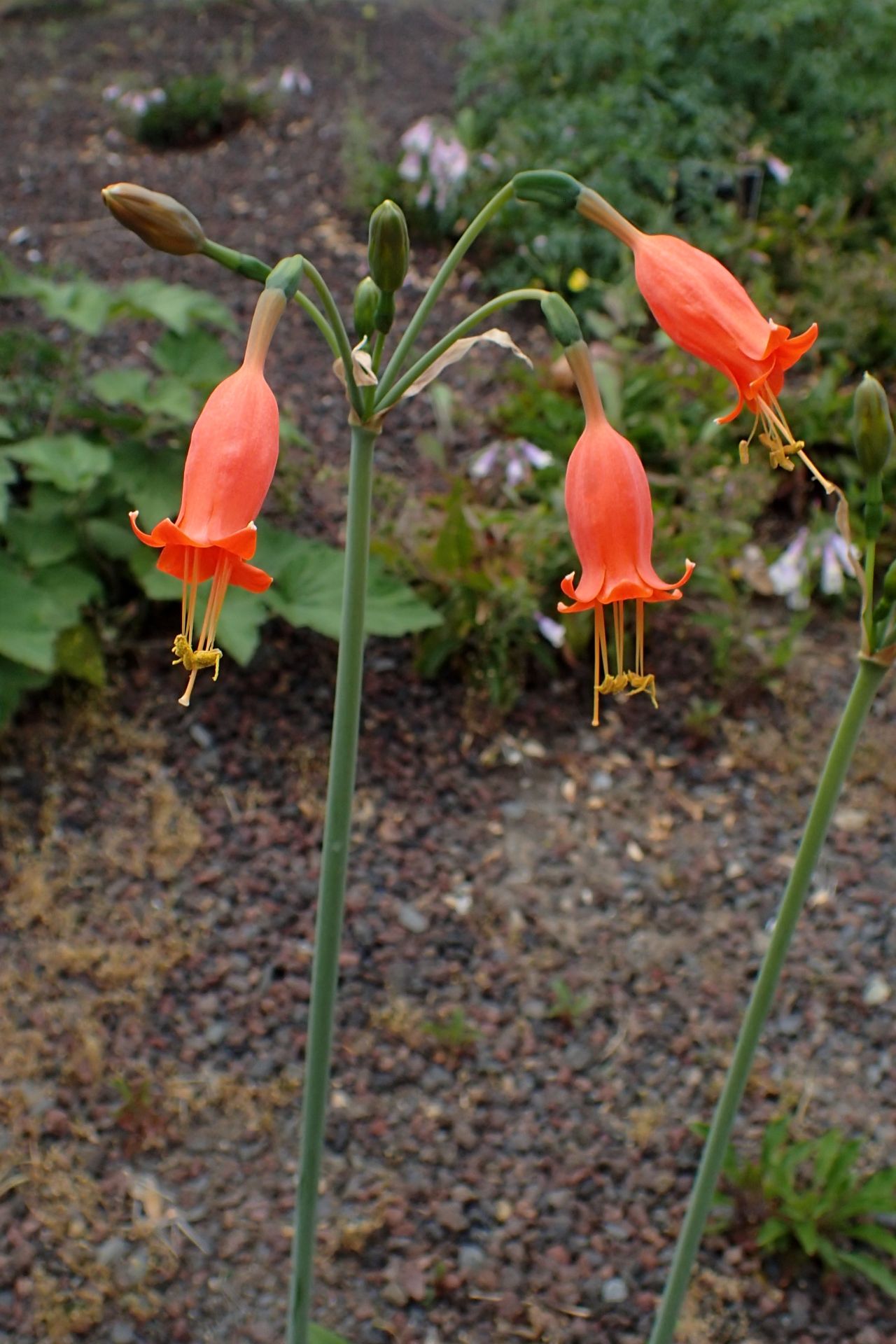
Stenomesson miniatum, commonly known as the Peruvian Amaryllis, is a perennial bulb native to the Andean forests of Ecuador, Colombia and Chile. This striking plant thrives in full sun or partial shade and prefers a loamy, well-draining soil, but it is important to take care with watering, as the bulb is highly susceptible to rot if over-watered.
The plant enters dormancy during the winter months and all watering should cease as soon as its strap-like leaves begin to wither. During dormancy, the compost should be allowed to dry out completely. Unlike many other bulbs, Stenomesson miniatum is not frost tolerant and, because it can take a couple of years to become established and flower reliably, it is best not to lift and store it. It can, however, be grown successfully in a pot and moved indoors to overwinter. In regions with milder climates, it can be planted directly in a border, container or rockery, where it will add a vibrant splash of colour once it blooms.
In spring and throughout summer, the plant produces tall, elegant stems, sometimes emerging even before the leaves appear. These stems are topped with umbels of vibrant orange or red tubular flowers, each around 3.5 cm long. The flowers are occasionally listed under the synonym Urceolina peruviana, a name that reflects their characteristic urn-shaped form.
To encourage optimal flowering each year, the plant benefits from a fortnightly feed of liquid fertiliser during its blooming period.
![[]](http://static.vocstatic.com/voc26/latest/assets/images/favicon/surinenglish/apple-touch-icon-57x57.png)