
Pet care
Pets can develop food allergies: how to recognise the symptoms
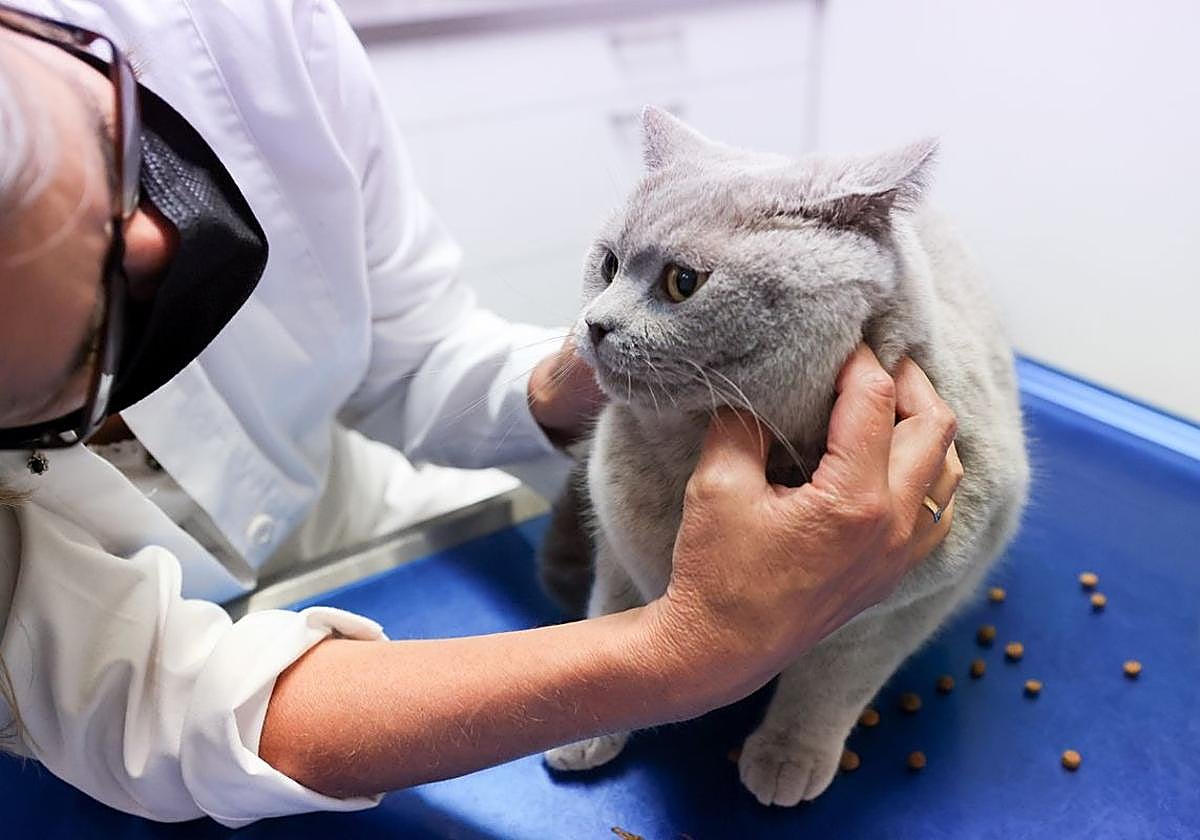
To determine which ingredient is causing the reaction, vets often recommend what is known as an elimination diet
DPA
Repeated skin rashes, inflamed ears or itchy paws can quickly worry any dog or cat owner. What's wrong with my pet?
The answer may lie in the food bowl. According to animal welfare experts, dogs and cats can also develop food allergies over time.
When this happens, the immune system mistakenly treats harmless protein components in food as a threat. The body responds by releasing inflammatory messengers that trigger unpleasant symptoms.
Common allergy triggers
According to animal welfare organisation Four Paws, food allergies are often caused by the following ingredients:
In dogs: Beef and lamb, poultry, cereals, dairy products
In cats: Beef, chicken, fish
Typical symptoms of food allergies
In addition to itching, rashes, recurring inflammation and loss of fur, these symptoms are typical of food allergies:
Dogs: vomiting, diarrhoea and flatulence
Cats: excessive grooming, frequent scratching/licking and sometimes open skin wounds
If you notice that your pet is suffering from symptoms like these, you should have this checked out by a vet - also to rule out other illnesses.
Identifying the culprit with an elimination diet
To determine which ingredient is causing the reaction, vets often recommend what's known as an elimination diet. This should always be carried out under veterinary supervision.
Initially, only a single source of animal protein is included in your pet's diet. Horse meat, for example, is a good choice as it is considered hypoallergenic.
Cereals and dairy products should be avoided in an elimination diet as they can also be potential allergy triggers.
"You may be able to choose food that also contains added carbohydrates such as sweet potato or parsnip," advises vet Sabrina Karl from Four Paws.
Dogs and cats should be fed for at least six to eight weeks following the elimination diet. During this time, the allergy symptoms should subside.
The most important rule to ensure that this plan works: "Snacking on other treats is absolutely a no-go during this time," says Karl.
Reintroducing foods step by step
Once the period is over, pet owners can add a second protein source and feed it for a few weeks. Do the symptoms return? If so, you are on the trail of the trigger.
If, on the other hand, the animal is doing well, owners can gradually add more protein sources until abnormalities reappear.
Once the problem ingredient has been identified, it should be permanently eliminated from the pet's diet.
The Four Paws experts advise owners to seek advice from their vet or animal nutrition specialists to ensure that, despite dietary restrictions, the pet continues to receive balanced and healthy nutrition.
![[]](http://static.vocstatic.com/voc26/latest/assets/images/favicon/surinenglish/apple-touch-icon-57x57.png)