
Influencers in southern Spain
Wilhelm Sundheim-Giese: A German business leader in Huelva
He settled in the Spanish city during the 19th century when many other foreign entrepreneurs saw its industrial potential
Jennie Rhodes
Huelva
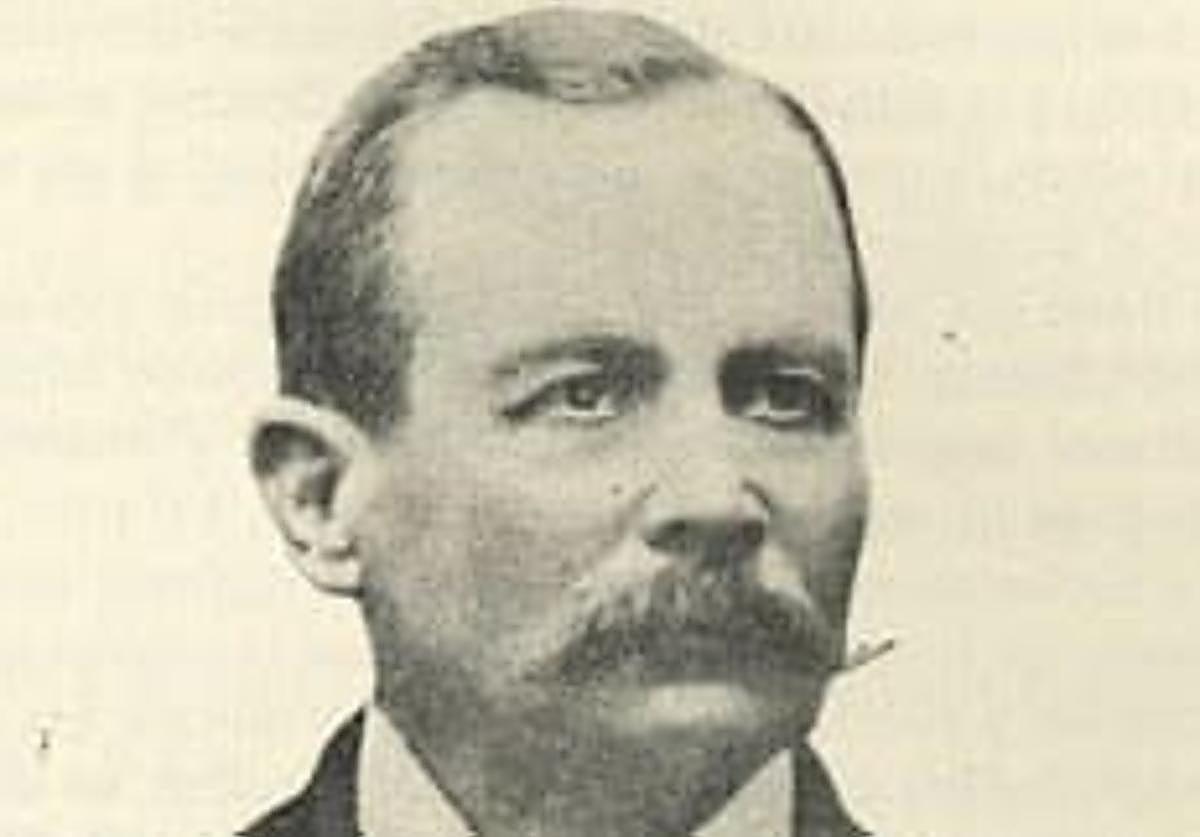
Alameda Sundheim in Huelva city is named after German entrepreneur Wilhelm Sundheim-Giese, who was better known in the city as Guillermo.
He was born in Giessen, north of Frankfurt, on 3 July 1840 and is widely regarded as one of the most important figures in Huelva at the end of the 19th century. He was responsible for part of the development and economic growth of the province, especially in finance, mining, and the railway and was part of the foreign bourgeoisie that settled in Huelva during the years of industrial expansion. He also served for several years as German consul in Huelva.
Wilhelm Sundheim-Giese was the son of Johann Carl Sundheim and Juana María Gertrudis Giese und Giese, from the Grand Duchy of Hesse-Darmstatt.
Aware of the great industrial potential of the Huelva area, he decided to move there in 1864, aged 24, and together with Heinrich Doetsch he founded the trading company Sundheim & Doetsch in 1865.
On 8 March 1866 Sundheim married Justa de la Cueva y Camporredondo, daughter of landowner Fernando de la Cueva y Cáceres, who was mayor of Huelva in 1865 and 1872.
The alliances he established with other foreigners allowed Sundheim to serve as an intermediary with foreign bankers for the purchase of the Río Tinto Mines from the Spanish state in 1872–73.
Sundheim & Doetsch were involved with the modernisation of the Port of Huelva and construction of the railway and Sundheim also owned vineyards and produced wines.
The German entrepreneur founded the first sailing club in Huelva in 1875 and was named an adopted son of the city in 1879. He died in Huelva on 7 August 1903, aged 63.
In December 2023 María Antonia Peña Guerrero, professor of Contemporary History and vice-chancellor of the University of Huelva, presented her biography of Sundheim.
![[]](http://static.vocstatic.com/voc26/latest/assets/images/favicon/surinenglish/apple-touch-icon-57x57.png)