
Foreign Influencers in Spain
Robert Capa: Capturing a brutal era of Spain's history
Considered the greatest combat photographer in history, the Hungarian photojournalist was in Spain covering the three-year Civil War from the frontline in Madrid
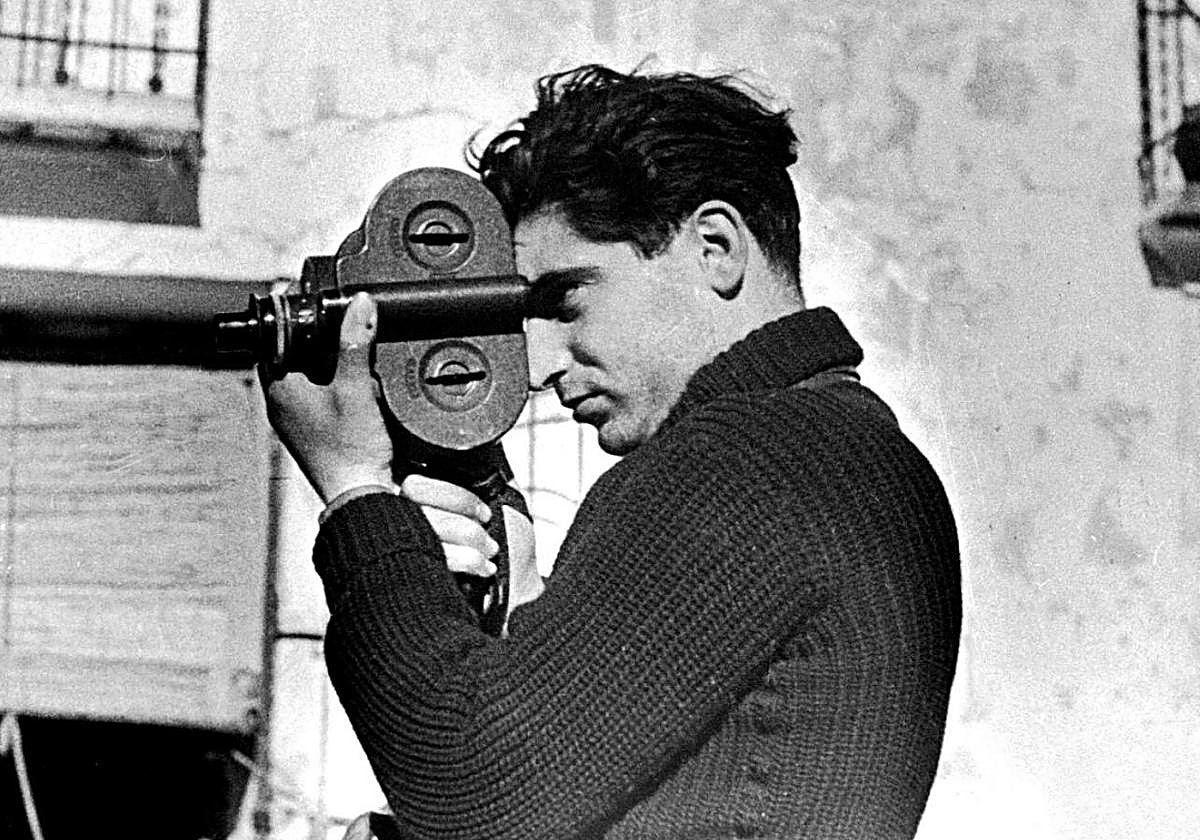
Tony Bryant
The historic photographs produced by Hungarian war reporter and photojournalist Endre Ernő Friedmann (1913-1954), better known as Robert Capa, during the Spanish Civil War (along with those of the other four pivotal conflicts he covered) secured his reputation as the greatest combat photographer in history.
Capa fled political repression in Hungary when he was a teenager, moving to Berlin, where he witnessed the Nazis' rise to power, which forced his move to Paris. It was in the French capital that he began to work with German photographer Gerda Taro, who became his romantic and professional partner and with whom he travelled to Spain at the start of the Spanish conflict.
Capa was in Spain during 1936 and 1939 covering the war from the frontline in Madrid, along with Polish photographer David Seymour and the then journalist Ernest Hemingway. Hemingway's reports about the war resulted in an article published in Life magazine, which was accompanied by many of Capa's photographs.
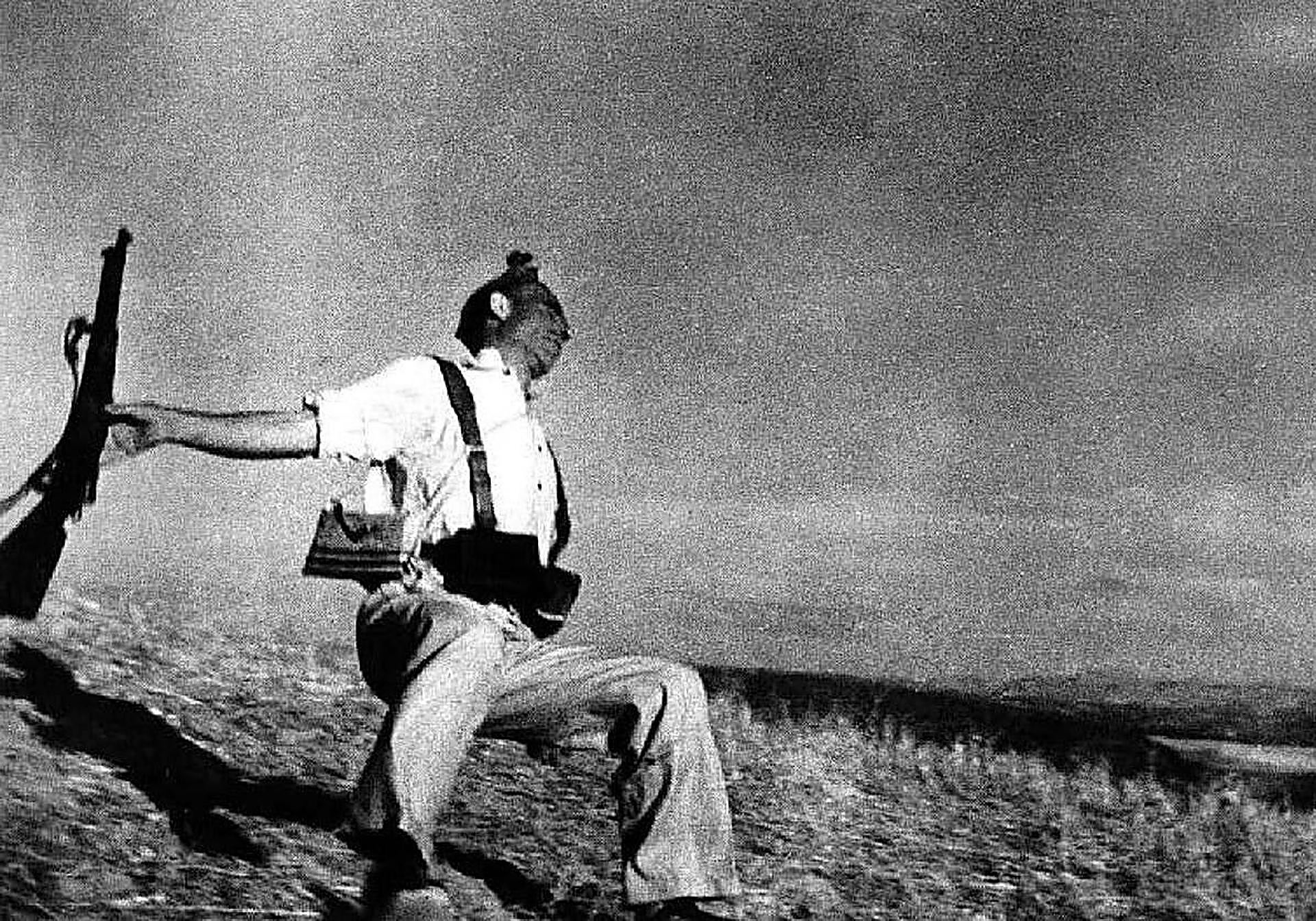
It was during this savage conflict that Capa produced the picture that became known as 'the falling soldier', which was published by several magazines, including Life. The photograph purportedly shows a Republican soldier falling to the ground with outstretched arms just seconds after being shot and killed, although the authenticity of the photo has since been questioned by specialists.
Capa's photographs of this chapter of Spain's history have appeared in numerous books, documentaries, and exhibitions. One such exhibition, 'Icons,' is currently taking place in Madrid, a city that honoured the photographer by naming a street after him. Icons presents archives from the Magnum Photos agency, which Capa founded. These works, originally published in magazines during the 1930s, 40s, and 50s, are described as "direct images of great testimonial value".
![[]](http://static.vocstatic.com/voc26/latest/assets/images/favicon/surinenglish/apple-touch-icon-57x57.png)