
Foreign influencers in southern Spain
Gustave Doré: Conveying a realistic image of Spain
The French illustrator's extraordinary drawings attracted much attention following his trip to the country with Jean-Charles Davillier in the early 1860s
Tony Bryant
Seville
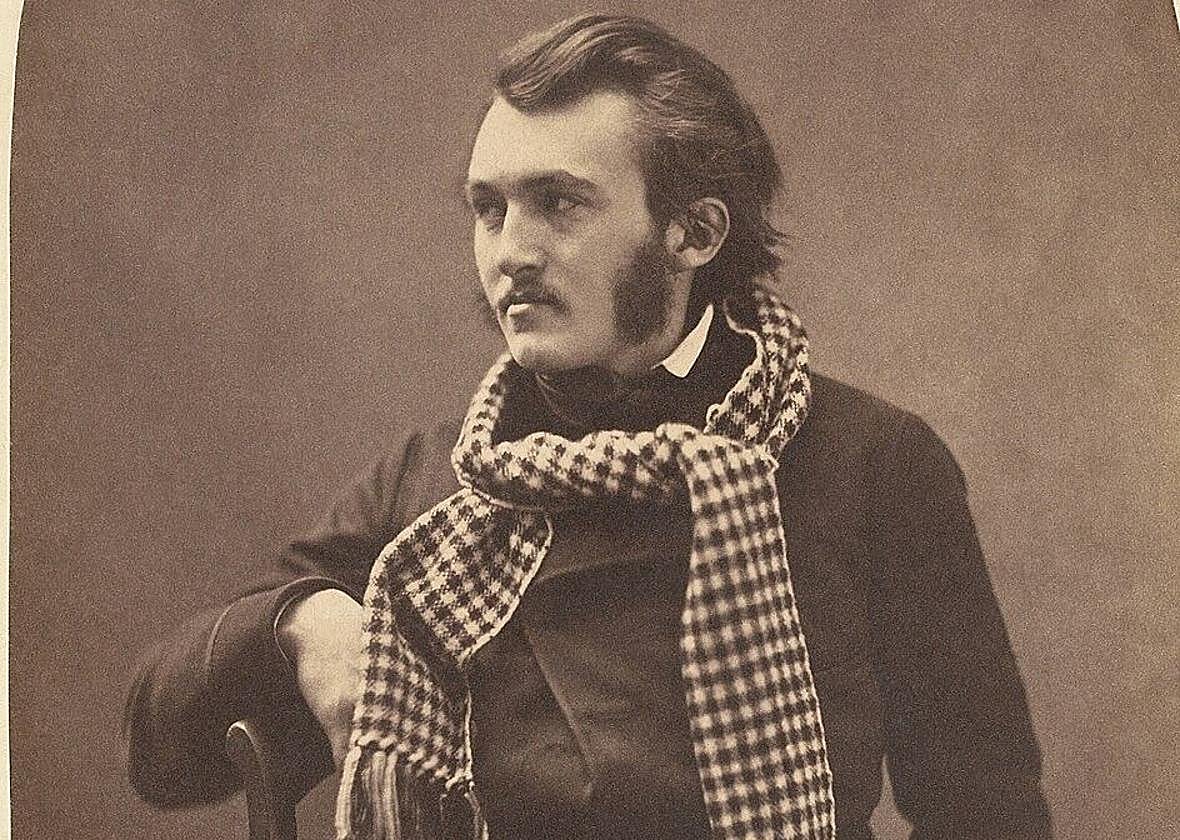
Born in Strasbourg in 1832, French illustrator Gustave Doré is best known for the prolific output of drawings that adorned the pages of classic literature in the 19th century. The illustrations he produced for the French version of Cervantes's Don Quijote became so famous that they influenced subsequent artists' ideas of the physical characteristics of the knight and his squire.
Doré's work was popular during his lifetime, though it received mixed reactions from contemporary art critics due to the stark reality of his illustrations. These drawings attracted much attention in Spain in the 19th century, following his trip to the country with Jean-Charles Davillier, both keen enthusiasts of Spain. The pair arrived in Seville in the early 1860s, and the illustrator's extraordinary artistic skill and Davillier's narrative impressions of the country were finally compiled in L'Espagne (1874): historians and academics generally agree that between them they produced one of the finest works of travel literature of the era.
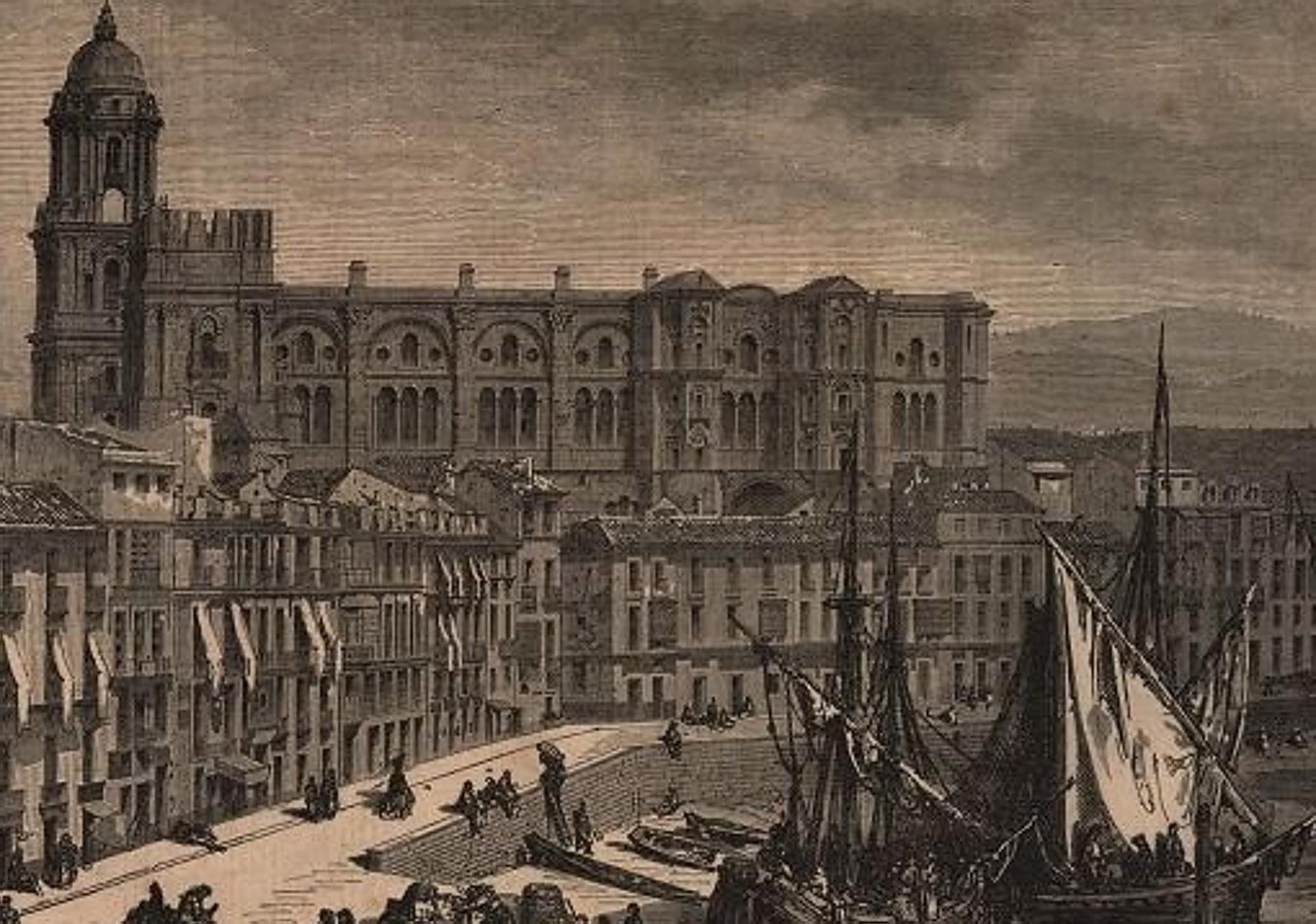
Doré spent around one year travelling in Spain, during which he set out to convey a real image of the country. Along with iconic sites, buildings and landscapes, the Frenchman captured typical 19th-century characters from all walks of Andalusian society, in particular, musicians, Gypsies and bandits. One of his most well known Spanish works is Cigarreras de Sevilla, an illustration of the cigarette girls made famous by Mérimée's Carmen. Another is Malaga port and the cathedral, produced around 1862. The latter, which offers an image in stark contrast to what visitors see in Malaga today, was included in the exhibition of Doré's works held in the Carmen Thyssen museum in the city in 2018.
His name is honoured with several streets in Spain, including those in Badajoz, Seville, and also in the Palma-Palmilla district of Malaga.
![[]](http://static.vocstatic.com/voc26/latest/assets/images/favicon/surinenglish/apple-touch-icon-57x57.png)