
Foreign influencers in southern Spain
César Vallejo: A deep and complex Spanish connection
A staunch communist, the Peruvian poet settled in Madrid in 1930, where he mixed in literary circles that supported the Spanish Republic
Tony Bryant
Malaga
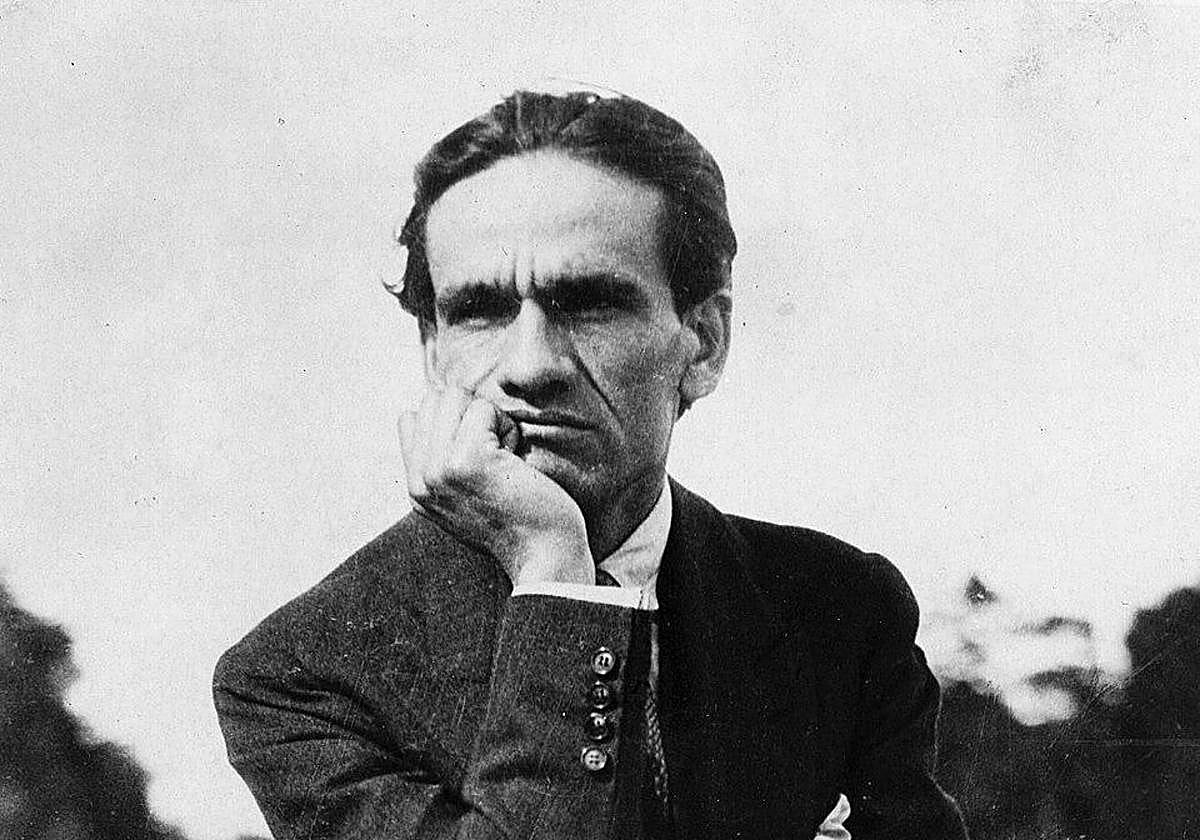
Numerous renowned foreign literary figures showed their support for the Republic during the Spanish Civil War, many of whom witnessed and actively participated in the political and social events that shook the country during the savage three-year conflict. Among the cohort of writers and poets who were outraged at the events that unfolded during the Nationalist's rise to power was César Vallejo, a Peruvian poet considered one of the great poetic innovators of the 20th century. Vallejo had a deep and complex connection with Spain, where he wrote some of his most important works, including parts of España, Aparta De Mí Este Cáliz (Spain, take this chalice from me), inspired by war. The poem's mixture of anguish and hope is said to reflect Vallejo's commitment not only to Spain, but to the universal struggles of humanity.
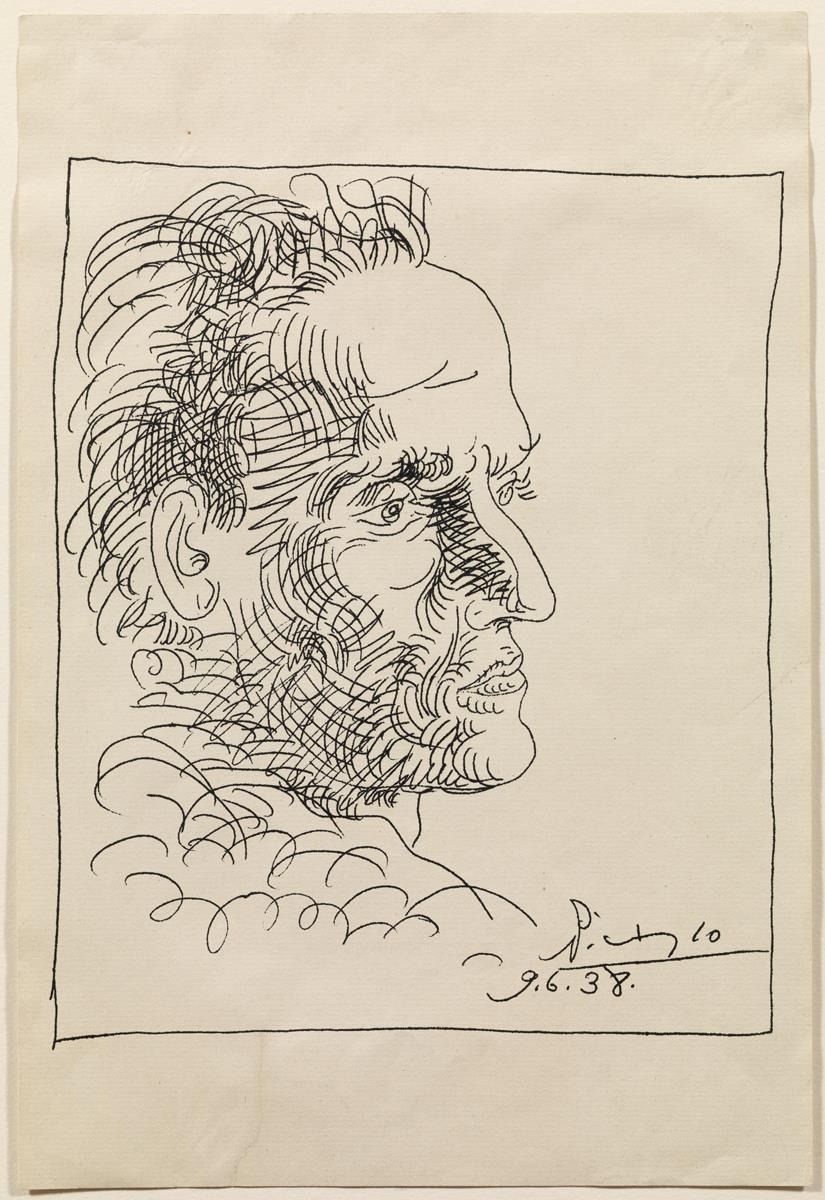
Born in Santiago de Chuco, a remote village in the Peruvian Andes, in 1892, he lived in Paris and Spain for much of his adult life. He first arrived in Madrid in 1923, but returned to Paris shortly after. It was in Paris that he met Picasso, who sketched a portrait of Vallejo that is now in the Picasso Museum in Malaga.
Vallejo settled in Madrid in 1930, after the Spanish government awarded him an author's grant. A member of the Peruvian Communist Party, he became increasingly politically active in the early 1930s and was deeply involved in literary circles that supported the Spanish Republic.
After constant serious health issues, which worsened in the last few years of his life, he died in exile in Paris in 1938.
His identification with the suffering of the Spanish people during the civil war has been recognised with streets and squares named in his honour in Granada, Malaga and Cadiz. Along with these honours, statues of the poet are found in Astorga (León) and in Barcelona. In 2019, a bronze bust was installed near the Peruvian consulate in Madrid.
![[]](http://static.vocstatic.com/voc26/latest/assets/images/favicon/surinenglish/apple-touch-icon-57x57.png)