
Gardening in southern Spain
Japanese raisin tree
Hovenia Dulcis has become popular as an ornamental shade tree suitable for temperate and sub-tropical climates
Denise Bush
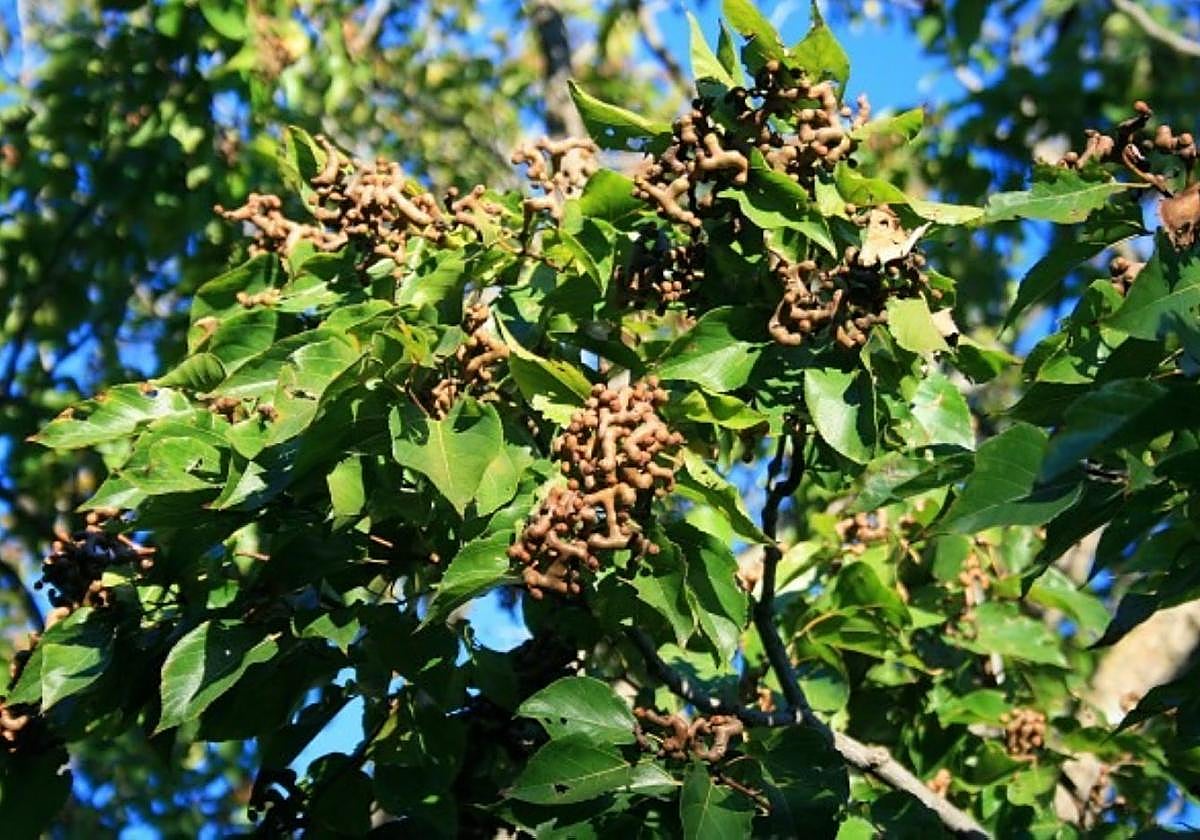
Hovenia Dulcis is a fast-growing deciduous tree native to China and East Asia, it is used commercially as a source of high-quality timber used in construction, furniture and tool making. It has also become popular as an ornamental shade tree suitable for temperate and sub-tropical climates.
Commonly called the Japanese raisin tree, it can reach six to ten metres in height, although it can grow taller in ideal conditions, with a width of approximately four metres. A member of the Rhamnaceae family (buckwood), the tree features large, shiny leaves and produces clusters of numerous small, scented flowers in spring that attract pollinating insects, particularly bees.
Unlike most fruit trees, the edible part of Hovenia dulcis is not the pea-sized hard fruits themselves, but rather the fruit stem (rachis), which swells behind the fruit. The rachis is said to taste of raisins, pear and cinnamon and can be consumed fresh or dried.
Hovenia dulcis is cold-tolerant and thrives in long, hot summers, provided it receives some shade. It is not completely drought-resistant and requires shelter from cold winds. While suitable for Mediterranean gardens, it does not tolerate excessive humidity.
Propagation can be achieved by scarifying the seeds found inside the hard shells once they have dried out and produce a rattling sound when shaken. Alternatively, the tree can be propagated from softwood or root cuttings.
![[]](http://static.vocstatic.com/voc26/latest/assets/images/favicon/surinenglish/apple-touch-icon-57x57.png)