
Health
The 'miracle' treatment Spain is missing: Adrián’s fight against rare Butterfly Skin Disease
The 22-year-old from Tolox has up to seven to eight hours of treatment daily. His family say that the drug Vyjuvek has been approved in Europe but Spain is still waiting
Julio J. Portabales
Tolox.
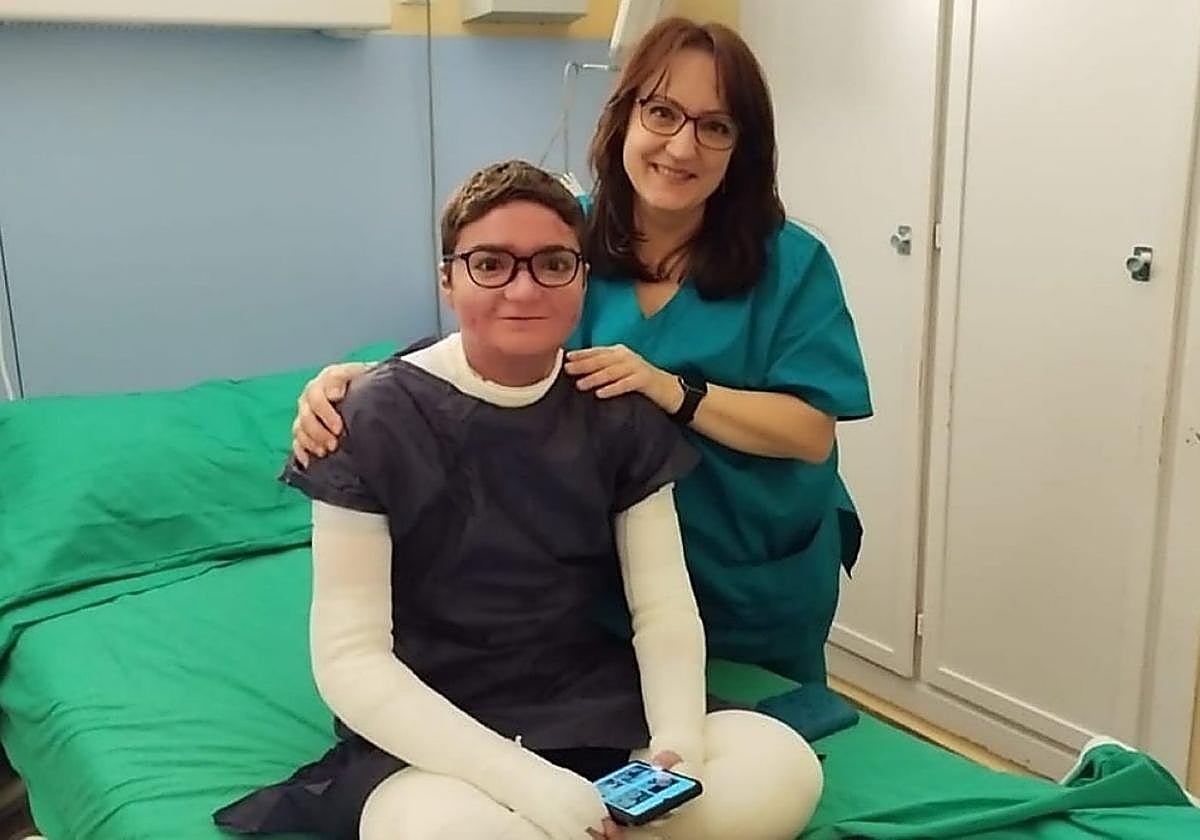
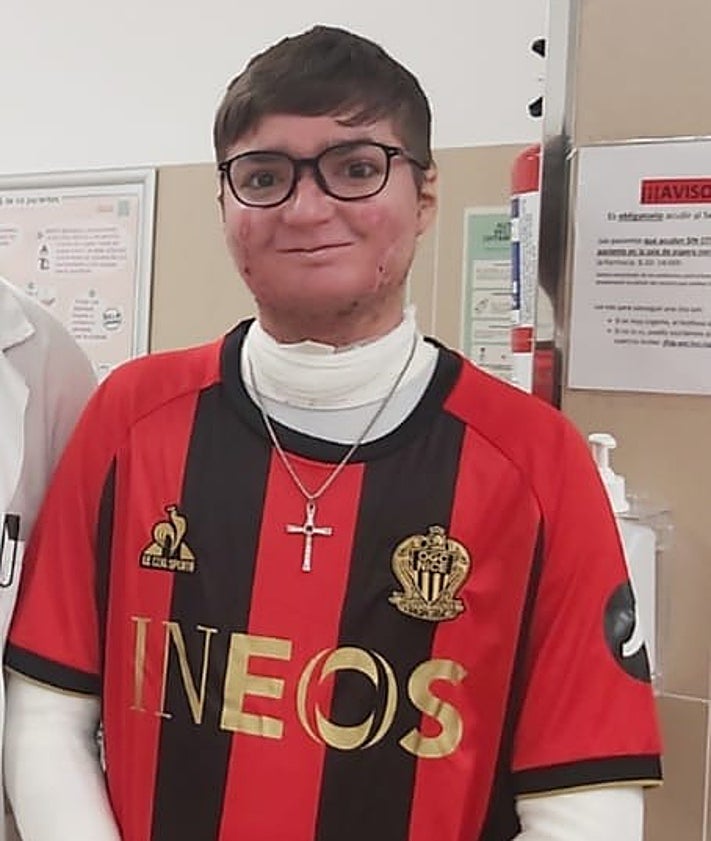
Adrián is 22 years old, lives in Tolox in Malaga province and suffers from dystrophic epidermolysis bullosa (EB), known as "butterfly skin" disease.
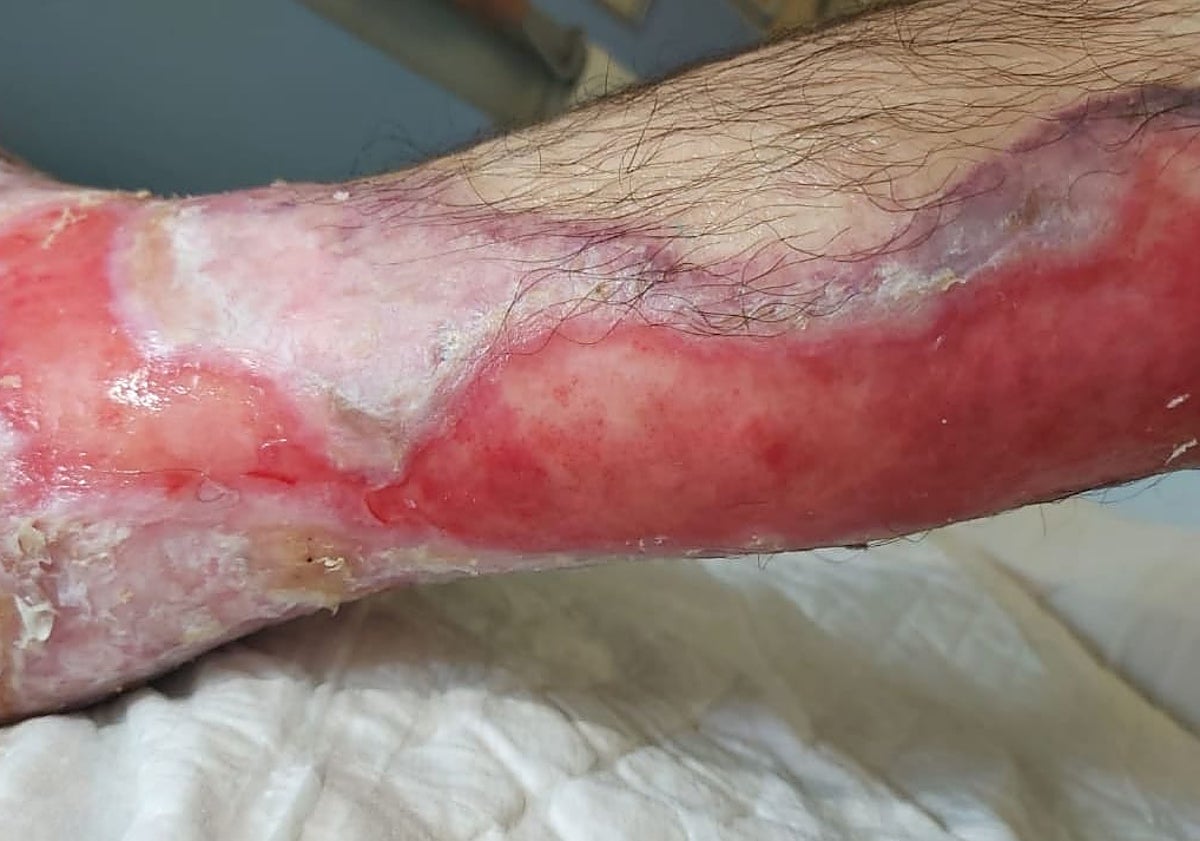
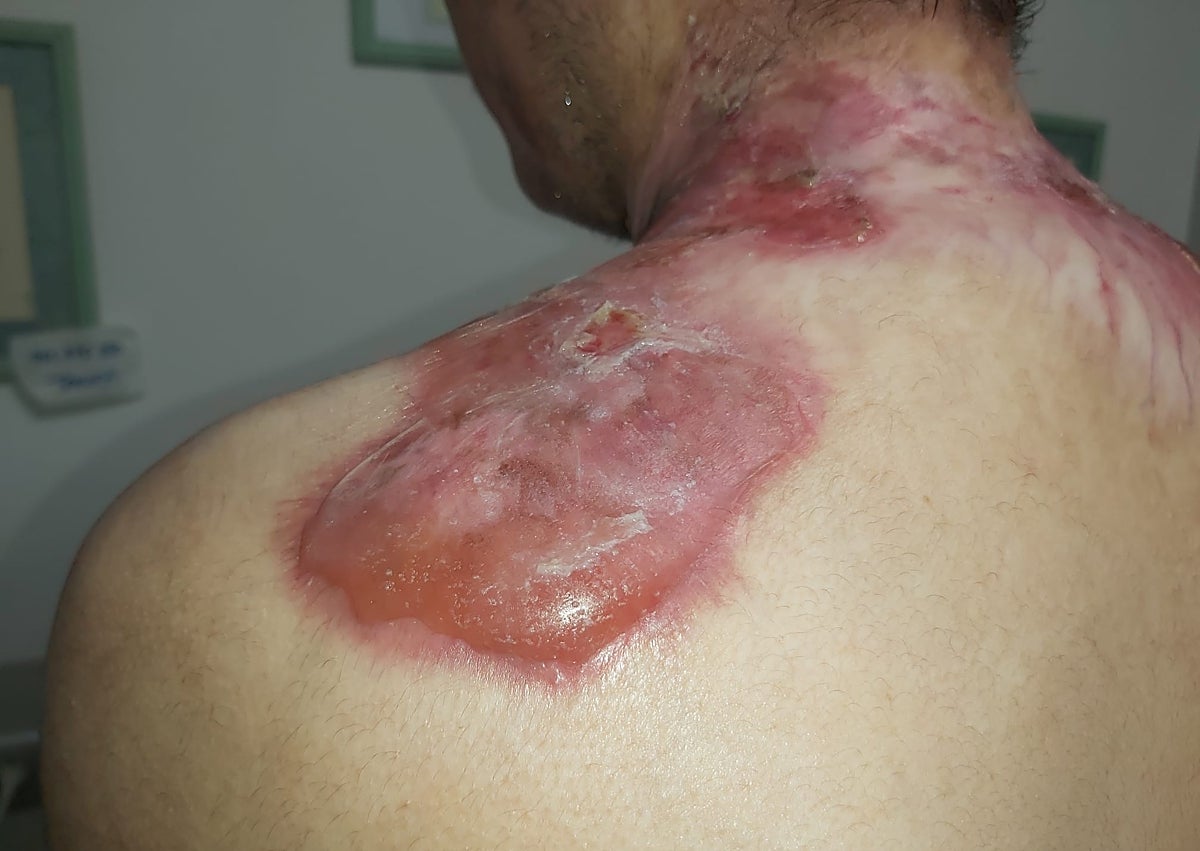
His daily life is marked by more than 80 open wounds and treatments that can last between seven and eight hours.
His mother, Virginia Cortés, says that at last there is a topical gene therapy called Vyjuvek, capable of closing wounds and keeping them closed for months, but she complains that Spain has not yet incorporated it while other European countries already administer it, something that has caused frustration and anger in the family.
Prior to Adrián's birth in 2004 his parents had no reason to suspect complications. But, as soon as he was born, he was wrapped in a blanket and rushed to another room.
A few hours later, a paediatrician approached the parents to tell them that they suspected that their son was suffering from a disease: butterfly skin.
"I could hardly touch him or breastfeed him. We honestly thought he was going to die because it was almost impossible to feed him," his mother recalls.
Butterfly skin is a rare condition that people are born with and which causes extreme skin fragility. In people who suffer from it, the skin does not hold together as it should and any rubbing, however small, can cause wounds and blisters.
Dressing, walking or showering can be very painful. As a result, people living with the condition need daily treatments that last for hours and live with open wounds for much of their lives.
Early years
Adrián's early years were not easy for him or his family. The nappies themselves stuck to his skin and, in order to remove them, it was necessary to bathe him and keep him soaking for some time. During those years, the help of Debra, the butterfly skin association founded in Marbella, was essential for the parents to learn palliative care and how to deal with the disease.
At the same time, Virginia Cortés and her husband discovered, after several tests, that they were both carriers of the gene responsible for the disease.
Several years later, and after undergoing pre-implantation diagnosis treatment, an in vitro fertilisation with prior analysis of the embryos, they had twins, now 16 years old, younger siblings of Adrián and free of the disease.
"We had to explain to them that they could not grab him, push him or run near him. We acted as a protective shield, but little by little they learned and now they are very aware."
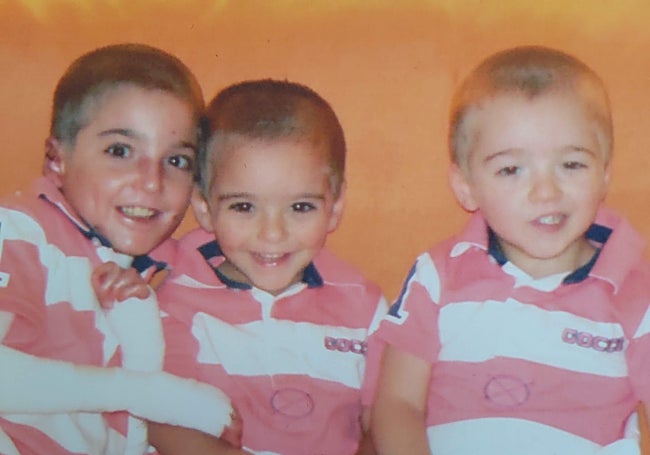
Such is their involvement that, together with his parents and a nurse, they help with Adrián's daily treatments.
These treatments can easily take up to eight hours between two people, but are reduced with the help of more hands, allowing different areas of the body to be treated at the same time.
"The whole body is bandaged except the face and head. And you have to remove the bandages very carefully, because if you pull hard you can tear the skin off," says Virginia.
Today, Adrian tries to live as normal a life as possible, although it is not an easy task. With more than 80 open wounds, each at a different stage - healing, infected or inflamed - he lives with the disease on a daily basis.
He is currently unable to eat because of the narrowing of his oesophagus due to the wounds, so he needs a nocturnal feeding pump.
Even actions as basic as brushing his teeth are very difficult.
University
Even so, the young man from Tolox is currently in his final year of a teaching degree with English Studies at the University of Malaga. He is enrolled part-time and has a volunteer support student who helps him to open the computer, take notes or provide him with them on days when he cannot attend class for medical reasons.
"We have always dreamed and asked for a miracle, that one day there would be a treatment," explains Virginia Cortés.
That "miracle" could materialise in the form of Vyjuvek, a gel that is applied topically, directly to the wounds, and which would allow them to close. The family describes it as "an unprecedented medical breakthrough".
It is a drug developed exclusively for dystrophic epidermolysis bullosa bullosa, the most severe form of the disease and the one Adrián suffers from.
According to his mother, the gel introduces the missing collagen into the cell, allowing the skin to remain closed for months or even years. "He can go from having 80 wounds to having half or even fewer," she says.
Virginia Cortés explains that, according to information provided by Debra Spain, the European Commission - through the European Medicines Agency - approved the treatment in April.
European legislation establishes a deadline of 180 days for countries to incorporate approved drugs into their health systems, a period that has already been exceeded by far. Eight months have passed and the drug has still not arrived in Spain.
Adrián's mother says she knows of several European countries that already administer it, including Germany (the first to do so), Italy, France, Serbia and Moldova.
"In a developed society such as ours, the fact that an essential life-saving medication is not available is appalling," she says.
The Andalusian regional ministry of health has told SUR that it is fully aware of the clinical and family impact of dystrophic epidermolysis bullosa bullosa and understands the concern of these families.
They have also reported that the drug Vyjuvek has European authorisation, but its incorporation into the ordinary use of the national health system depends exclusively on the national ministry of health, through the state procedure for setting the price and deciding on public funding, which has not yet been completed.
Medication access
In the meantime, and provided that the clinical team considers it appropriate for a specific patient, access via foreign medication may be considered exceptionally, in accordance with Royal Decree 1015/2009, subject to authorisation by the AEMPS (Spanish agency for medicines and health products), also under the ministry.
Virginia, for her part, is moving heaven and earth to get the treatment to her son in time, before amputations or serious infections occur. She has spoken to the Andalusian regional health minister, who assured her that he would "study the case", and has sent letters to the health minister and the head of state, King Felipe VI.
"I don't know who else to write to," she says. "I'd go to the gates of hell and ask the devil, if I had to," concludes Virginia Cortés.
She speaks from the desperation of a mother who has been living with her son's pain for 22 years and who is not willing to give up.
Her only request is that the Spanish health system acts as quickly as other European countries. Because, in her case, every day she waits means new wounds. And because time, for Adrián, also hurts.
![[]](http://static.vocstatic.com/voc26/latest/assets/images/favicon/surinenglish/apple-touch-icon-57x57.png)