
Health
Seven out of ten people affected by restless legs syndrome are women
More than 5,000 people in Malaga province suffer from this condition due to iron deficiency and pregnancy or heavy periods
José Antonio Sau
Malaga
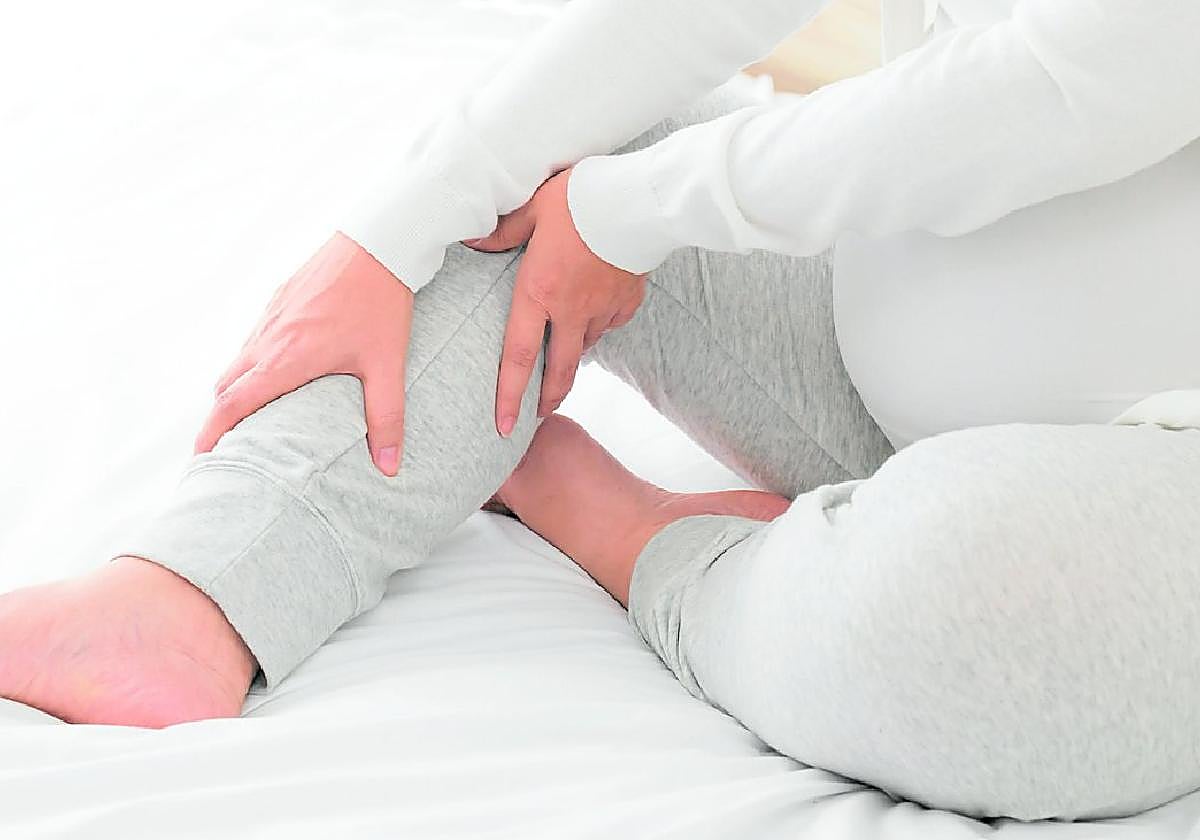
Restless legs syndrome (RLS) is a neurological condition characterised by an irresistible urge to move one's legs due to tingling or itching sensations, pain or general discomfort. Symptoms usually appear or intensify when inactive. Moving provides relief. Symptoms typically occur late in the day, preventing a good night's sleep. There are over two million RLS sufferers in Spain, 30,644 in Andalucía and 5,011 in Malaga. Of the latter, over 70% are women, according to data from SAS (Andalucía's regional health authority). For many, RLS starts during pregnancy or when experiencing heavy periods, when the female body lacks iron.
The Spanish Society of Neurology (SEN) notes that, for all age groups, "the prevalence in women is double that in men. It is common in conditions that generate iron deficiency or metabolic disorders, as with pregnancy or heavy menstruation or any situation associated with low iron levels". Between 11%-30% of symptom-free women before pregnancy develop RLS during pregnancy, usually the first trimester. While symptoms generally disappear after birth, they can reappear in subsequent pregnancies or become chronic over time for over half these women.
Under-diagnosis of RLS
The Junta recognises under-diagnosis for this chronic neurological disorder. Also that it causes serious sleep disturbance and functional impairment, affecting patients' quality of life. "Despite its high prevalence, it continues to be a condition that is scarcely recognised in the healthcare, social and occupational settings."
RLS is most prevalent in the 45-65 age groups, although 294 children in Andalucía have it too, 19 aged under four. Of the 30,644 RLS sufferers across Andalucía, 7,512 are in Seville and 5,011 in Malaga, the top two provinces for RLS.
SEN's estimates assert that over 90% of cases have yet to be diagnosed. Up to 10% of the adult population and 4% of under-18s could have this disorder. SEN suggests under-diagnosis is most noticeable in children, "as symptoms tend to appear very discreetly and sporadically at the start, so, until they worsen, they are usually attributed to growth or other disorders such as ADHD". Likewise, symptoms are often easily confused with rheumatic diseases or circulatory disorders. In Spain, some cases took over ten years to be diagnosed.
Iron deficiency
Iron deficiency: one of the contributing factors to RLS onset, though not the only one. However, its genesis is currently not well understood, although 65% of patients have a family history and it is definitely associated with other diseases (chronic renal failure, diabetes, certain neuropathies...).
"RLS not only affects physical health, but also has a significant impact on the patient's mental and emotional health. Up to 60% of people with RLS have difficulty even sitting up or relaxing. It's an extremely common cause of insomnia or poor sleep quality, which does not improve with classic treatments, and where taking certain drugs can lead to a worsening of symptoms. For this reason, anyone with sleep problems should ask themselves about these symptoms, as we have very specific treatments available to address this condition," explains Dr Celia García Malo, coordinator of SEN's research group on sleep disorders.
In her opinion, " the initial purpose of diagnosis is to select the most appropriate and safest treatment for each individual, thus minimising possible adverse effects or long-term complications. Fortunately, several classes of effective medications are available, including iron supplements. Most patients experience a marked improvement in both quality of life and nocturnal rest, affecting their overall health. It's also important to note that, while chronic, RLS fluctuates, people can have periods with varying symptoms, so treatment needs may vary depending on which level for each patient. The doctor must adjust the medication according to needs so there is neither too much nor too little to fix this problem."
![[]](http://static.vocstatic.com/voc26/latest/assets/images/favicon/surinenglish/apple-touch-icon-57x57.png)