
Foreign influencers in southern Spain
Gioachino Rossini: Composing Seville's legendary barber
The Italian composer's version of The Barber of Seville is considered a masterpiece, even though he did not visit Spain until 15 years after he composed the opera
Tony Bryant
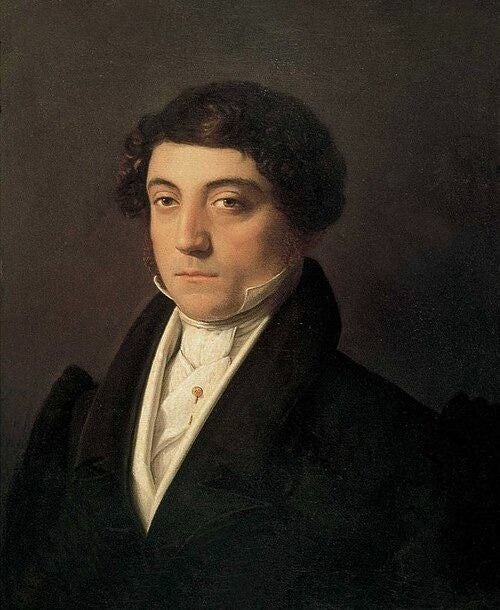
Italian composer Gioachino Rossini (1792-1868) left an undeniable mark on the Spanish cultural scene of the 19th century, a time when the country began to welcome a continual flow of foreign writers, artists and composers. These 'romantics' used Spain's customs and traditions to enrich their works, and they left a legacy that shaped the way in which the rest of the world related to the country.
The popularity of the newly discovered Spain was largely promoted by the success of two plays by Pierre Beaumarchais - The Marriage of Figaro and The Barber of Seville, both of which were set to music by Mozart and Rossini, respectively. Rossini was known for his ability to compose quickly, writing all the music for this opera in less than three weeks.
Rossini's Barber of Seville is considered to be one of the greatest masterpieces of comedy within music, and more than two centuries later, it remains a popular work. The opera's protagonist, Rosina, is a young Sevillian girl whose love and charm inspired Rossini to create one of classical music's most memorable heroines. It was the Sevillian setting, with its cobbled streets and orange blossom-filled courtyards, that brought to life this character.
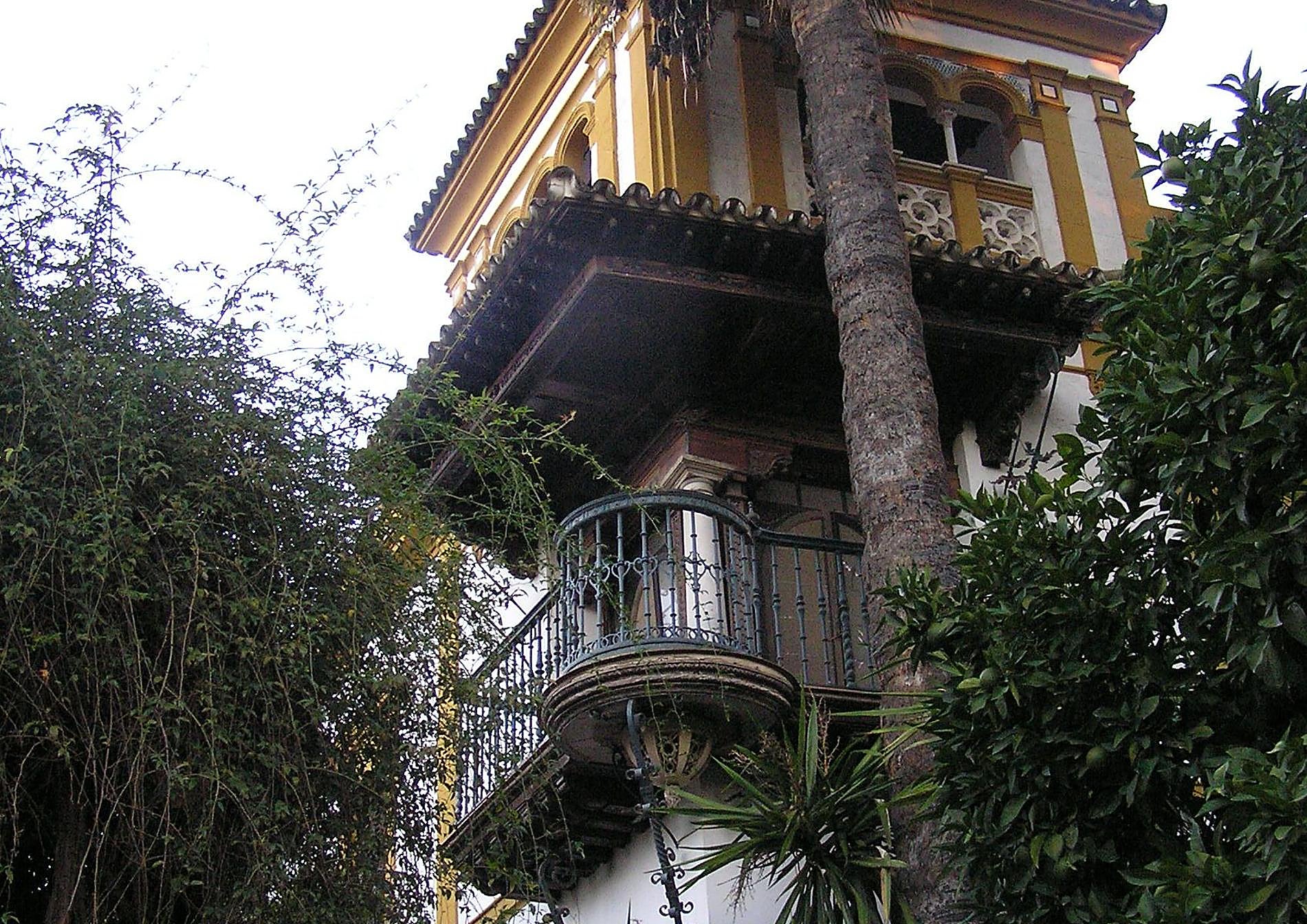
While visiting Seville in 1830, Benjamin Disraeli commented that "Figaro is on every street corner and Rosina on every balcony". Legend claims that El Balcón de la Rosina, located in the emblematic Plaza de Alfaro, was the balcony where Rossini found inspiration for his Barber of Seville. However, he had not visited Spain, let alone Seville, before creating his comic opera, although he did visit Madrid once he had semi-retired from composing at the height of his popularity.
While in Spain, he accepted an invitation from the Archdeacon of Madrid to compose a Stabat Mater, considered one of his most notable works from this later phase of his life.
His stay in the capital has been recorded with a plaque on the house where he stayed in1831.
![[]](http://static.vocstatic.com/voc26/latest/assets/images/favicon/surinenglish/apple-touch-icon-57x57.png)