
Gardens
Gardening in southern Spain: European wild ginger
Asarum europaeum, commonly known as European wild ginger, is unrelated to culinary ginger but has spicy scented roots
Denise Bush
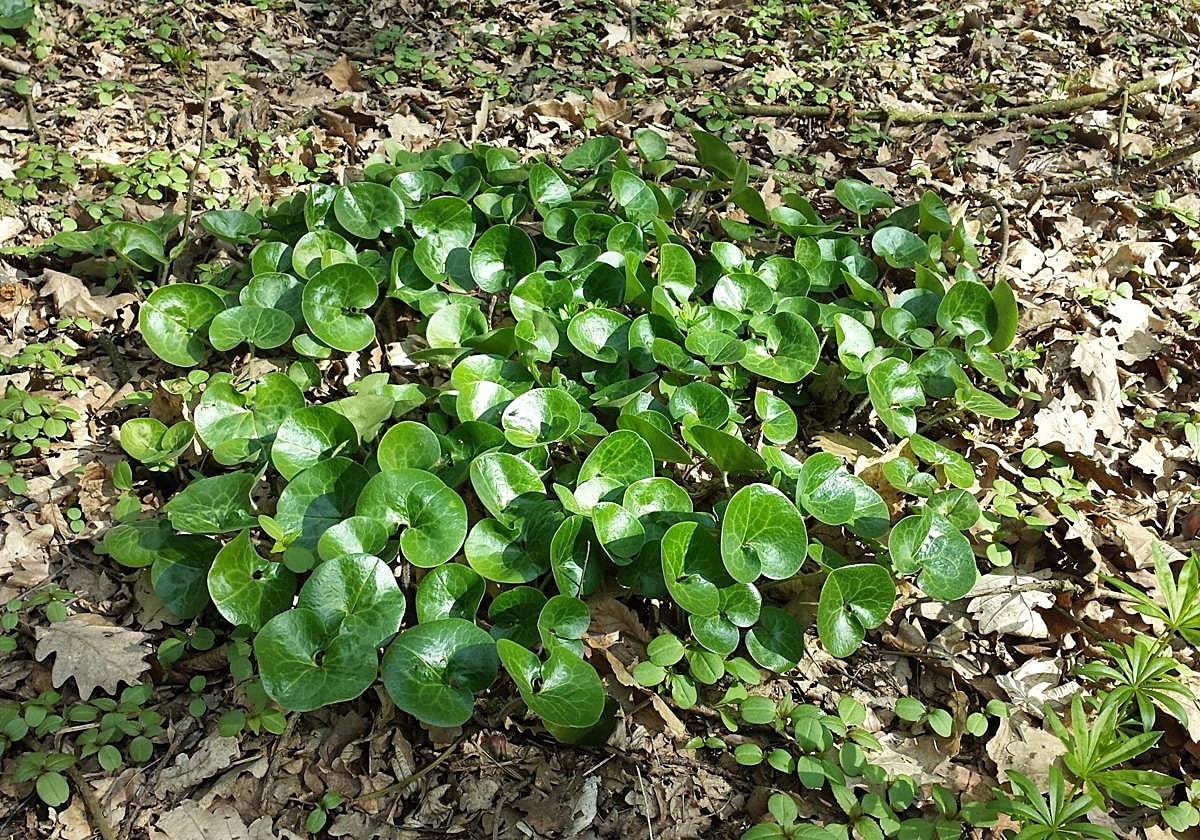
Asarum europaeum, commonly known as European wild ginger or hazelwort, is a low-growing perennial plant that belongs to the Aristolochiaceae family.
Despite its common name, it is not related to true ginger (Zingiber officinale); the name comes mainly from the spicy smell of its roots. The plant is native to central and southern Europe, where it grows naturally in shady woodlands.
It has glossy, dark green, heart-shaped leaves that grow close to the ground and often form dense carpets.
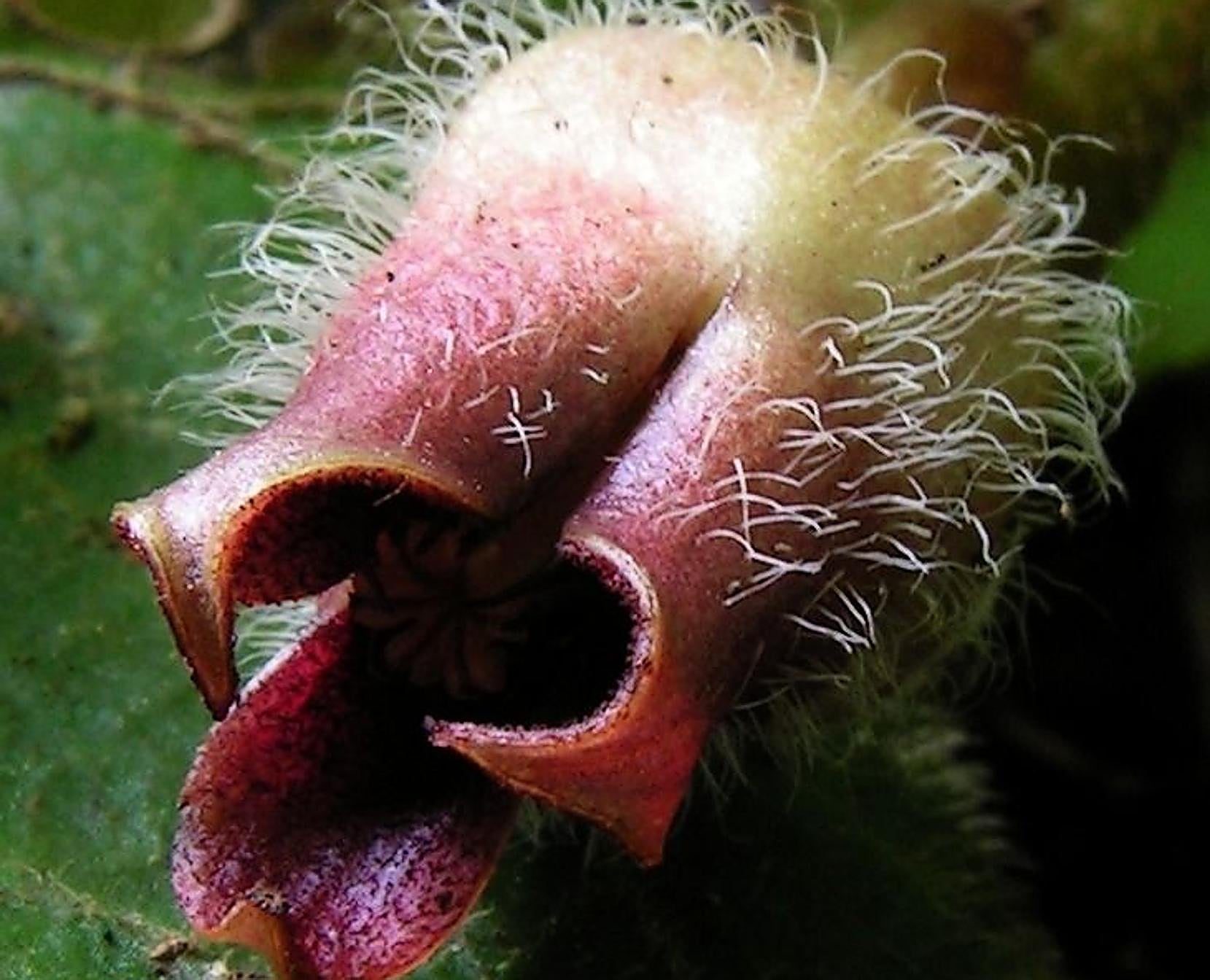
The flowers are small, brownish-purple and bell-shaped, and they usually sit hidden beneath the leaves, often going unnoticed.
This plant relies on pollination by small insects such as ants and beetles which are lured by the faint, musty odour of the flowers.
The plant spreads slowly through creeping rhizomes and is long-lived.
Historically, Asarum europaeum was used in traditional European herbal medicine.
It was taken in very small doses as an emetic (to induce vomiting), an expectorant or a treatment for respiratory problems.
The dried root was sometimes used as a snuff to relieve headaches or nasal congestion. However, Asarum europaeum contains some toxic elements particularly damaging to the kidneys.
It thrives in complete or partial shade and in free-draining soils but is only moderately drought resistant.
It can be propagated by division in spring or in autumn although it can take a while to get re-established. Seed is often slow to germinate and viability is unreliable.
![[]](http://static.vocstatic.com/voc26/latest/assets/images/favicon/surinenglish/apple-touch-icon-57x57.png)