
Businesses
The best honey in Andalucía comes from the Malaga mountains
A small family operation in Cuevas del Becerro, near Ronda, wins the region's top honey award for the fourth time
Julio J. Pprtabales
Cuevas del Becerro.
The best honey in Andalucía is not born from secret formulas or industrial processes. It comes from the Malaga mountains and from a slow, patient way of working deeply connected to nature. This recognition highlights the importance of the environment, the diversity of blooms, and the care of the hives as key factors behind a honey that once again stands out among the most valued in the region.
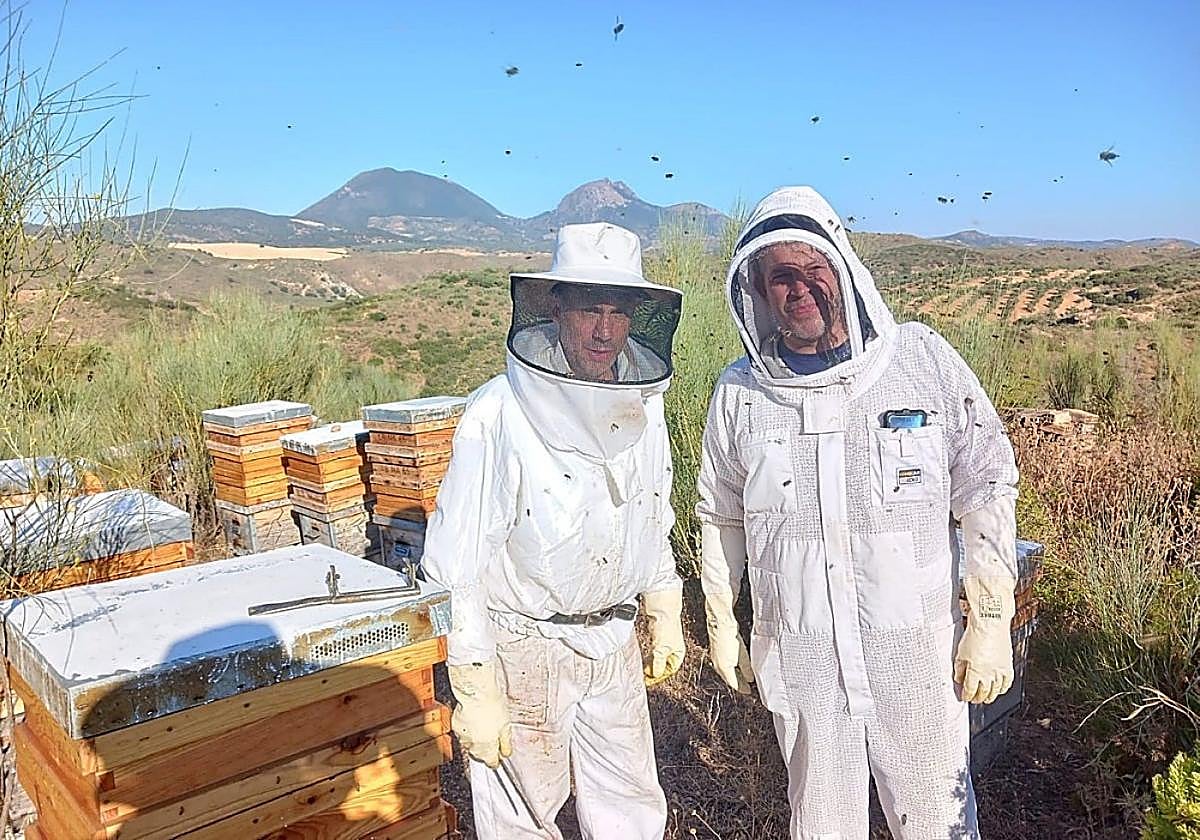
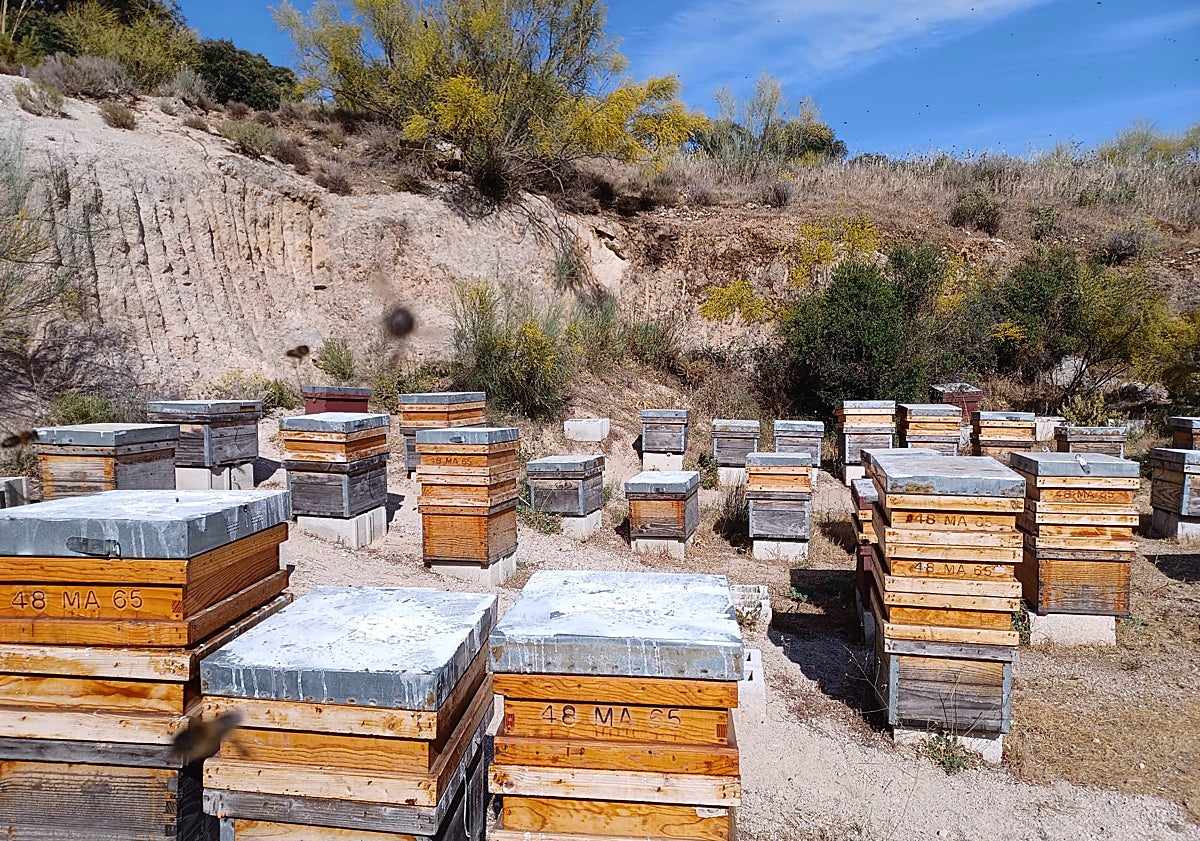
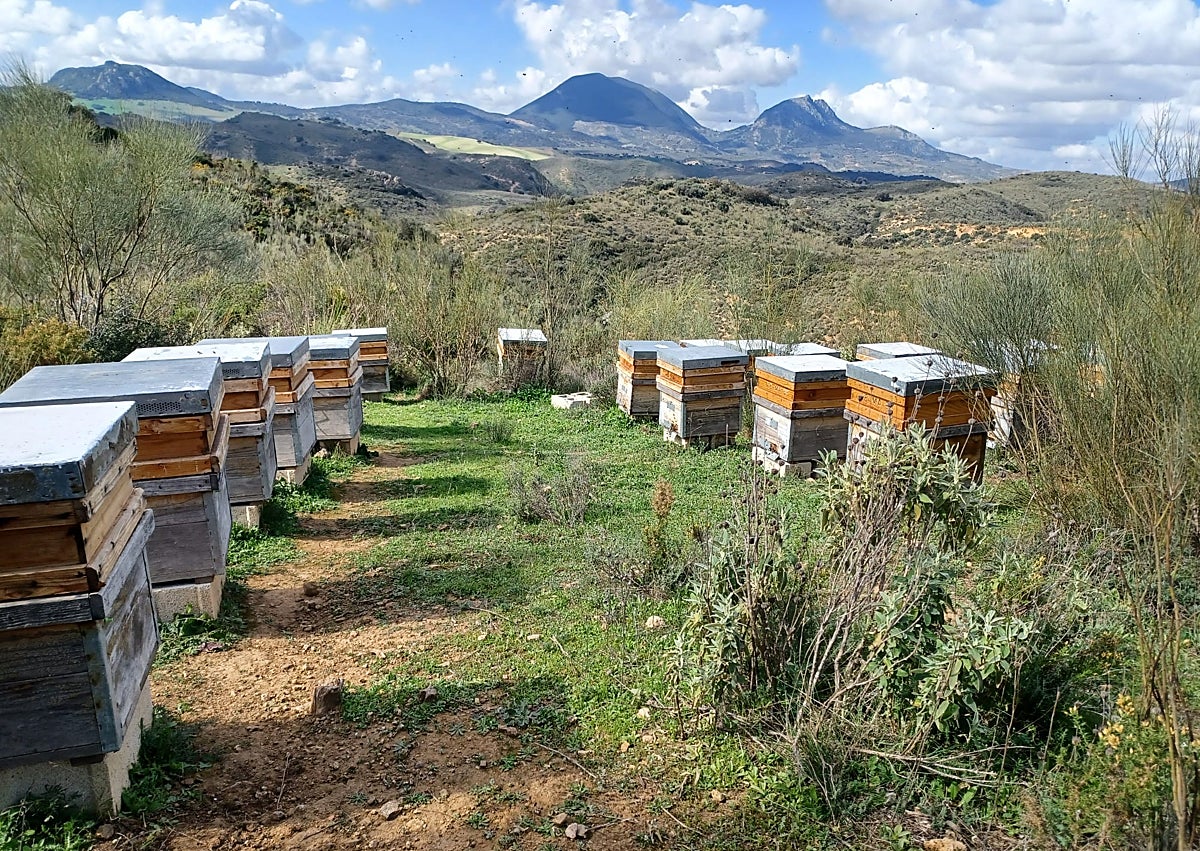
Far from being an inherited tradition, beekeeping came into Joaquín Becerra's life by chance. His first contact with hives was professional, as a beekeeping technician, when he decided to set up a few to gain firsthand knowledge of bee management and behaviour. That initial experience grew over time until it became, together with Paola Escudero, a small family operation that today has around 120 hives distributed throughout the Cuevas del Becerro area.
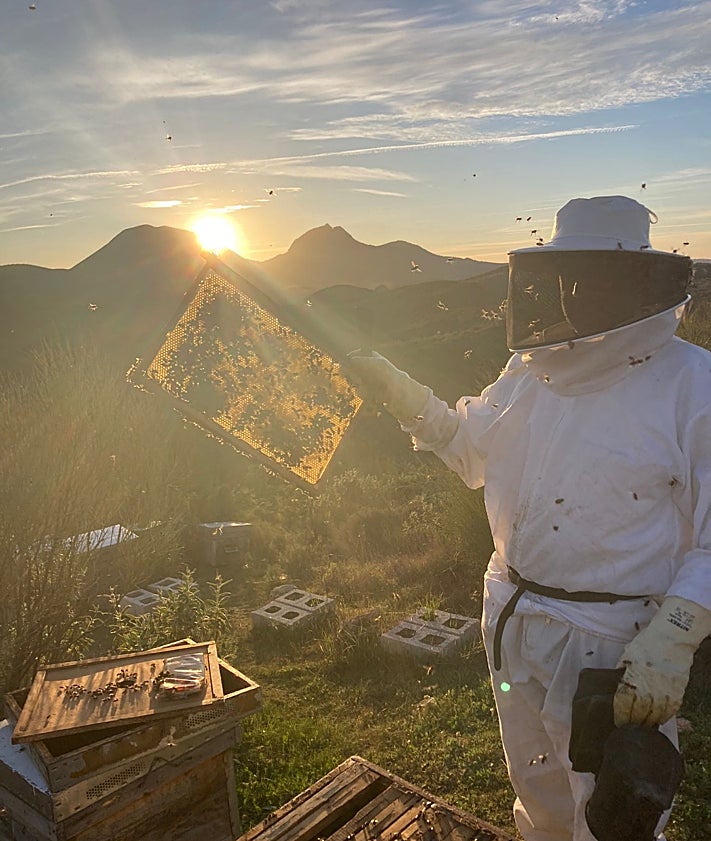
Both insist that they are not the protagonists. "The bees make the honey. Our job is to let them do theirs," the beekeeper repeats, an idea that sums up his understanding of the craft. The producer's role, he explains, is to accompany the process, care for the hives, and not interfere more than necessary. This philosophy is reflected both in daily management and in the choice of environment, a mountain area with a great diversity of blooms that provides character and complexity to the final product.
Broom, thyme, and eucalyptus are part of the landscape surrounding the hives and give rise to a mountain honey that changes each year according to climatic conditions. The goal is not a single bloom or intensive production, but rather a natural blend that reflects the territory. This commitment to diversity and respect for the natural cycle is, they acknowledge, one of the keys to the honey being recognised again in such a demanding competition.
Recognition, they assure, is never taken for granted. Winning the award for the best multifloral honey in Andalucía for the fourth time remains a source of pride, but also of surprise. Each time is experienced with the same uncertainty, aware that it is a competition influenced by numerous factors. "You never expect it," the beekeeper admits. The final quality depends on the blooms, the climate and above all, the silent work of the bees, who are the true creators of the product.
Beyond prestige, the award has a direct impact on the operation. Not so much on the work process, which does not change, but on commercialisation. Annual production is around one thousand kilos and, in many years, the honey sells out before Christmas. The recognition facilitates direct sales and allows them to maintain a price in line with the effort and quality of the product, something fundamental for the economic viability of a small operation.
The day-to-day reality of beekeeping, however, is far from idyllic. The work is seasonal and especially hard during the summer months, when days begin very early and unfold under high temperatures, wearing protective suits and carrying weight. Added to this is a less visible and much more unpleasant aspect: the constant loss of hives. Each year, the beekeeper estimates that between 20 and 40 per cent of them disappear.
The causes are multiple. Diseases like varroa, the use of pesticides in the agricultural environment, and more recently, the arrival of the Oriental hornet are threatening the sector. This invasive species, already present in several areas of the province, poses a serious threat to hives and to biodiversity in general. "That's the hardest part," he acknowledges, "going to the hives and finding that you've lost one."
Despite the difficulties, they are not considering giving up. Their motivation remains intact and their connection to the countryside is strong. The enthusiasm for daily work, they assure, is what allows them to keep going even in the most difficult moments. This connection to the environment and to work well done is an essential part of their way of understanding beekeeping.
Both agree that the sector remains undervalued, despite the essential role that bees play in pollination. They point out that nearly 80 percent of wild plants depend on pollinating insects and that, in a context of widespread biodiversity loss, their function is more crucial than ever.
![[]](http://static.vocstatic.com/voc26/latest/assets/images/favicon/surinenglish/apple-touch-icon-57x57.png)