
Food and drink opinion
False friends
The practice of soaking and slow-baking beans originated among indigenous peoples of the Americas, centuries before beans became a tinned convenience food in Britain and Europe, says food columnist Andrew J. Linn
Andrew J. Linn
Food is often treated as a fixed expression of national identity, yet many dishes we think of as authentic turn out to have far more tangled pasts. Balti curry is often presented as a centuries-old dish from Kashmir, but this is more marketing than history. In reality, it was developed in Birmingham in the 1970s, largely by Pakistani restaurateurs adapting techniques to British tastes. Its very name derives not from a region but from the balti, a metal cooking vessel used to prepare and serve the dish. While similar cooking methods exist in South Asia, there is no clear evidence of a long-established Kashmiri balti tradition. As Wikipedia and other food historians note, the balti is best understood as a British curry, born of migration, improvisation and the practical constraints of restaurant cooking.
Haggis, widely believed to be a uniquely Scottish national dish, turns out to have a similarly tangled history. Recipes resembling haggis appear in English cookery texts from the fifteenth century, and sausage-like preparations of offal, grain and seasoning were known in Roman times. The idea that haggis is exclusively Scottish is therefore more cultural myth than culinary fact, though it is a myth energetically embraced and celebrated north of the border on Burns Night and similar occasions.
Wine of the Week
-
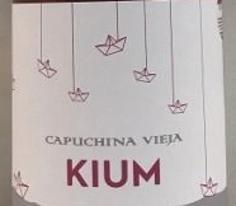
Capuchina Vieja Kium 2021 A fascinating rosado from the Sierras de Málaga, with a strong body and it is great with practically any food, from 'jamon de bellota' to rice dishes. Very balanced on the tongue. Around 12 euros.
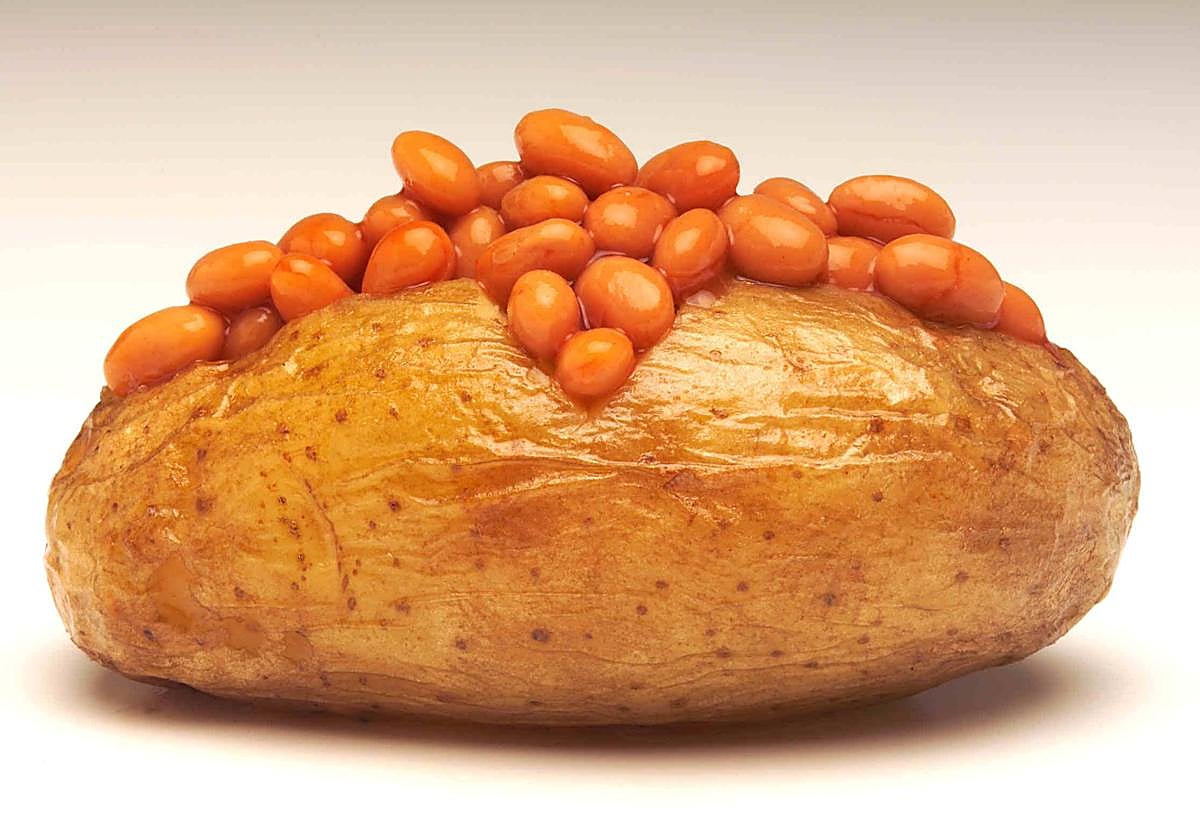
Baked beans, now inseparable from the British breakfast, also have deeper and less parochial roots. The practice of soaking and slow-baking beans originated among indigenous peoples of the Americas, centuries before beans became a tinned convenience food in Britain and Europe.
Food is endlessly evolving, shaped by migration, trade, geography or tradition.
![[]](http://static.vocstatic.com/voc26/latest/assets/images/favicon/surinenglish/apple-touch-icon-57x57.png)