
Food and drink opinion
Traditional orujo
Unlike other spirits made from varied raw ingredients, it is exclusively grape-based, and although widely linked with Galicia, its origins are also claimed elsewhere in Spain
Andrew J. Linn
Malaga
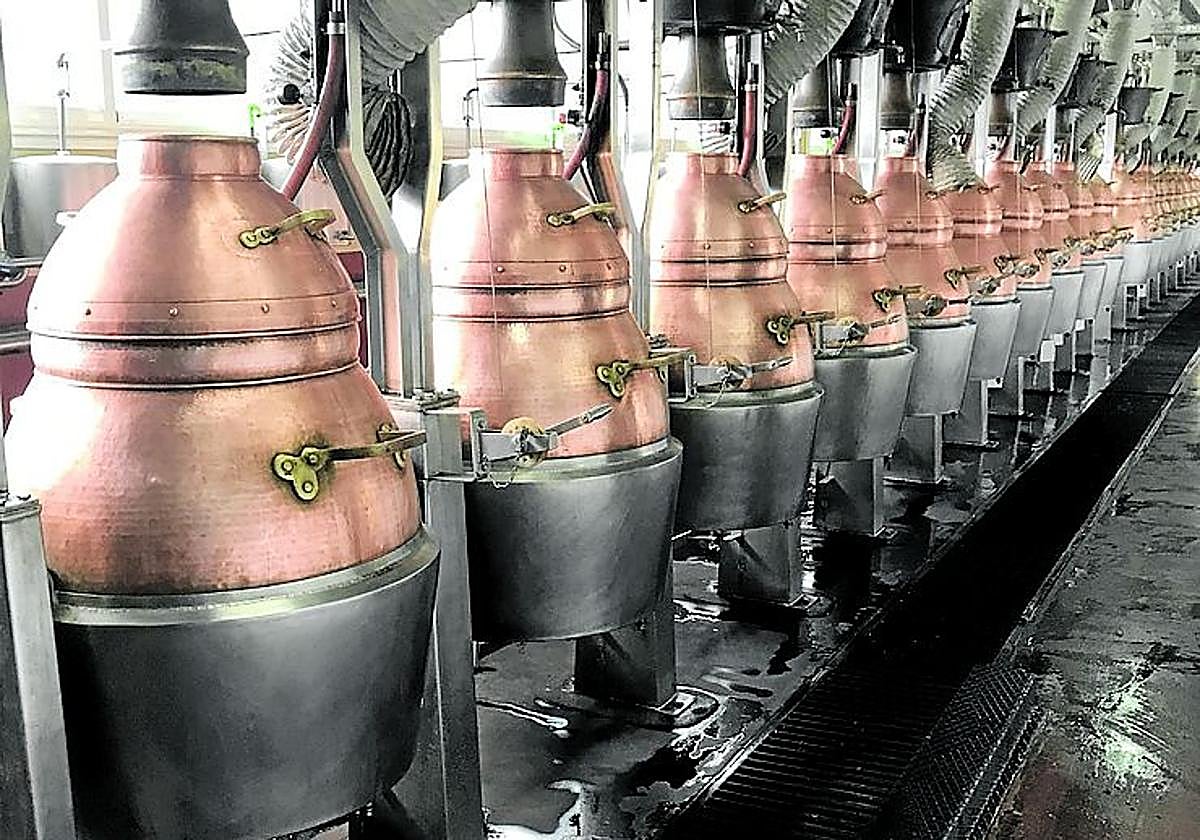
Orujo is a traditional distilled spirit obtained from grape pomace, the solid remains after pressing. Unlike other spirits in Spain made from varied raw materials, orujo is exclusively grape-based, and although widely linked with Galicia, its origins are also claimed by Liébana (Cantabria). Similar beverages exist elsewhere: Italy's grappa, Portugal's aguardente, or France's marc. And like many of the same ilk, enormous quantities are produced using domestic stills, tax free provided it is for domestic consumption.
Traditionally, orujo was homemade. The taste varied enormously: sometimes smooth and discreet, other times harsh enough to bring tears, much to the amusement of the elders. Unlike today's elaborate mixology trends, the only distinction then was whether the drink 'scratched' the throat.
Wine of the Week
-
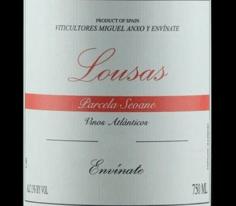
Envínate Lousas Parcela SeoaneChoosing a wine to drink at a meal which will arrive at its climax with copious glasses of orujo is tricky, but this wine from Ribeiro Sacra is Leiras Albariño 2024 is a refreshing white wine from Spain's Rías Baixas regionProduced by Codorníu, it offers a balanced palate with a mineral finish, making it an excellent companion to seafood and light dishes. Around €58
Modern orujos are regulated, bottled and labelled, reflecting diverse qualities. Sadly, consumers often undervalue them compared with imported spirits. Confusion arises because the term orujo is used loosely. Popular 'licor de hierbas' or coffee creams are not authentic orujo but sweetened, coloured liqueurs based on other alcohols. True variations are limited: white, aged, or flavoured orujos. The aged type matures in barrels, developing complexity, and falls under the supervision of Galicia's regulatory council.
Cultural practices also shaped consumption. Drinking orujo as a frozen shot is seen as a sacrilege: sacrilege because chilling mutes its qualities. The best way is in a proper glass, sipped slowly, much like grappa, brandy, or fine digestifs.
Legally, Spain recognises only one protected designation: Orujo de Galicia, registered as a Protected Geographical Indication (PGI) under EU regulations.
![[]](http://static.vocstatic.com/voc26/latest/assets/images/favicon/surinenglish/apple-touch-icon-57x57.png)