
Debate
Bullfighting in Spain, an abhorrent torture of animals or a tradition of cultural importance: who should decide?
Activists claim there is growing opposition against the bullfight, while packed bullrings seem to indicate it still has strong support
Tony Bryant
Malaga
The British have a reputation for being a nation of animal lovers, and there are numerous reasons that have formed this perception, one of which is the fact that the British created the world’s first animal welfare charity - RSPCA. This standing towards animal welfare is also present here on the Costa del Sol, and not just among the Brits, as the amount of volunteer-run animal charities will demonstrate.
Today, the attitude of many foreigners in Spain has become less tolerant towards activities that involve animals, like donkey taxis, although there is one spectacle that, as Ernest Hemingway so rightly pointed out, raises much passion, both for and against: the bullfight, or the ‘corrida de toros’, to give it the correct name. The bullfight is probably the one aspect of Spanish life that most foreigners fail to perceive totally. It is perhaps hard for a non-aficionado to comprehend that the person who respects the bull the most is the one who is going to end its life. The matador is hailed for his courage and poise under pressure and also for his respect for his opponent, because, as studies have shown, this large, fierce and cunning beast has a marked ability to learn from what goes on in the arena faster than the actual fight progresses. This is certainly an area of Spanish culture that needs to be approached with great knowledge, because the bullfight sector is not interested in the opinions of “uneducated protesters”.
Be that as it may, numerous groups have been formed across the country, such as the PACMA animal protection political party in Spain, that demand that the bullfight be banned, claiming it is not representative of the values held by the majority of Spanish nationals.
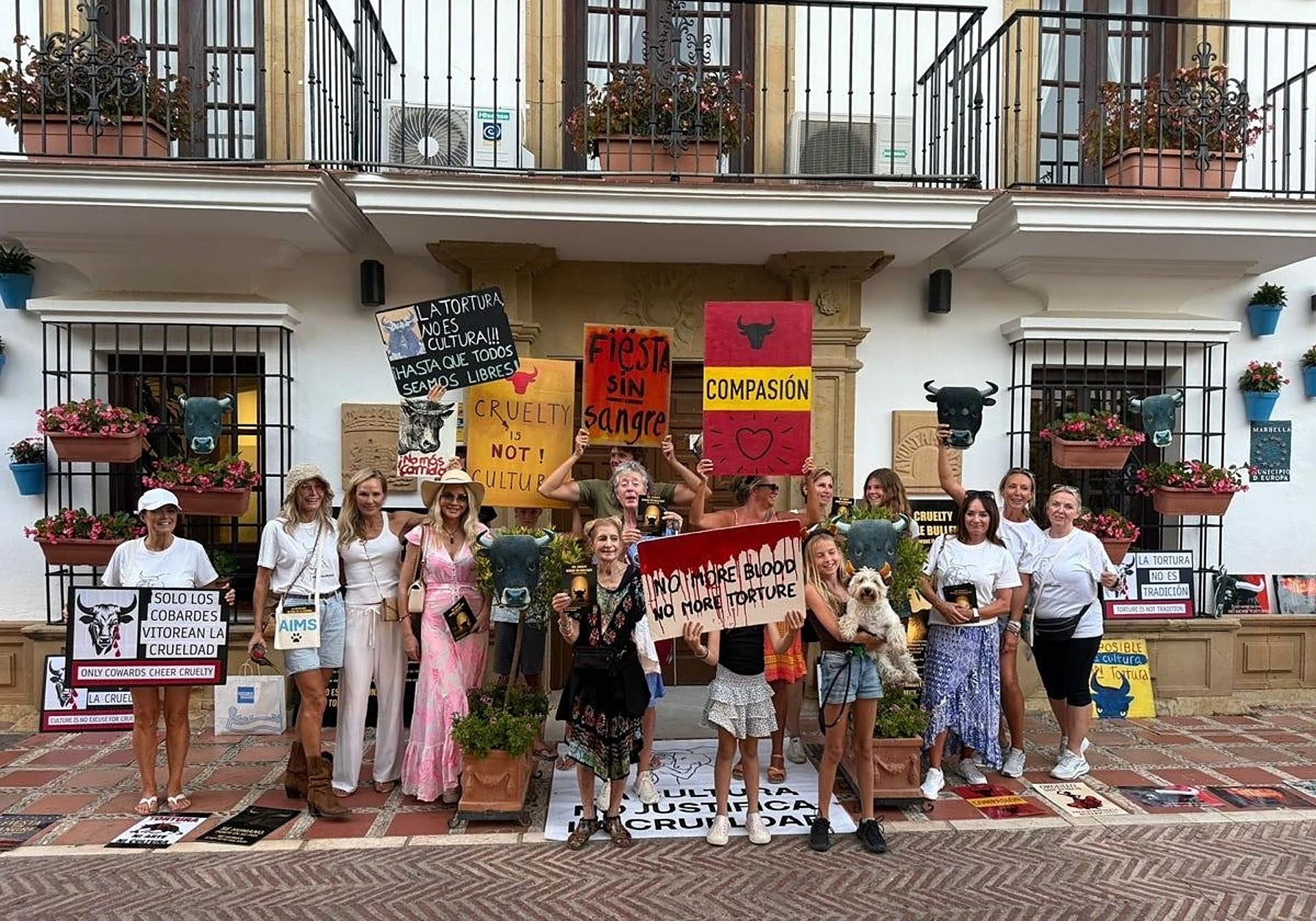
Another of these groups can be found in Marbella, a collection of foreign and Spanish residents who have been protesting throughout the summer to have the bullfight banned in the town. A spokesperson for the group told this newspaper earlier this year that despite efforts to frame bullfighting as tradition or culture, there is “growing opposition within Spain itself, with many people speaking out against what they see as institutionalised animal cruelty”.
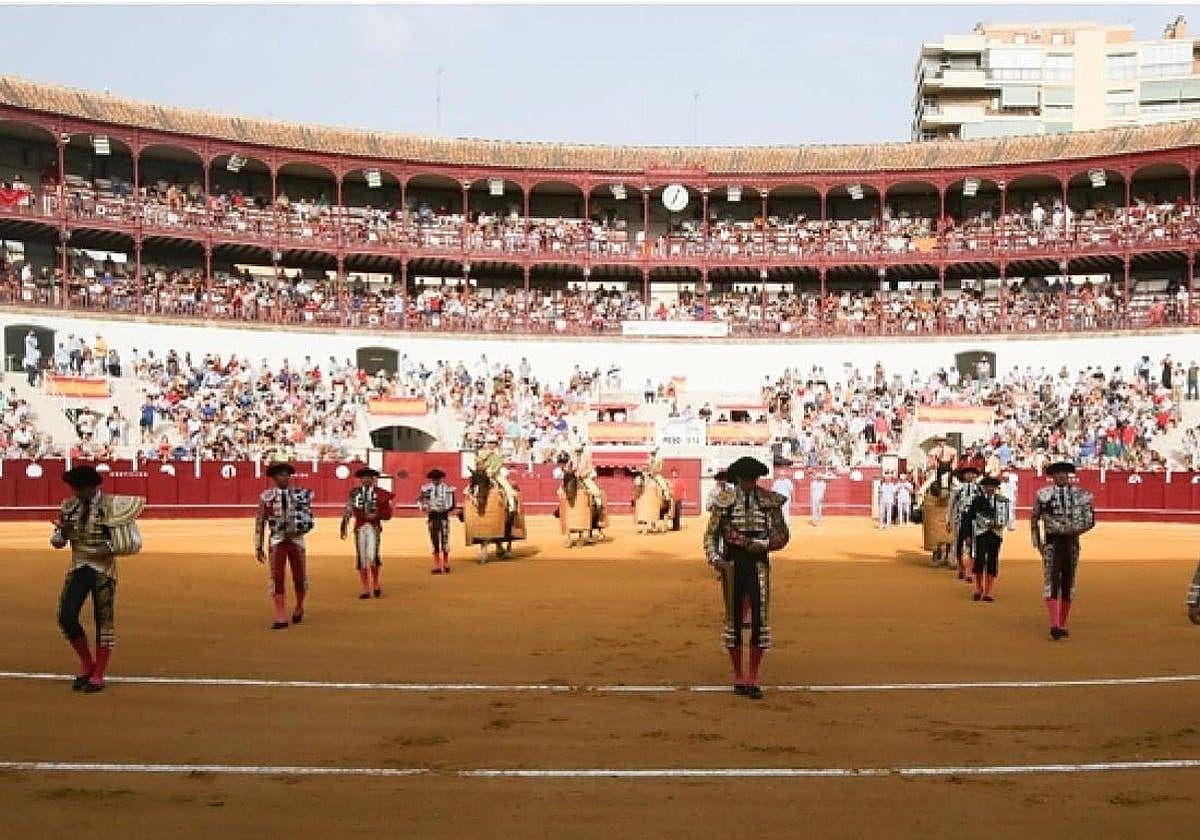
However, just one day after this group, which claims the bullfight is an “abhorrent torture of innocent animals that has no place in society”, held its last protest at the beginning of August, the town’s plaza de toros hosted a sell-out event. The box office put up the ‘sold out’ sign at midday, ten hours before the spectacle took place, which some media outlets declared showed a renewed interest in bullfighting in the town.
The Malagueta bullring also hosted a full week of bullfights during its recent fair, which our sister newspaper, SUR, described as “a season where the success has been driven by the bullfighters and the good attendance in the stands”.
Much the same can be said about the bullfights held in Antequera during its August fair, the climax of which was the traditional Goyaesque bullfight, an event attended by thousands of people.
Many foreign visitors are attracted by the multihued, razzmatazz ambience of this society, even though they would never dream of setting foot in a bullring. Others become instantly hooked, like Lyn Volgarino, a British resident who has lived in Torremolinos for more than 50 years.
“I don’t go to bullfights today, but this has nothing to do with the killing of animals: the 20-year period when I was an aficionado was the end of the best era. My first experience was with a group of British aficionados in the Malagueta bullring in 1964 and I was not sure how I would react, but I found it hypnotic. It was the euphoria and the expectancy of the crowd that seduced me,” she explained.
"Meddling foreigners"
Of course, there are those who believe that the animal activist groups are just “meddling foreigners”. This was a term used by English traveller Richard Ford concerning Robert Boyd after he was executed on a beach in Malaga following a failed attempt to overthrow the rule of Ferdinand VII of Spain. Ford believed that the Spanish people needed no assistance from interfering outsiders: this is a belief shared by many Spanish bullfight fans, and even some, like Juan García, who are not fans of the spectacle but who believe the banning of it should be a decision “made by the Spanish people”.
“I believe that everyone has the right to voice their opinions on the bullfight, but I would ask the foreigners who want to see it banned to at least educate themselves with it before protesting about something they do not fully understand,” García said.
Unfounded beliefs
One activist, who asked to remain anonymous, told SUR in English that people are unaware of the “brutal truth” about this age-old tradition.
“Bulls endure much suffering even before the fight begins. They are kept in enclosures with no life,” she declared.
Of course, this could not be further from the truth, because the ‘toro bravo’ endures no suffering before it arrives in the bullring. The way these animals are raised is sacrosanct: they are brought up on large bull-breeding ranches where, as one aficionado put it, “they live a life of freedom, luxury and respect”.
Running with the bulls
It is not only the spectacle that takes place in the bullring that causes outcry among foreigners living in Spain. The Festival de San Fermin held each July in Pamplona is another tradition that has come under much criticism. The popular ‘running of the bulls’ through the streets of the capital of Navarra, a tradition that Hemingway introduced to the rest of the world in the novel, The Sun Also Rises, has resulted in several deaths and untold gorings over the years, which is why protesters claim it should be banned.
The fiesta in Pamplona has become a major global tourism event, and although injuries are common, most fatalities occurred prior to 2000. Anyone can run with the bulls during this festival, and these consist of the fearless but sensible, and the utterly stupid. The first group are knowledgeable and fearless runners elevating the tradition of bull running from a mere street spectacle to an art. The latter are generally youngsters, many foreigners included, who need plenty of Dutch courage to place themselves in front of a couple of tons of charging fury. Some may believe it is this aspect which should be removed.
A centuries-old debate
Spain’s relationship with the bull has evolved over the last 2,000 years, and arguments for and against bullfighting have been raging since the tradition began to take shape in Ronda in the early 18th century.
But bullfighting was actually banned in the 16th century, when Pope Pius V published the bull ‘super prohibitione agitationis taurorum & ferarum’, which prohibited bullfighting under penalty of excommunication: the pope also warned that those who practiced bullfighting would not be given an ecclesiastical burial. However, Spain turned a blind eye to the pontifical document, which King Philip II is said to have kept hidden from the public.
The debate about whether bullfighting, which Francisco Franco declared Spain’s national sport, should be banned has rumbled on for centuries and it looks certain that this fight will continue for many years to come.
![[]](http://static.vocstatic.com/voc26/latest/assets/images/favicon/surinenglish/apple-touch-icon-57x57.png)