
A minute rare snail found alive in Gibraltar makes international headlines
The achievement marks the end of a decades-long search by Dr Menez, a scientist at the Gibraltar National Museum, for one of Gibraltar's smallest and rarest land molluscs
SUR in English
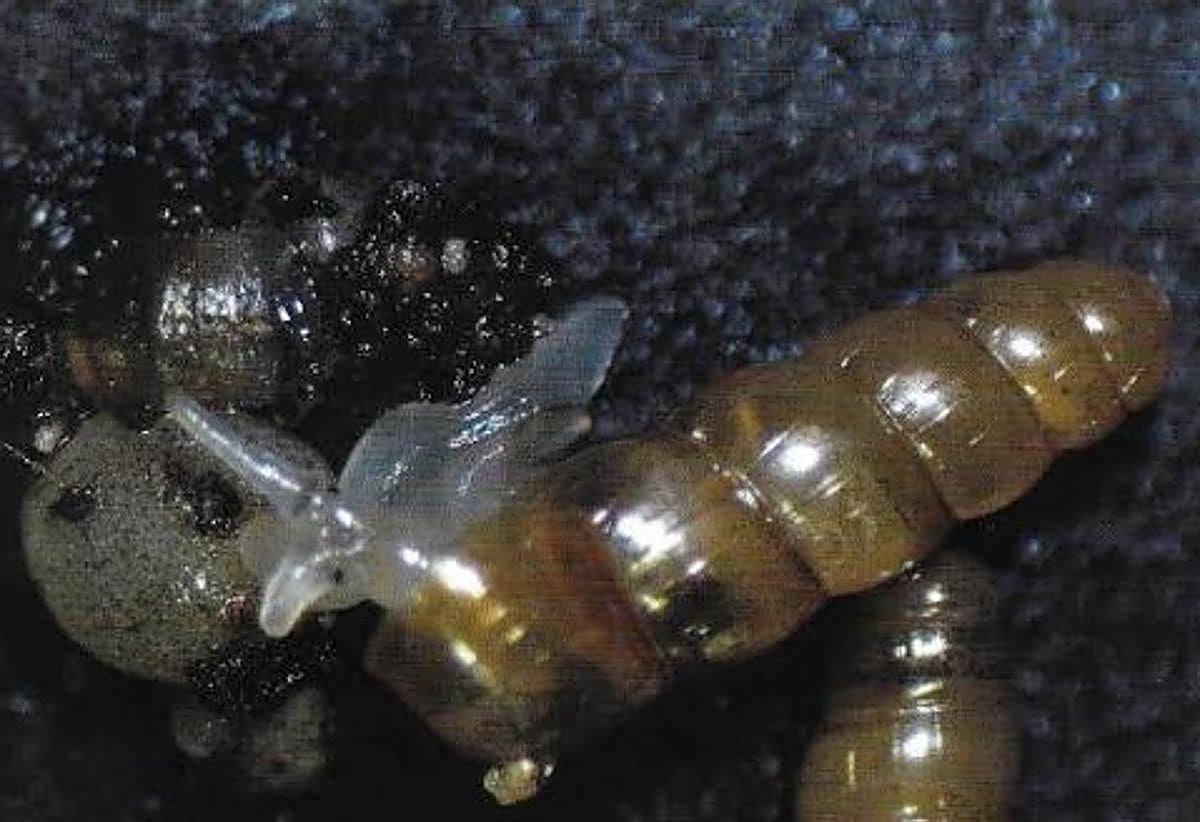
A photograph of two tiny land snails taken in Gibraltar by Dr Alex Menez has recently made the cover of the international magazine Mollusc World (Issue 68 of July 2025), featuring the headline "Acicula norrisi from Gibraltar."
The achievement marks the end of a decades-long search by Dr Menez, a scientist at the Gibraltar National Museum, for one of Gibraltar's smallest and rarest land molluscs. The species, known by its scientific name Acicula norrisi, had remained elusive for years, raising concerns it might be extinct.
The snail's history dates back to the early 1880s when malacologist John Ponsonby first found a single, empty shell, though its significance wasn't realized at the time. Nearly a century later, in 1975, malacologist Adrian Norris discovered several empty shells in Gibraltar. These remained unnamed until 1977 when they were described as a new species to science, named after Norris with Gibraltar as the type locality.
Dr Menez, who is also an honorary researcher at the University of Gibraltar, had searched for living specimens for many years but had only found more empty shells, raising concerns about the species' survival. Success finally came in March this year when he discovered several live snails of this extremely rare species.
The scientist photographed the tiny 3mm-long animals alive, creating the very first tangible evidence of living Acicula norrisi. This protected species, now confirmed to still be living on the Rock, demonstrates the value of long-term systematic fieldwork and research in understanding local fauna and flora and developing conservation strategies.
The discovery represents a rare conservation success story at a time when many species have been lost from the Rock, highlighting the importance of persistent scientific research in species protection efforts.
![[]](http://static.vocstatic.com/voc26/latest/assets/images/favicon/surinenglish/apple-touch-icon-57x57.png)