
Entertainment
Biggest Playmobil figurine exhibition returns to Cordoba town: dates and times for visits
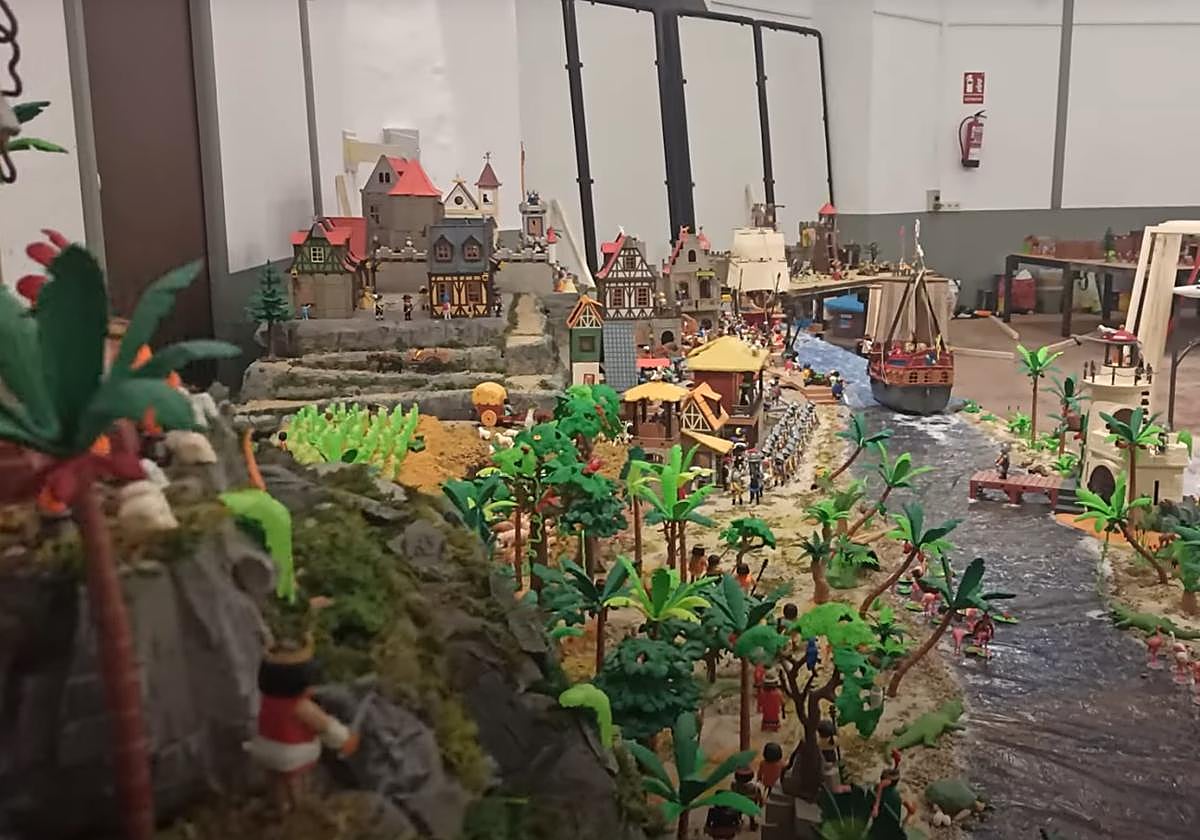
Montilla brings back its impressive Playmobil Christmas route, which can be enjoyed by the whole family, with thousands of visitors every year

Carolina Álvarez Álvarez
The town of Montilla in Cordoba will once again become the Andalusian epicentre of the Playmobil universe this December. From 5 to 27 December 2025, a new edition of the great exhibition of Playmobil figurines will be held. Every year, the route goes through emblematic areas of the town, having become one of the most eagerly awaited family activities in the province.
As every year, visitors will be able to walk around the exhibition and fill in a 'Playmobil passport'. Those who complete it, will enter a prize draw for a large batch of Playmobil products - one of the most popular incentives among fans.
A route through Montilla: five exhibition sites, one universe
The exhibition goes through various cultural sites in the town, which turns the visit into a historical and heritage tour.
Playmobil sites
-
Salón San Juan de Dios (the main exhibition hall)
-
Montilla castle
-
Casa del Inca
-
Museo Histórico and Casa de los Reyes
-
Museo Garnelo
Each one has different stagings, from historical scenes and fantasy re-enactments to local performances that delight children and adults alike.
Free guided tours for all audiences
The organisers offer free guided tours, provided that there is a group of at least ten people. The tour lasts approximately three hours. To book these visits, please contact Oficina de Turismo de Montilla.
In addition, schools and other companies or institutions can also enjoy the route with a specialised guide, for a symbolic donation of one euro per person.
A very special tribute: 'La Camacha'
This year, the exhibition pays tribute to a historical figure from Montilla: Leonor Rodríguez, also known as 'La Camacha', who has become an urban legend for residents.
Born in 1532, La Camacha has gone down in history for her fame as a sorceress, largely fuelled by literature. She appears as a character in Miguel de Cervantes's The Dialogue of the Dogs, where he popularised her powers.
However, La Camacha raises interesting questions today: was she really a powerful witch, a healer, a woman of character in a society that punished female independence? Like many women in modern Spain, her story is shrouded in shadows, male interpretations and a strong burden of myth.
![[]](http://static.vocstatic.com/voc26/latest/assets/images/favicon/surinenglish/apple-touch-icon-57x57.png)