
Andalusian escapades
The small town in Andalucía that many people call 'little Seville'
With its many bell towers, palaces and historic centre, it bears many similarities with the regional capital in the south of Spain

A.T.
Seville
There are hundreds of charming villages and towns in the region that is Andalucía, but one in particular stands out for several reasons. Located in the province of Seville, although closer to Cordoba, it boasts a thousand-year history as well as a unique monumental heritage. We are talking about Écija, a municipality that many still consider a 'village', although its size and cultural richness could perfectly well let it be regarded as a city. In fact, many people call it 'little Seville' for how much it has to offer.
The first surprising thing about Écija is its size. With almost 1,000 square kilometres of land, it is one of the largest municipalities in Andalucía, even surpassing the city of New York in size. Yet it still has the feel of a quiet town where life just moves at a different pace. Located in the heart of the Seville countryside, in Genil river valley, it's known for its intense summers, earning it the nickname of "the frying pan of Andalucía" as one of the hottest places in the country.
Nevertheless, beyond the heat and its sheer size, Écija is a destination that surprises the visitor with its wealthof history and monuments thataboundhere. Strolling through the town's old quarter is like taking a journey through centuries of architecture, art and culture.
The town of towers
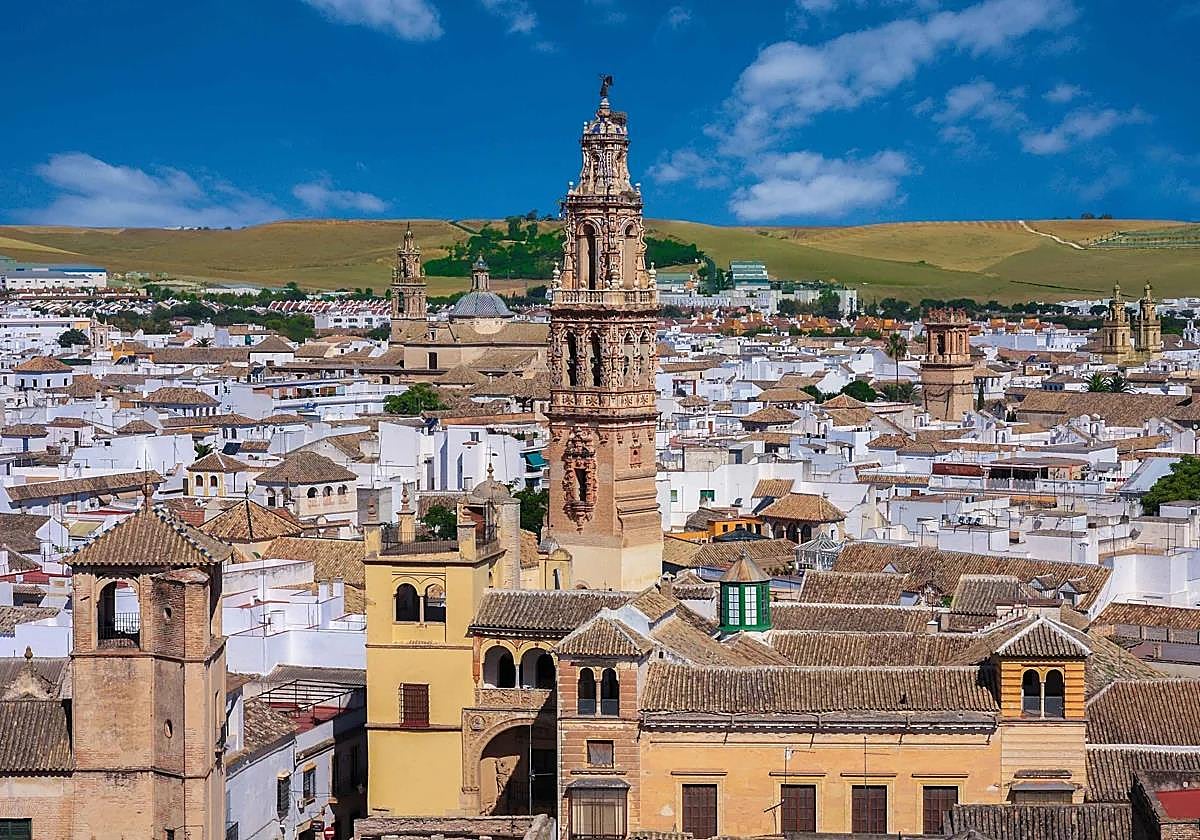
One of Écija's most recognisable features is its towers. Eleven bell towers stand among the rooftops of the historic centre, earning it the nickname of "the city of towers". They are scattered around churches and convents and many of them were built or refurbished during the 18th century, a particularly prosperous period for the town.
Among them is the tower of San Juan, with a decoration that combines carved brick, glazed ceramics and colours that pop in the sun. Also striking are the towers of the churches of San Gil and Santiago , each with its own unique features: the former rises up to 55 metres in height and is thought to have been built on the site of the city's old fortress and the latter has a curious sundial on its west face.
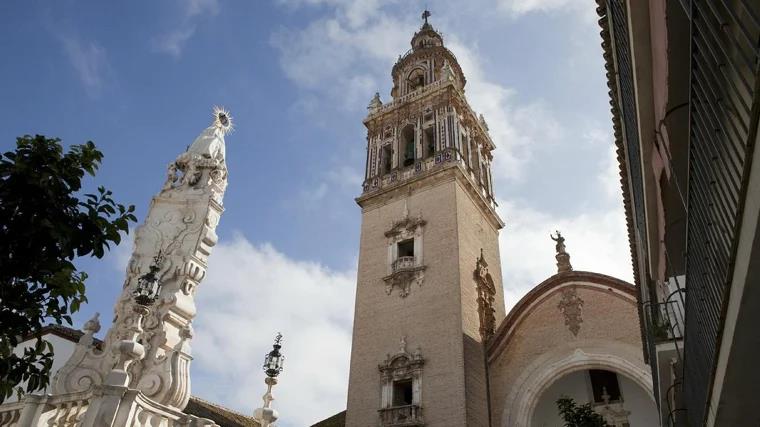
The church of Santa María , located in one of the main squares, is another landmark. It was rebuilt in the 18th century after the Lisbon earthquake and in front of it stands a monument to the Virgen del Valle, patron saint of Écija. Not far away, the church of La Limpia Concepción impresses with its bright interior and baroque plasterwork, while the church of La Santa Cruz, of Mozarabic origin, is the oldest in the town.
Palaces with history
In addition to churches, Écija boasts a large number of palaces. Some of them are true gems of the baroque style in Andalucía, such as Benamejí Palace , whose marble façade and porticoed courtyard reflect the power attained by the noble families who lived there. Today, this building houses the municipal museum of history, where you can see some valuable exhibits, such as the Roman sculpture of the wounded Amazon, practically intact and with traces of its original polychrome finish.

Another iconic building is Peñaflor Palace, known for having the longest balcony in Spain, measuring over 50 metres. Its curved façade, decorated with trompe l'oeil motifs, and the interior staircase with Tuscan columns are just some of the details that make it special. Also worth visiting is the Renaissance-style Palacio de Valhermoso, or the current Palacio de Justicia, a more recent building inspired by the Sevillian regionalist style and with nods to the Alhambra in its decoration.
Squares, streets and local life
The best way to discover Écija is to take a leisurely stroll through its streets and squares. PlazadeEspaña, known as "El Salón" (the 'living-room'), is the heart of Écija. It is surrounded by bars with terraces, from which you can see some of the famous towers and, underground, Roman and Arab remains have been found that have since become part of the urban environment.
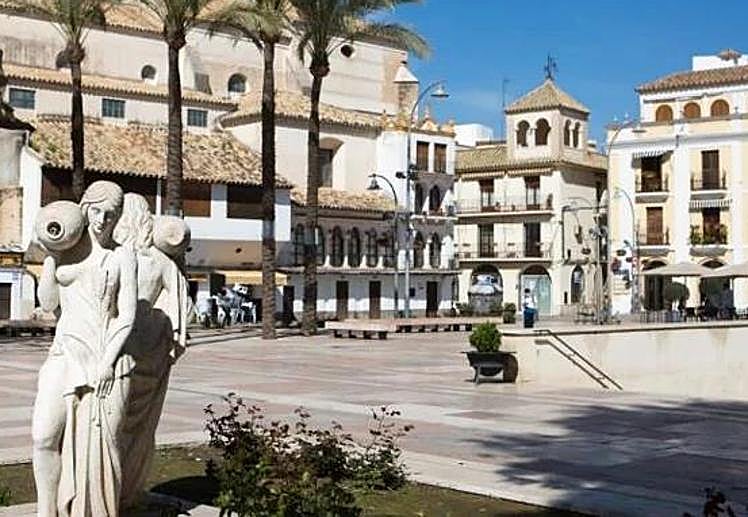
Close by is the quieter and more welcoming square of Plazuela de Santa María, ideal for sitting in the shade or enjoying a drink on a terrace. If you're interested in exploring the local cuisine, then a visit to Plaza de Abastos is a must. This market has been in operation since the 19th century and it remains a place where the aromas and flavours of the local cuisine mingle.
A Roman past that's still very present
Although today it is known for its baroque towers and churches, Écija has much older roots. During Roman times it was one of the main colonies in the province of Baetica, under the name of Colonia Augusta Firma Astigi. This past is deeply present in the city today, both in the remains that have been found during excavations and in the artefacts preserved in the municipal museum.
The curious thing is that, despite the historical and patrimonial importance of Écija, it is still a relatively little-known town outside Andalucía. Yet that is precisely what makes it special. Beyond the comparisons, the truth is that Écija has many similarities with the city of Seville: its towers, a historic centre full of churches and palaces, a wealth of art and a welcoming ambience. For this reason, more and more visitors are encouraged to discover this gem of inland Seville. Whether for a weekend getaway or as a stopover on a trip through Andalucía, Écija is a place that surprises and leaves its mark on those who venture here.
![[]](http://static.vocstatic.com/voc26/latest/assets/images/favicon/surinenglish/apple-touch-icon-57x57.png)