
Environment
Doñana National Park gets some relief from heavy rains, but Spain’s iconic wetlands still face a deep water crisis...
Recent storms have flooded 90% of Doñana’s marshlands, temporarily halting a decade-long decline — yet scientists warn that aquifer overexploitation continues to threaten the park’s long-term survival
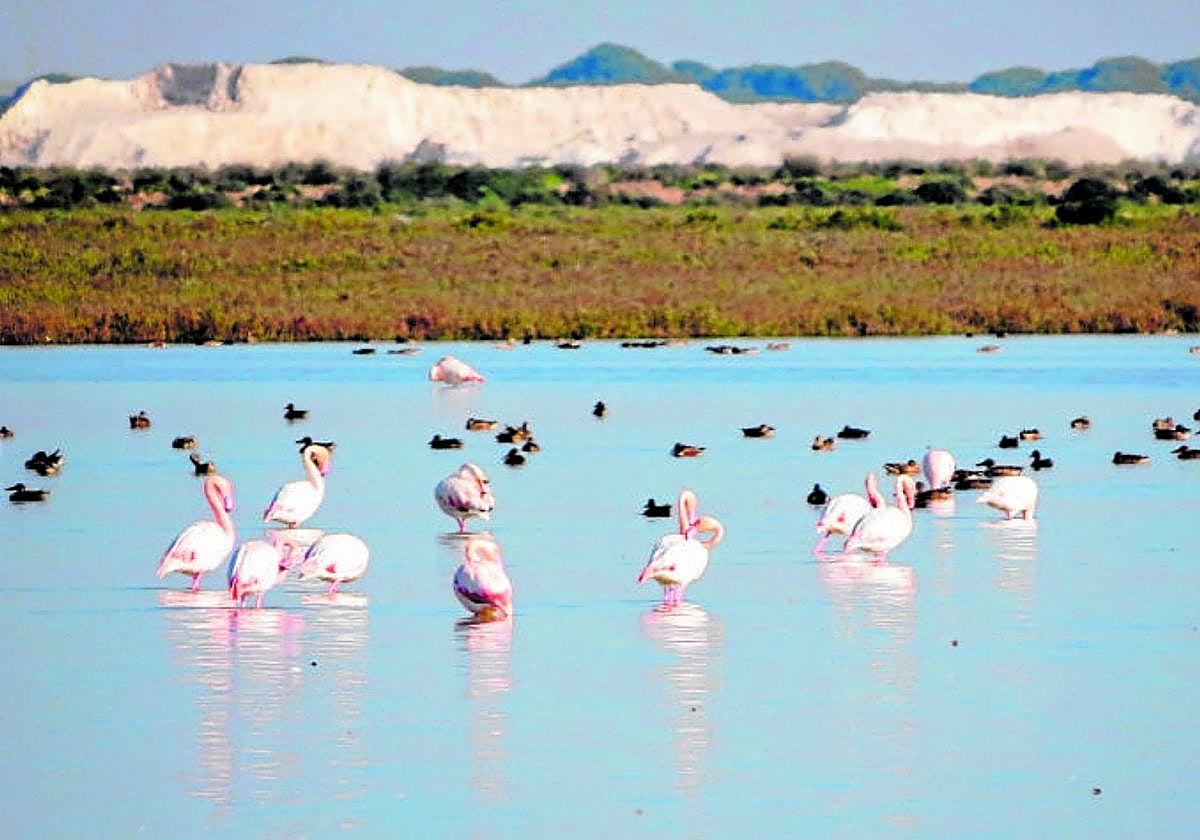

Flamingos now wade through the flooded wetlands of Doñana National Park after the heavy storms that lashed Andalucía in recent weeks. The rainfall has brought a welcome but temporary relief to Spain’s most famous wetland, where all marshes and lagoons are once again full. Yet beneath this optimistic image lies a harsh truth: Doñana continues to suffer from a structural water deficit.
Since the start of the 2025–2026 hydrological cycle on 1 October, around 450 litres per square metre of rain have fallen — more than 120 litres above the park’s historical average. This exceptional rainfall has pushed waterways to “peak flows,” according to the Doñana Biological Station (EBD–CSIC), almost completely flooding the 34,000-hectare wetland, with water levels reaching 90 centimetres in places.
Eloy Revilla, director of the EBD, said, “These rains are very good for the marshlands — 90% of their surface area is flooded, and water is still coming in.” He noted that Doñana’s decline has been “stabilised” after years of deterioration, with many ecological indicators beginning to improve. However, the aquifer’s recovery remains fragile.
“The deterioration has stopped, and a slow recovery has begun,” Revilla explained, adding that aquifers respond slowly but serve as crucial water reserves during droughts. He credited efforts to improve water management and said the closure of nearby farms “will certainly be positive” in reducing water pressure.
WWF’s Doñana representative, Juanjo Carmona, agreed that the rains are “hopeful,” but warned that “everything depends on the aquifer recovering.” Overexploitation remains above 120% of recharge capacity, he said, meaning that even wet years cannot reverse the long-term deficit.
Juan Romero, president of the Save Doñana movement, called the situation “urgent,” stressing that “to truly recover Doñana, water extraction must end.” He noted that current water use reaches 107 million cubic metres annually — more than triple scientific recommendations. “Without closing both legal and illegal wells,” he warned, “Doñana will never recover.”
![[]](http://static.vocstatic.com/voc26/latest/assets/images/favicon/surinenglish/apple-touch-icon-57x57.png)