
Adamuz train crash 20262
Spain's government approves cash payouts for 210 people affected by recent rail tragedies
The aid is an advance on the compensation the passengers and the bereaved families are legally entitled to
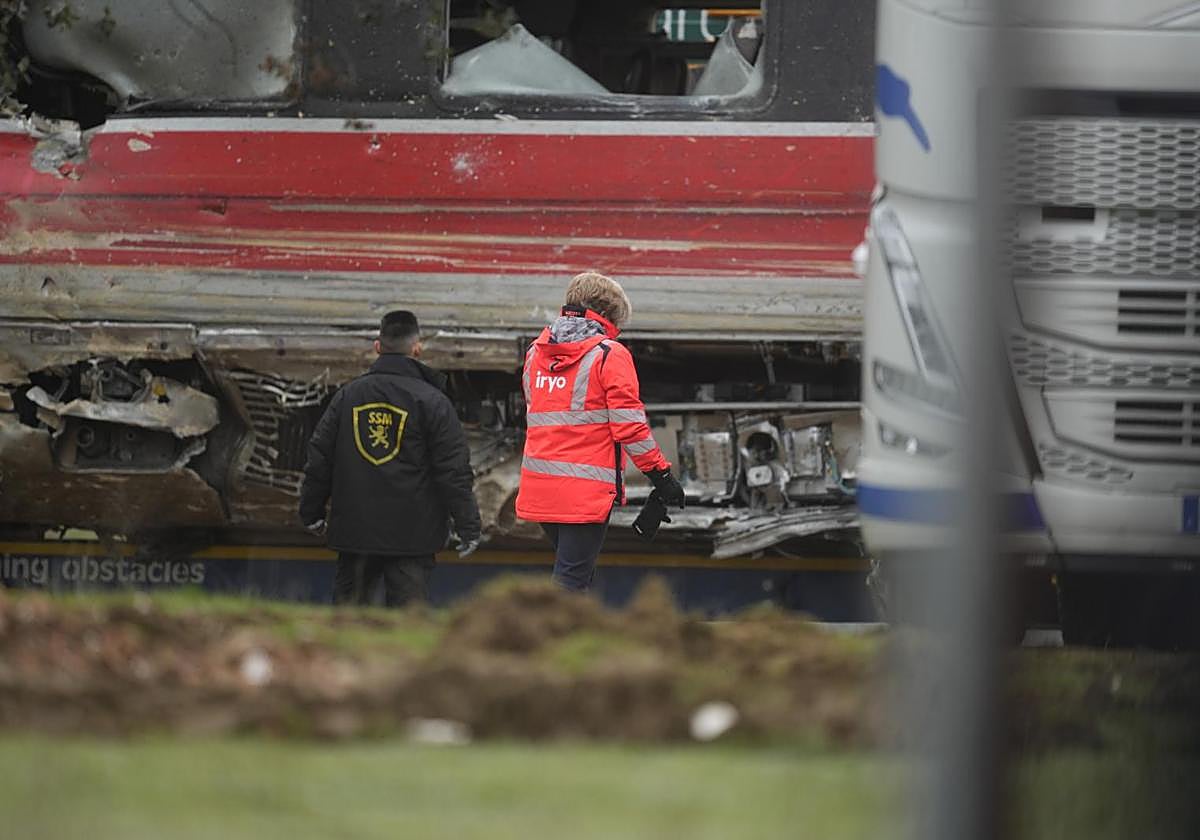
The Spanish cabinet approved the advanced aid for the victims of the Adamuz and Gelida train accidents on Tuesday. A total of 210 people will be divided into 14 categories of injuries and damages, entitled to between 2,404 and 84,141 euros in compensation.
The royal decree aid is granted as an advance on the compensation the 168 Adamuz and the 42 Gelida victims are legally entitled to under civil liability rules. The aim is to give them quick access to financial support.
If the recipients agree, the government will handle the legal claim afterwards and try to recover the money from the responsible party.
Relatives of the fatalaties will receive 72,121.46 euros. The passengers who have sustained injuries will be divided into 14 categories.
The aid is as follows: 84,141.7 euros in category one; in category two, 60,101.22 euros; in category three, 54,086.08; in category four, 48,080.96; in category five, 42,050.84; in category six, 36,060.72; in category seven, 30.30,050.6 euros; in category eight, 24,040.48; in category nine, 18,030.16; in category ten, 12,020.24; in category 11, 9,015.08; in category 12, 7,212.14; in category 13, 5,409.1; and in category 14, 2,404.04.
A total of 14 categories are established in the case of injuries
The aid will not be repayable and will be exempt from personal income tax (IRPF). If the compensation eventually awarded is lower than the amount paid as an advance, the beneficiaries will not have to repay the difference. Conversely, if the final compensation is higher than the advance, the beneficiaries will receive the amount by which the compensation exceeds the advance, the specifications published in the official state gazette say.
The beneficiaries are the passengers and the families of the fatal victims of the two railway accidents that happened in Spain in the span of three day. The first incident is the most serious train crash in the history of the high-speed line in Spain: the collision between a derailed Iryo train with an Alvia train that was travelling in the opposite direction. The incident happened near the Adamuz train station in Cordoba at 7.43pm on 18 January.
Spain has suffered only one bigger train accident, although not on the high-speed line: the Angrois accident on the Alvia train to Santiago de Compostela in 2013.
In order to receive the aid, the relatives of the deceased must present the death certificate and those injured must present the corresponding medical reports.
Without prejudice to other compensation
The aid will be granted without prejudice to any other compensation to which passengers on the affected trains may be entitled. This includes compensation related to assistance (such as food, accommodation and transport), loss of or damage to hand luggage, animals and baggage, as well as death and personal injury, all of which will be governed by the applicable sector-specific regulations.
The Adamuz accident directly impacted a total of 527 passengers, including 45 dead and 123 injured. The accident also led to the suspension of the high-speed service in Andalucía, which extended the personal, social and economic impact of the accident.
Gelida train accident
The second railway accident happened at 9.33pm on 20 January, when a train of the Catalan Rodalies R4 service collided with a retaining wall in Gelida (Barcelona). The wall had come loose and fallen on the track due to a heavy rainstorm.
One person died and 41 were injured. The Rodalies service had to be suspended for two days and "its full recovery will still take some time".
According to the royal decree approved and published in the state gazette, a total of 210 victims were recorded in both accidents. The impact on society has been "devastating". Multiple resources have been activated to provide physical and emotional support to the victims and their families.
The government has thanked the emergency services for their rapid action and professionalism. Doctors, police officers, firefighters, the government's military unit, caregivers, civil protection personnel and volunteers have all taken part in the efforts following the accidents.
The people of Adamuz, "who have shown admirable empathy, dedication and solidarity towards the victims", have become the anonymous heroes following the tragic event.
The government has also highlighted the work of various institutions towards helping victims and recovering railway services.
Other grants and subsidies
The royal decree aid comes into force from the moment of its publication (Wednesday, 28 January). The publication in the state gazette explains the application procedure. It also addresses the compatibility of this aid with other subsidies granted for the same purpose, such as those from civil liability insurance or railway companies, infrastructure managers or other administrations, including the victims' personal insurance policies.
Beneficiaries can find assistance during the application process at the stations set up at the delegations and sub-delegations of their regional governments.
![[]](http://static.vocstatic.com/voc26/latest/assets/images/favicon/surinenglish/apple-touch-icon-57x57.png)