
New technology paves way for future of multimedia art
British photographer Michelle Chaplow has joined the revolutionary world of NFTs in a bid to protect copyright of digital artwork
Tony Bryant
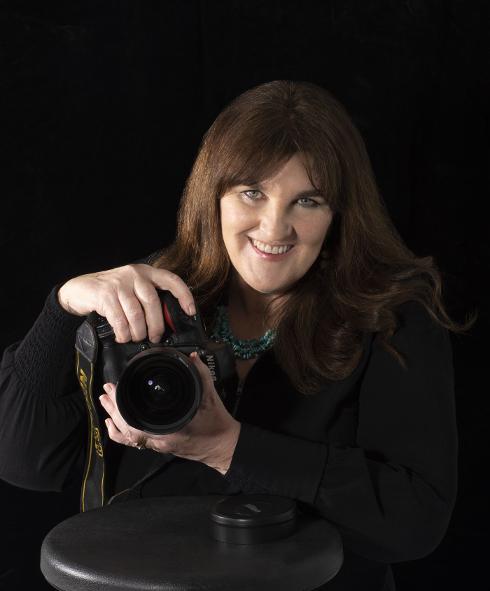
Award-winning international photographer Michelle Chaplow has joined a revolutionary new trend, tipped to be the future of digital art, by minting her first NFT, or non-fungible token, on the Ethereum Blockchain. The British photographer, who has lived in Estepona for 30 years, has always been an early adopter in terms of technology and she is fascinated by the world of NFTs.
NFTs now allow digital photographers to create something original that cannot be duplicated. Ethereum is a type of digital currency that is basically data on the internet created through something called a blockchain, a shared digital ledger.
"The process involves taking a piece of digital art and doing something called minting, which basically means to turn it into an NFT. It's digitised with all the data, similar to a certificate of authentication that you receive when buying a piece art at a gallery," Michelle explains to SUR in English.
However, the buyer does not own the copyright of the artwork: this is retained by the artist. With the old-fashioned analogue photography, it is possible to make unlimited copies, but there is only ever one negative. In digital photography there is no negative, so, as Michelle points out, "the NFT becomes a reversed engineered negative".
"In terms of digital photography this concept moves away from a traditional digital image that can be copied, shared and duplicated endlessly. An NFT of a photograph is, in effect, the negative that existed for traditional analogue prints," the photographer says.
Photography copyright is a huge issue worldwide and laws vary from country to country. Michelle is backing this new technology because she feels that it better protects the artist.
"The really interesting thing about this is that if an artist sells a painting for 500 euros and then becomes super famous, and that picture was later sold for half a million dollars, the artist would not get any portion of that fee. With digital art, the artist has a thing called a smart contract, which entitles them to ten per cent of any future sales. It's registered on the blockchain so it generates royalties when it changes hands the next time," she says.
Michelle, co-founder of the online platform, andalucia.com, will auction her first NFT portrait of world-renowned flamenco dancer Eliza González on 7 May. Over the next year, she will mint one image per month under the newly launched collection Andalucía Auras. Because andalucia.com is celebrating its 25th anniversary this year, she will donate 25 per cent of the proceeds to local charities.
"I am very excited about the project. I've chosen the English Cemetery as my first charity because I love history and the historical aspect of that cemetery absolutely fascinates me," Michelle concludes.
![[]](http://static.vocstatic.com/voc26/latest/assets/images/favicon/surinenglish/apple-touch-icon-57x57.png)