
Traffic
Motorway tolls in Spain to rise again above inflation, another 4% from 1 January
Central government continues compensating for the limit it imposed on motorway concessionaires in 2023, when tariffs were raised by half the CPI due to the economic crisis

Madrid
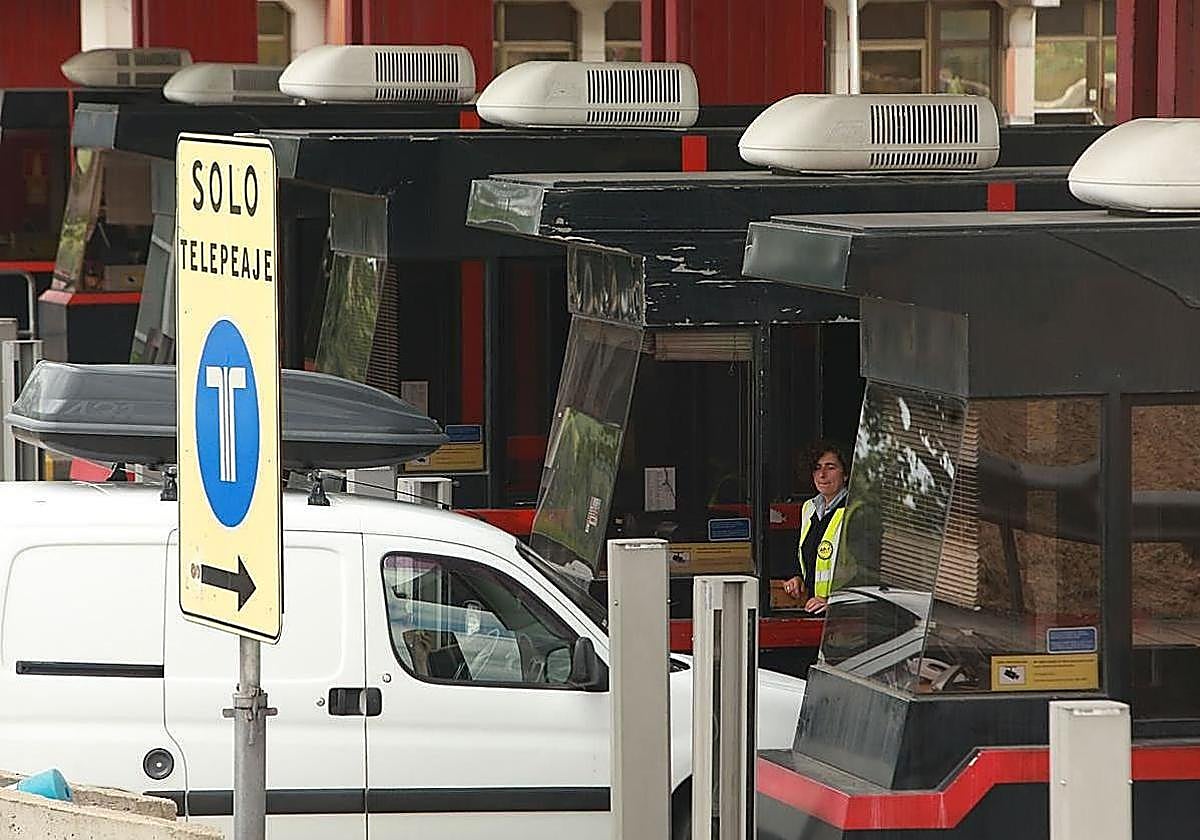
Spanish motorways raise their rates on 1 January. For yet another year, toll roads will rise above inflation despite the fact that the approved formula used to be linked to the CPI until the price crisis in 2023 disrupted this mechanism. The increase for 2026 will be around 4%, after sources in the sector confirmed that the reference index will rise by 2.61% next year. To this must be added the variation in real/predicted traffic applied by the concessionaires and the increase applied by the Ministry of Transport to mitigate the 2023 fare freeze, which in the last two years has been an additional 1%.
With this, the increase will be around 4%, which is the same as last year, when it was between 3.84% and 5.45%, depending on the specific conditions of each concession. The exact increase will be published in the official state gazette before 1 January. According to this information, the increase in the tariffs of the 11 toll motorways (AP-51, AP-61, AP-6, AP-6, AP-53, AP-66, AP-7 Alicante-Cartagena, AP-7 Málaga-Guadiaro, AP-68 and AP-71, AP-9 and AP-46) will be more than 1% above inflation, the index to which the increases used to be linked and which in 2025 will close at 2.7%, according to the latest forecasts by Funcas.
Influx
600,000
drivers
use the country's 11 toll motorways every month
This is because the government has to continue compensating for the 2023 subsidy, when the price crisis triggered inflation. If the government had not limited the increase to 4% by promising deferred compensation to the concessionaires, tariffs would have risen by almost 9%.
The increase will be very similar to that of 2025 but lower than that of 2024, when tariffs were increased by between 5% and 6.65%, the highest increase since the CPI-linked system was approved more than 20 years ago. Until last year, the highest increase had taken place in 2007, when, in line with average inflation in 2006, tolls rose by 4.5% across Spain. The increases in the last few years have been much lower, with a tariff increase of 1.97% in 2022, 0.11% in 2021, 0.84% in 2020 and 1.2% in 2019.
Motorways rescued by the state
Around 600,000 drivers use toll roads every month. The four main concessionaires (Abertis, Itínere, Globalvia and Ausol) invoice around 1.5 billion euros a year for the 1,400 kilometres of private state roads. In 2023, they stated that they would not accept losing half of what they could invoice if the CPI-linked increase was met. Therefore, after intense negotiations, the Ministry of Transport established this compensation over several years, which was still far from what these companies were asking for.
The nine motorways rescued by the state and managed by Seitt (Sociedad Estatal de Infraestructuras de Transporte Terrestre) have a different tariff model and it is the Ministry of Transport that decides on the annual increase. On 1 January this year these roads, which include R-3/R-5, R-2, R-4 in Madrid, as well as the M-12, the AP-7 Alicante ring road, the AP-7 Cartagena-Vera, the AP-36 Ocaña-La Roda and the AP-41 Madrid-Toledo, went up by 5%, but in the last few days of the year the government approved that from 2026 the annual increase in the tariff for these roads will be 2% until 2032 for all vehicles. Likewise, these roads will continue being free to use between midnight and 6am every day of the year.
![[]](http://static.vocstatic.com/voc26/latest/assets/images/favicon/surinenglish/apple-touch-icon-57x57.png)