
Health
Spanish researchers link fatty liver disease to cognitive decline in 'pioneering' study
"Our work demonstrates that this and liver inflammation can directly affect the brain and behaviour," said Malu Martinez-Chantar, who led the overall research

Madrid
Spanish research published in the American Association for the Advancement of Science journal 'Science Advances' reveals that liver disorders such as fatty liver can directly lead to neurological and cognitive dysfunction - such as memory and behavioural changes - and that these can be reversed through treatments directed solely at the liver.
The study has discovered a new liver-brain axis that opens therapeutic avenues in liver disease and cognitive decline, that is, treating the liver to improve cognitive function, thus counteracting the decline in mental abilities such as memory, thinking, language and decision-making.
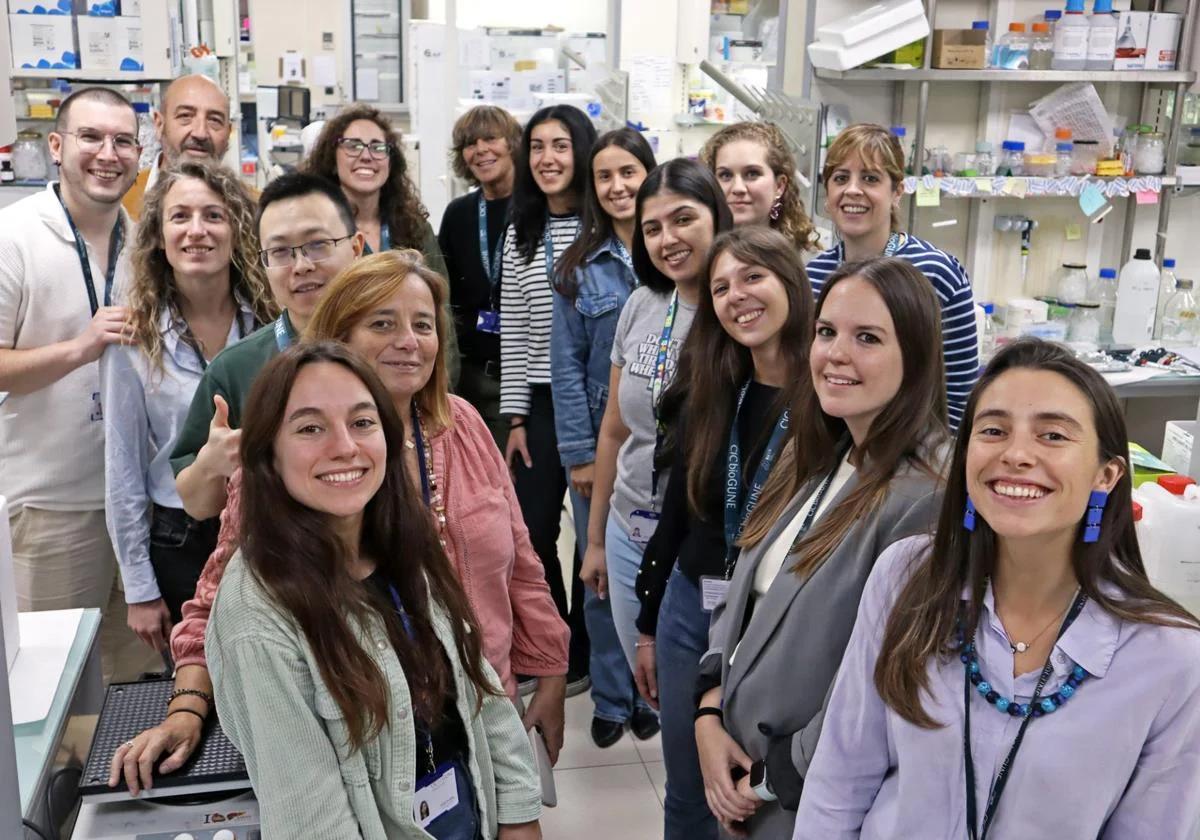
Researchers teamed up from IBiS biomedicine institute of Seville, Seville's Virgen del Rocío university teaching hospital (HUVR) and Cibersam , formed in 2008 as Spain's public research consortium of over 25 research centres for mental health and biomedicine. Further collaborations came from CIC bioGUNE (a bioscience research centre in the Basque Country) and other national research centres. They all contributed to this major finding, which redefines the relationship between the liver and the brain.
The study, led by Malu Martínez-Chantar, principal researcher at the liver diseases laboratory at CIC bioGUNE, and co-led by Teresa Cardoso Delgado (IIS Biobizkaia), together with Celia Martín Cuevas and Ana Carmen Sánchez Hidalgo from the translational psychiatry (Psynal) group at IBiS-HUVR-Cibersam, demonstrates the existence of a new liver-brain axis with highly relevant clinical and therapeutic implications.
"Our work demonstrates that fatty liver and hepatic inflammation can directly affect the brain and behaviour. This opens up a completely new therapeutic avenue: treating the liver to improve cognitive function," explained Martínez-Chantar in a statement published on the University of Seville's website.
A ground-breaking study
The Psynal group, led by Benedicto Crespo-Facorro, professor in the psychiatry department at the University of Seville and head of the mental health unit at HUVR, has played a key role in the neuropsychological and neurobiological characterisation of the brain effects of liver disease, integrating advanced neuroimaging techniques and behavioural models. Meanwhile, the SeLiver (IBiS) team, led by Manuel Romero Gómez, director of the digestive system unit, has contributed to the development of the clinical and experimental model of liver disease.
This "pioneering" study illustrates the value of translational and multidisciplinary research linking psychiatry, neurology and hepatology to advance knowledge of the shared mechanisms between physical and mental illnesses, a key approach driven by the groups involved in this study and beyond.
![[]](http://static.vocstatic.com/voc26/latest/assets/images/favicon/surinenglish/apple-touch-icon-57x57.png)