
Politics
European Commission to study Spain's proposal to end twice-yearly clock changes
Finland and Poland have already expressed their support for the Spanish PM's proposal

Madrid
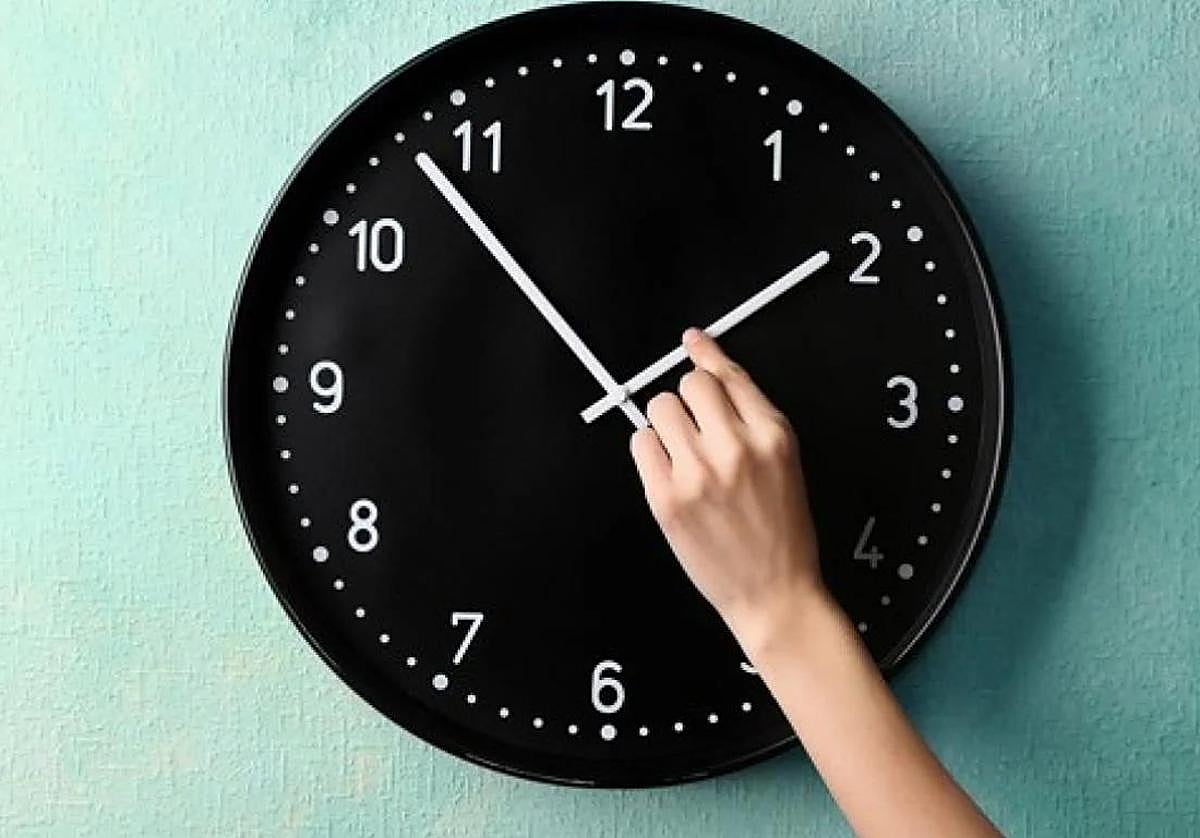
The European Commission has said that it will study Spain's proposal to put an end to the clock changes that take place twice a year. During the meeting of the energy ministers in Luxembourg on Monday, 20 October, energy commissioner Dan Jorgensen said that the EU will soon "carry out an in-depth analysis". Brussels will try to find "a common ground" among the EU-27. In the meantime, the clocks will continue going one hour backwards or forwards, until a decision is reached.
Related story
At the meeting, Spain's deputy representative in Brussels, Oriol Escalas, referred to 44 studies that have proved that there are almost no energy saving benefits to clock changes in today's modern world. "We only save around six euros a year, but the impact on people's health and well-being is enormous. It is an obsolete and unjustified measure," Escalas stated.
Related story

Finland and Poland have expressed their support of Spain's proposal. The Finnish ambassador said that changing the clock "affects people's physical health, especially in countries with longer dark hours such as Finland". The Polish ambassador also backed the initiative, stating that clock changes "deregulate people's lives".
![[]](http://static.vocstatic.com/voc26/latest/assets/images/favicon/surinenglish/apple-touch-icon-57x57.png)