
Traffic law
Pedestrians, cyclists and electric scooter users: traffic offences that can cost you dearly
It is not only motorists on the roads in Spain who can be fined, although few are aware of this
N. S.
Madrid
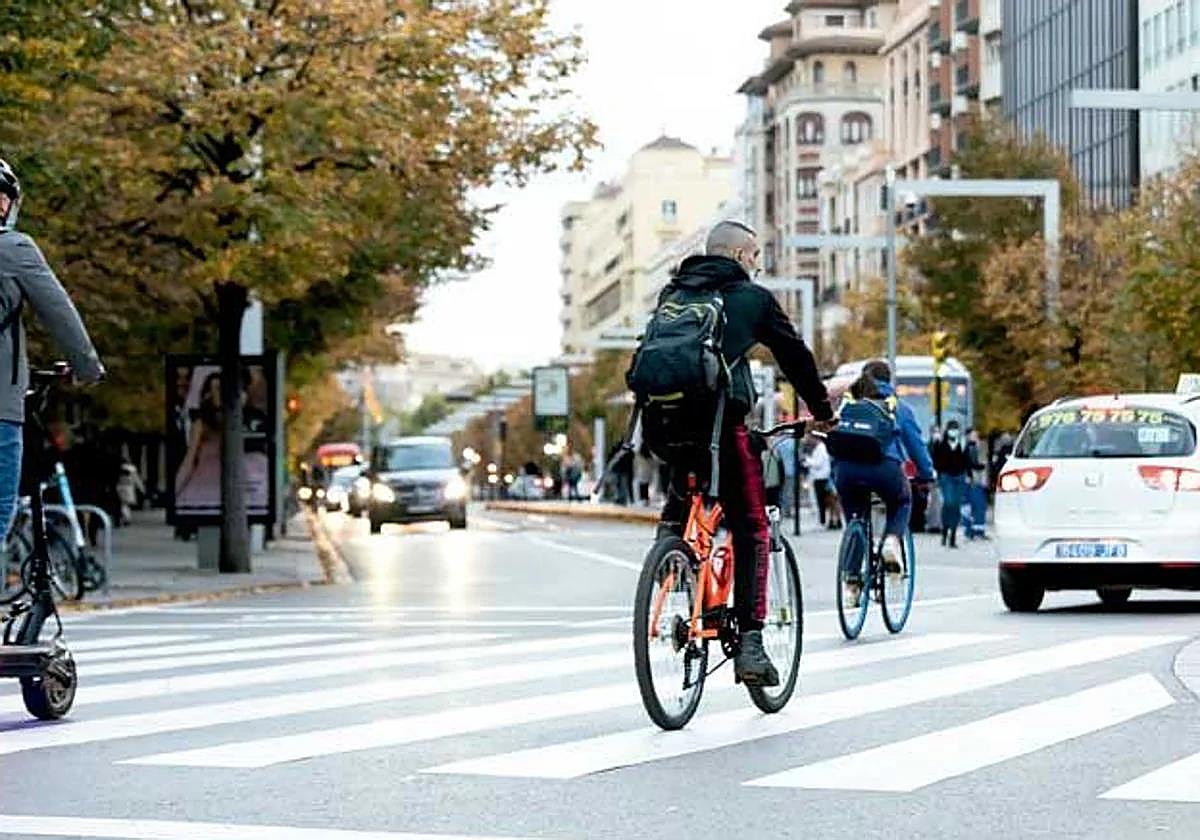
It is not only drivers who can be fined for committing traffic offences in Spain, although many people are not aware of it. Pedestrians, cyclists and electric scooter users must also respect certain rules and failure to comply with them can result in significant financial penalties.
First and foremost, pedestrians are the most vulnerable participants in the traffic environment, but this does not exempt them from responsibility. They can be fined up to 100 euros if they cross at a red light or outside authorised crossings. Such behaviours not only put the pedestrian's own life at risk, but can also lead to a serious accident involving other people and more vehicles.
The fine for walking on motorways can be up to 200 euros. Refusing to take a breathalyser test after an accident can lead to a penalty of up to 1,000 euros.
Cycling requires compliance with the traffic rules that apply to motor vehicles. Some of the most common offences are running a red light or a stop sign: the fine is around 200 euros. Not wearing a helmet when it is compulsory (for cyclists under the age of 16 in the city and for everybody on interurban roads): 200 euros. Cycling at night without lights or reflective elements: 200 euros. Driving with headphones or using a mobile phone: up to 200 euros.
Electric scooters are subject to specific regulations. Driving on pavements or in pedestrian areas: 200 euros. Driving under the influence of alcohol or drugs: between 500 and 1,000 euros, depending on the level of alcohol detected. Using a mobile phone or wearing headphones while driving: 200 euros. Not having adequate lights or reflective elements at night: 200 euros. Not wearing a helmet when required by municipal regulations: 200 euros.
In addition, people who get behind the wheel of a vehicle without having a driving licence commit not only an administrative but also a criminal offence against road safety.
Fines can be appealed
Speeding is one of the most common traffic offences in Spain, with more than 10,000 reports per day and a total of more than 3.5 million fines imposed by the traffic authorities in 2024.
According to legal experts, the main reasons for fine annulments are failures in applying radar error margins, deficiencies in testing and formal errors in case files.
Many other traffic fines are also subject to appeal. They end up being overturned in a significant number of cases. Drivers are often unaware of the conditions that can invalidate a fine, which leads to penalties that could have been avoided.
Despite technological sophistication, speed enforcement systems are not infallible. The most frequent reason for annulment in court is the incorrect application of the radar's margin of error - a legal requirement that is often not complied with. According to data from the last five years, 43% of rulings in favour of drivers are due to errors in device calibration.
In addition to technical problems, failures in the processing of the sanctioning file are another important factor. According to Spanish law, an administrative act may be null and void if it does not comply with the essential formal requirements. "We often come across rulings with no reasoning, poorly managed notifications or procedures flawed from the outset. In all these cases, an appeal has a good chance of succeeding," says lawyer Víctor Martín.
![[]](http://static.vocstatic.com/voc26/latest/assets/images/favicon/surinenglish/apple-touch-icon-57x57.png)