
Benefits
Relatives of palliative care patients in Spain will be able to take consecutive leaves of absence to support them for longer
The process to bring the new paid leave policies into effect is being speeded up

Madrid
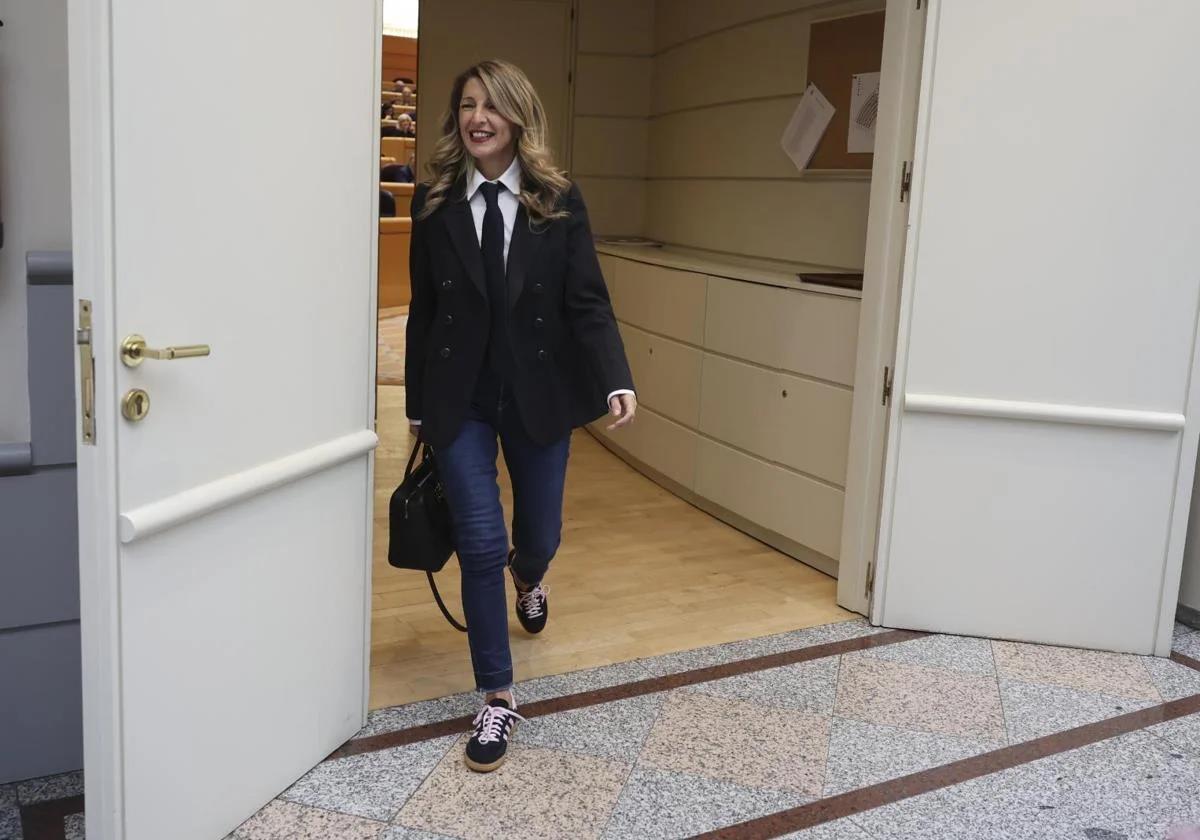
Spain's second deputy PM and Minister for Employment, Yolanda Díaz, wants to revolutionise the country's leave of absence system and she wants it done in one fell swoop. This minister has set her sights on giving another turn of the screw to paid absences for workers and, after recently approving - at the initiative of her party, Sumar - a historic extension of parental leave, she is speeding things up to push ahead with her other goal in this area: to quintuple the current days of leave for bereavement and extend them to ten days, as well as create a new 15-day leave to care for family members in palliative care and grant another paid day off to accompany a loved one - who can be a relative or even a friend - during the procedures for voluntary euthanasia.
So, despite the difficult political climate, which complicates the passage of any legislation in Congress, especially those lacking the backing of social dialogue - as in this case, which employers vehemently reject - Díaz is determined to push it through as soon as possible, according to sources involved in the negotiations who spoke to SUR. Furthermore, the Secretary of State for Employment, Joaquín Pérez Rey, intended to finalise this Wednesday the draft decree law that was presented just two weeks ago. This was done much to the surprise of social partners (employers and trade unions), who were not even consulted, although negotiations are not yet complete.
The employers' association reiterated its opposition to the ten-day bereavement leave, but the unions will make no objections, as they welcome any improvement to workers' rights, although they did present some technical suggestions for improvement and were critical of the way in which the measure is being implemented. "Díaz is acting unilaterally and doing things at the drop of a hat", they complained. The leader of the CC OO trade union, Unai Sordo, criticised "the need for constant announcements" and warned that they will not "stick" to this timeline.
The new 15-day leave of absence to care for a relative in need of palliative care will - assuming that it comes into being - allow relatives within the same family to take time off from work so that months and months - depending on the number of working family members - can be added together to continue caring for the patient. This leave can only be requested once per person, but is not exclusive to a single member of the family. Therefore, it can be used by different relatives up to the second degree of consanguinity (blood relations). In other words, the spouse or common-law partner, parents, children, siblings, grandparents and grandchildren (if any) have the right to benefit from this leave.
Five extra days for hospitalisation
Therefore, each family member could dedicate three working weeks (15 workdays, not calendar days) to care for an end-of-life relative. If, in addition to the 15 working days granted to a partner, another 15 are granted to a sibling, then another 30 if you have two children in work, plus 30 more if you have parents of working age and grandchildren or grandparents who also work, then the period of care is considerably extended. Furthermore, the new extended leave of five days for hospitalisation or surgery can also be added, meaning that the total leave can reach several months to care for a loved one in their final days.
Díaz's latest jab at Garamendi: "He's been having a rough time lately"
The war between second deputy PM, Yolanda Díaz, and the head of the CEOE (Spain's confederation of business and industry), Antonio Garamendi, continues unabated. This Wednesday, she took advantage of an interview on the TV programme 'Espejo Público' to once again criticise the businessman's statements against the new proposed leaves of absence. Garamendi had ironically remarked that he needed a "break" from Diaz's "whimsical moves", stating that they did not sit well with the employers' association. "I'm very fond of him but I think he's been having a rough time lately and, in fact, I know that he's been told to stop by the employers' association. His statements are not befitting of a president with the employers' association", the minister declared.
![[]](http://static.vocstatic.com/voc26/latest/assets/images/favicon/surinenglish/apple-touch-icon-57x57.png)