
Emergency services
Nightlife tourism on Spanish holiday island overwhelms Ibiza's ambulances
Late-night calls from clubs for emergencies related to drug and alcohol abuse saturate the service - leaving local residents unattended
Alin Blanco
Eleven years have passed, but Ibiza still remembers the case of the young Italian who, after a night out, lost an arm in an accident when he was travelling in the back seat of a car with half his body sticking out of the window. The injured man, in a state of drunkenness, did not realise what had happened until the police stopped the vehicle, which had carried on for a further four kilometres after hitting a fence.
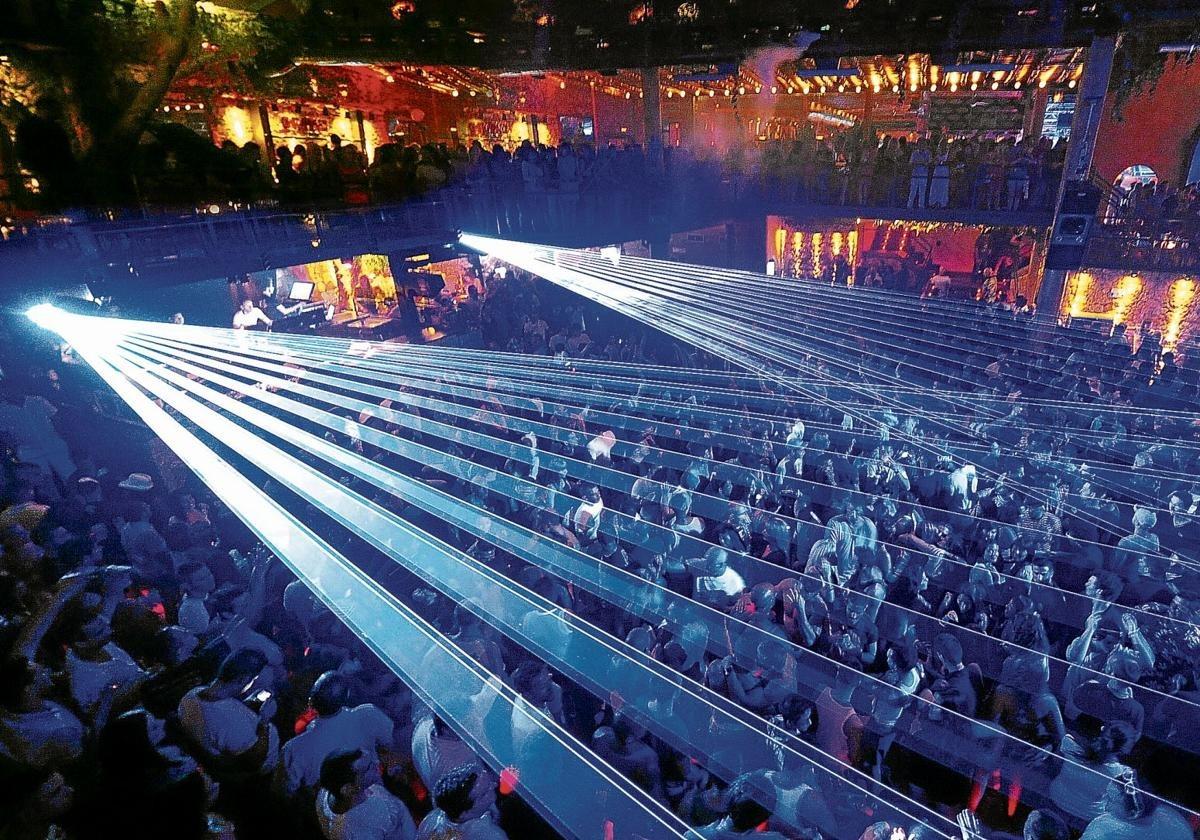
Although striking, it is just one of the many episodes that emergency teams on the island face on a daily basis. The challenge is posed by the large nightlife hubs, which threaten to overwhelm the ambulance service due to the number of incidents they record during high season. These giant nightclubs bring together thousands of tourists - some with a capacity of between 5,000 and 10,000 people - and generate emergency situations that must be dealt with by the already collapsed public health network.
The jewel of the Mediterranean welcomed more than 3.6 million tourists last year, many of them attracted to Ibiza for its renowned nightlife, a sector that continues to grow. Its extensive network of clubs such as Es Paradís, Edén, Lío, Ibiza Rocks, Amnesia, Chinois, Destino, Ushuaïa and Hï attract thousands of people every season. This year [UNVRS] has been added to the list: a 'hyperclub' with a capacity for nearly 10,000 people - the largest in the world. Rounding off Ibiza's nightlife scene are its numerous beach clubs scattered along the coastline, such as Blue Marlin, Nikki Beach, Nassau, O Beach and Playa Soleil, among others.
The rise of these huge entertainment venues has a direct impact on the public emergency services. According to the USAE, the urgent transfers requested from clubs are overloading the resources intended for the island's 160,000 permanent residents. Workers at the public company in charge of ambulances, GSAIB, warn that emergency calls related to club-goers have become so frequent that the service cannot cope with the demand.
One in three ambulances are called by clubs, according to USAE data. "Sometimes we go to the same club three or four times in the same night," said José Manuel Maroto, the union's representative. "There are places where we have to go to pick up a drunk person every day," he added. The requests come in the early hours of the morning and are usually related to excessive alcohol intake and drug use.
Trendy substances
Clubbing in Ibiza is not cheap. Entrance fees can reach 100 euros and drinks can cost up to 25 euros, which, according to Maroto, encourages the use of experimental drugs, because they are "a cheaper alternative". The island's lively nightlife and relaxed image have for years been linked to the use of narcotics and, despite being illegal, "all kinds of drugs are consumed," which has aggravated the crisis. Every year, before the start of summer, health workers try to predict what the "fashionable" substances of the season will be, in order to be prepared with appropriate treatments.
Drinks at 25 euros
The high price of alcohol encourages the use of drugs as the "cheaper alternative"
Regulations require nightclubs to have medical staff, such as nurses and emergency technicians. However, according to USAE, the same requirement does not apply to the presence of private ambulances. The current requirements mean that, in the event of an emergency, transfers are left to the public system, which is already stretched to the limit.
Clubs comply with the current regulations, but the union criticises these requirements: they are not proportionate to the risk. An example is sporting events, which are generally attended by a healthy and physically fit audience. In these cases, and even for gatherings of just 300 people, the presence of an ambulance with advanced life support is required. On the other hand, in clubs with thousands of people, where the consumption of alcohol and drugs is "very high" - only the presence of a medical team is required. Of all the nightclubs that open their doors on the island, DC10 is the only one that has its own service for emergency transfers.
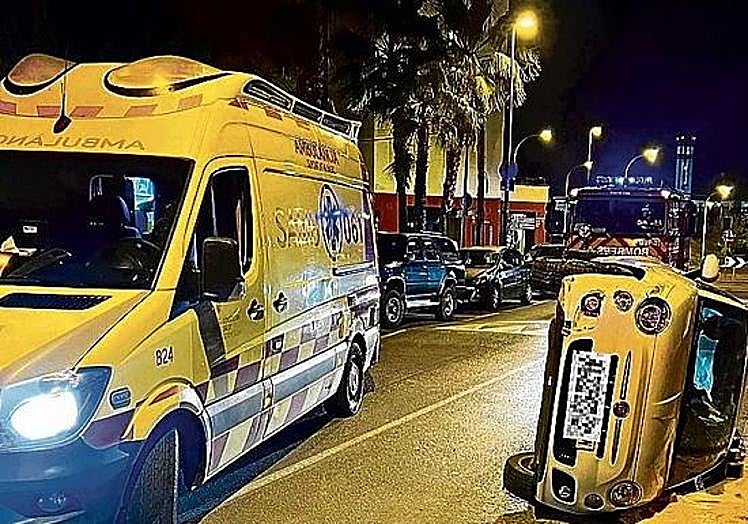
"It is unfair that nightclubs, which earn millions of euros a year, are passing their problem onto the public health system," said Maroto. "In the end, the residents pay the bill with their taxes," he explained. It's the residents themselves who suffer the consequences of the hustle and bustle of transfers generated by nightlife. Because, the professionals point out, the calls they receive from the clubs are usually "priority alerts" as the patient is often unconscious and there is a risk that he or she could suffer a cardiac arrest or even die. This is why the assistance requested by the island's residents is often put on the back burner and only attended to after a long wait.
This story is corroborated by island residents, who complain that the emergency services fail to respond to their calls. Maroto didn't try to hide this, even admitting that, on occasions, "we fail to attend to an elderly man who has fallen at home and suffers a possible hip fracture". "We delay it in order to attend to the most urgent call first, which often comes from the clubs."
Insufficient regulation
The law requires clubs to have a medical team on site, but not to have a private ambulance
Dealing with emergency calls made by these huge clubs is not always easy. According to the workers, they are often particularly complicated situations due to the seriousness of the patient's state, but also because of the environment of drug abuse in which they occur. "On many occasions we have to immobilise the patients as a precaution. And endure aggression and very dangerous situations," the doctors said.
Although it has intensified in recent years, the precariousness of the emergency service goes back a long way. For years unions have been reporting the poor working conditions that paramedics have to face. There are very few ambulances and their lack of maintenance worsens the problem. "Many have broken air conditioning and we are going to stop using them, because there is no shade to park them in and the temperature is unbearable. You can't work in them and you can't see to patients in them." Two vehicles have already broken down, "and there are no backups".
![[]](http://static.vocstatic.com/voc26/latest/assets/images/favicon/surinenglish/apple-touch-icon-57x57.png)